THE PEEKAWILD ANIMAL GUIDE
A world of little
discoveries.
Meet the 110 kinds of animals in Peekawild, a free animal discovery game for young children and families. Explore their 24 in-game habitats, from the farm to the open ocean.
In the game, drag to explore and tap an animal to see its picture, hear its name, and read a short habitat fact.
A name to discover in 6 languages
Animal names are narrated in English, Cantonese, Mandarin, French, Japanese, and Korean. Choose a language inside the game. This guide is in English.
Farm
People care for farm animals and grow plants for food.
Habitat fact reference: USDA National Agricultural Library
-
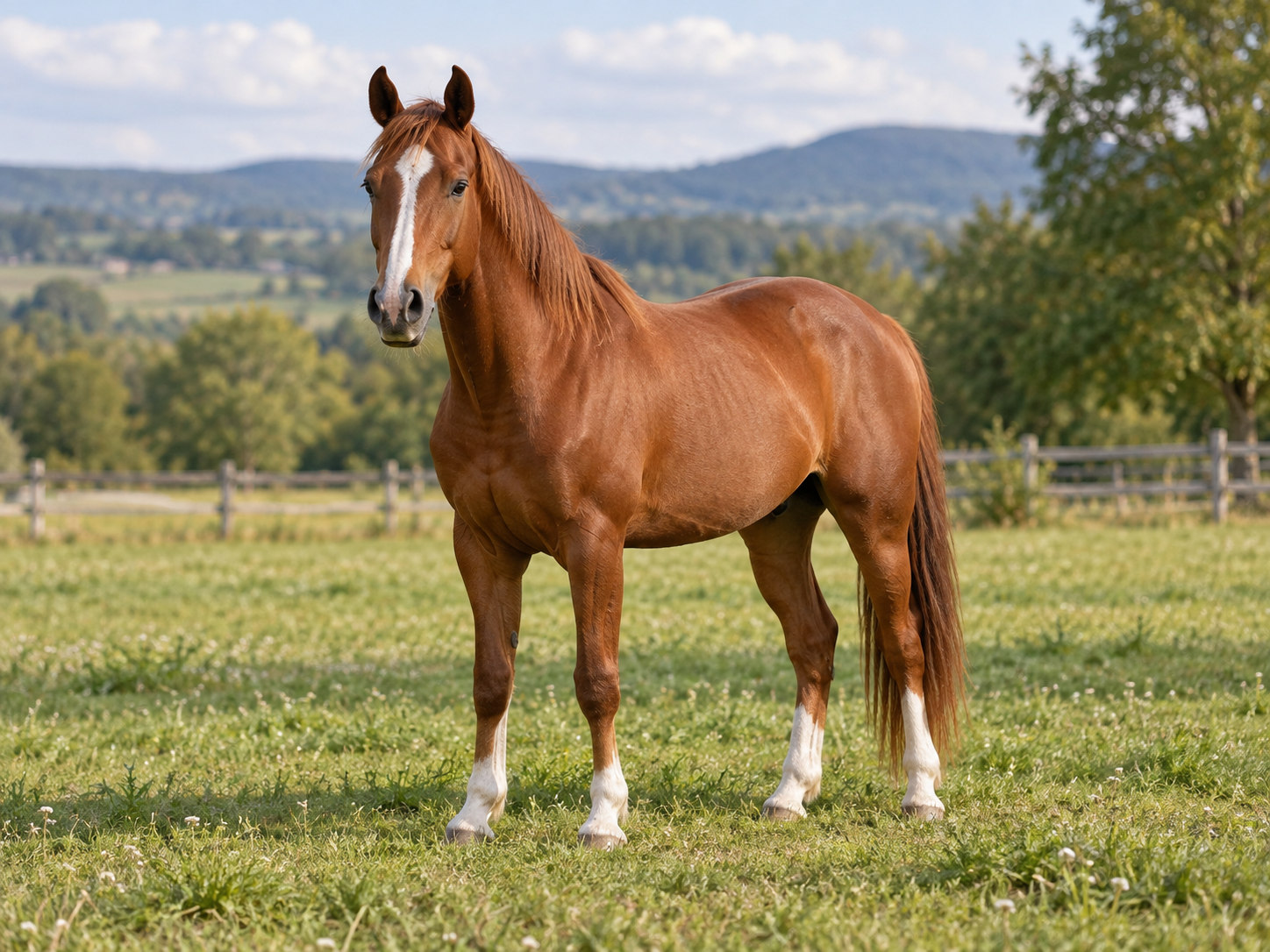
Horse
-
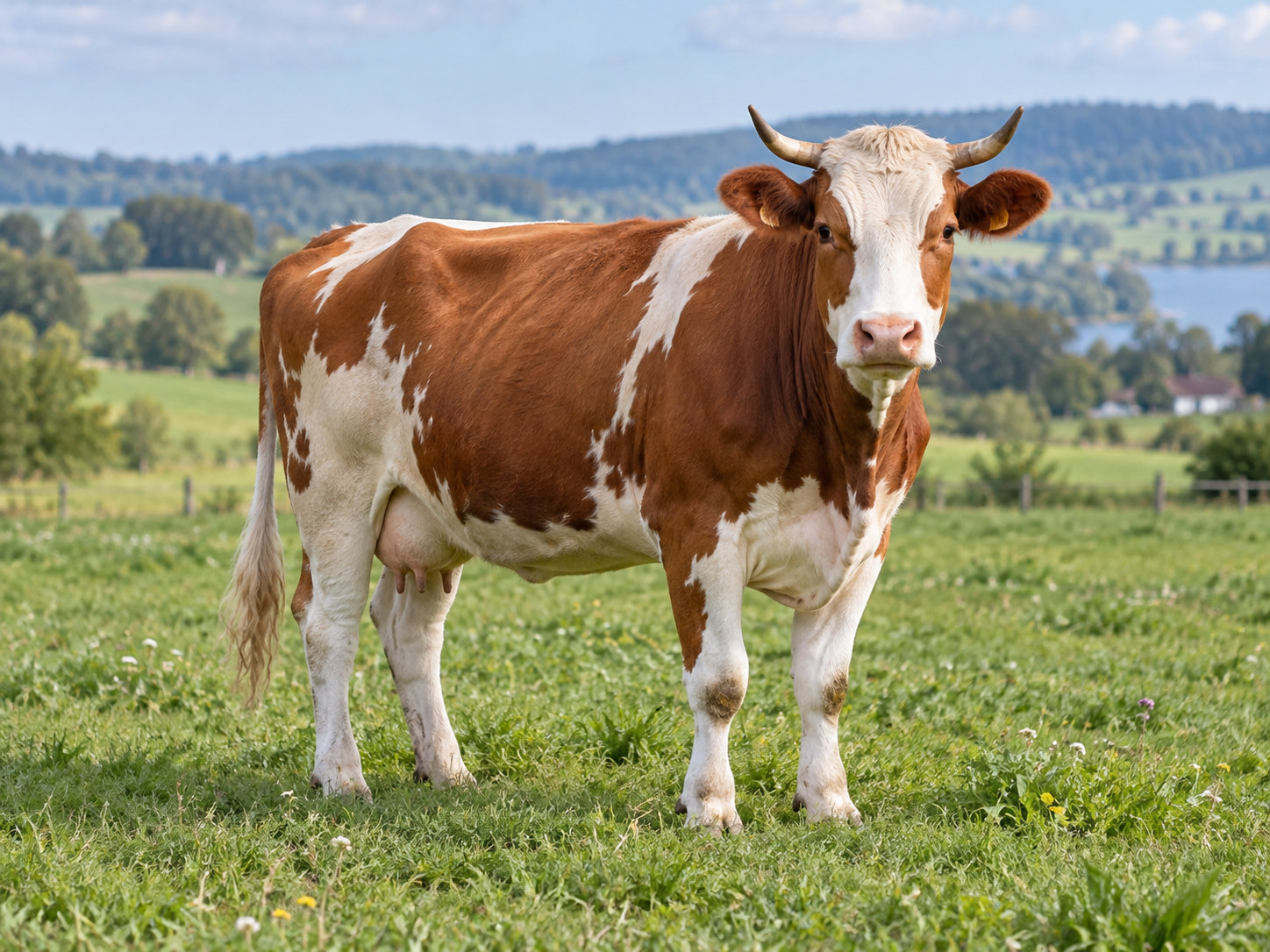
Cow
-
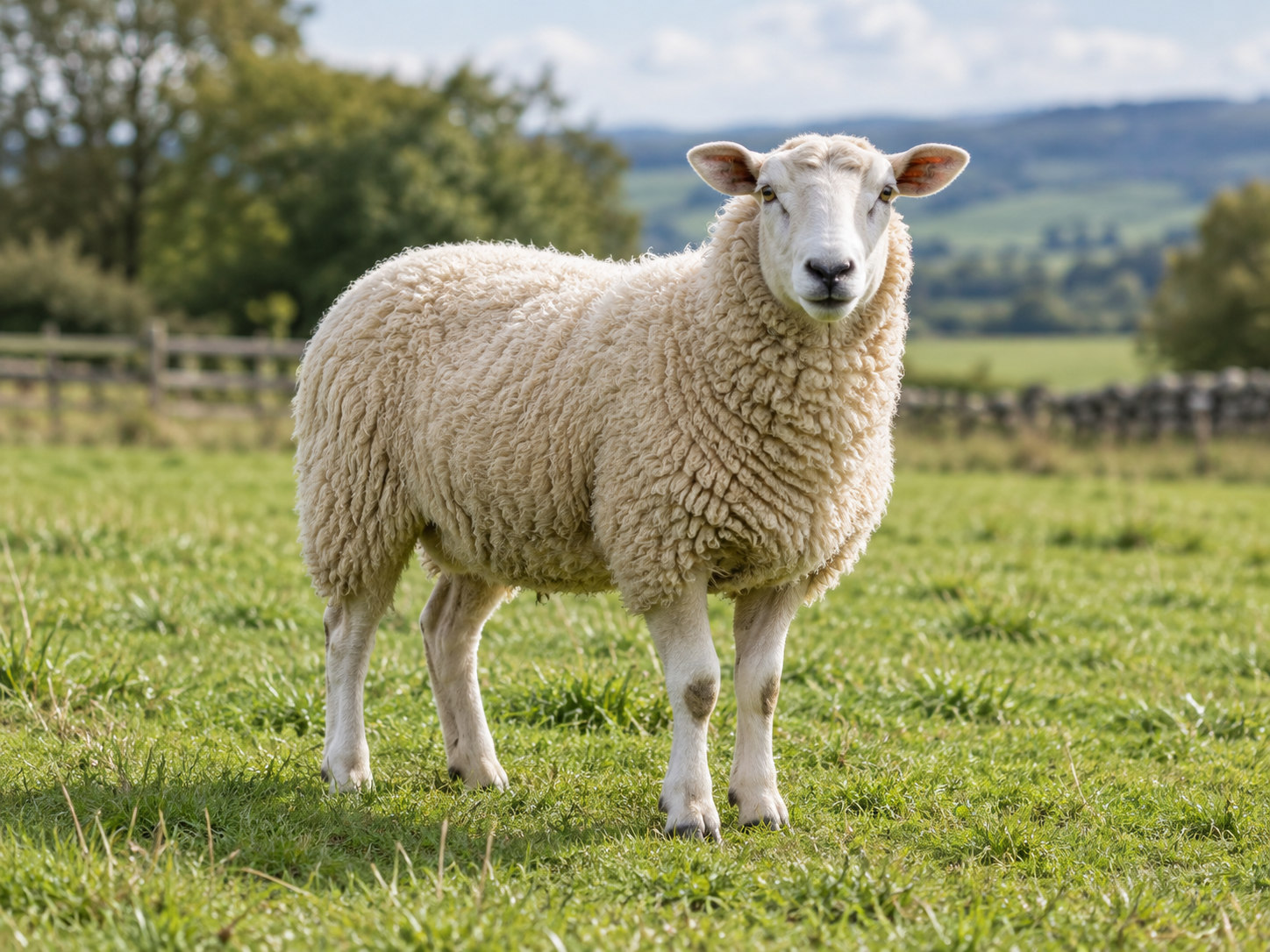
Sheep
-
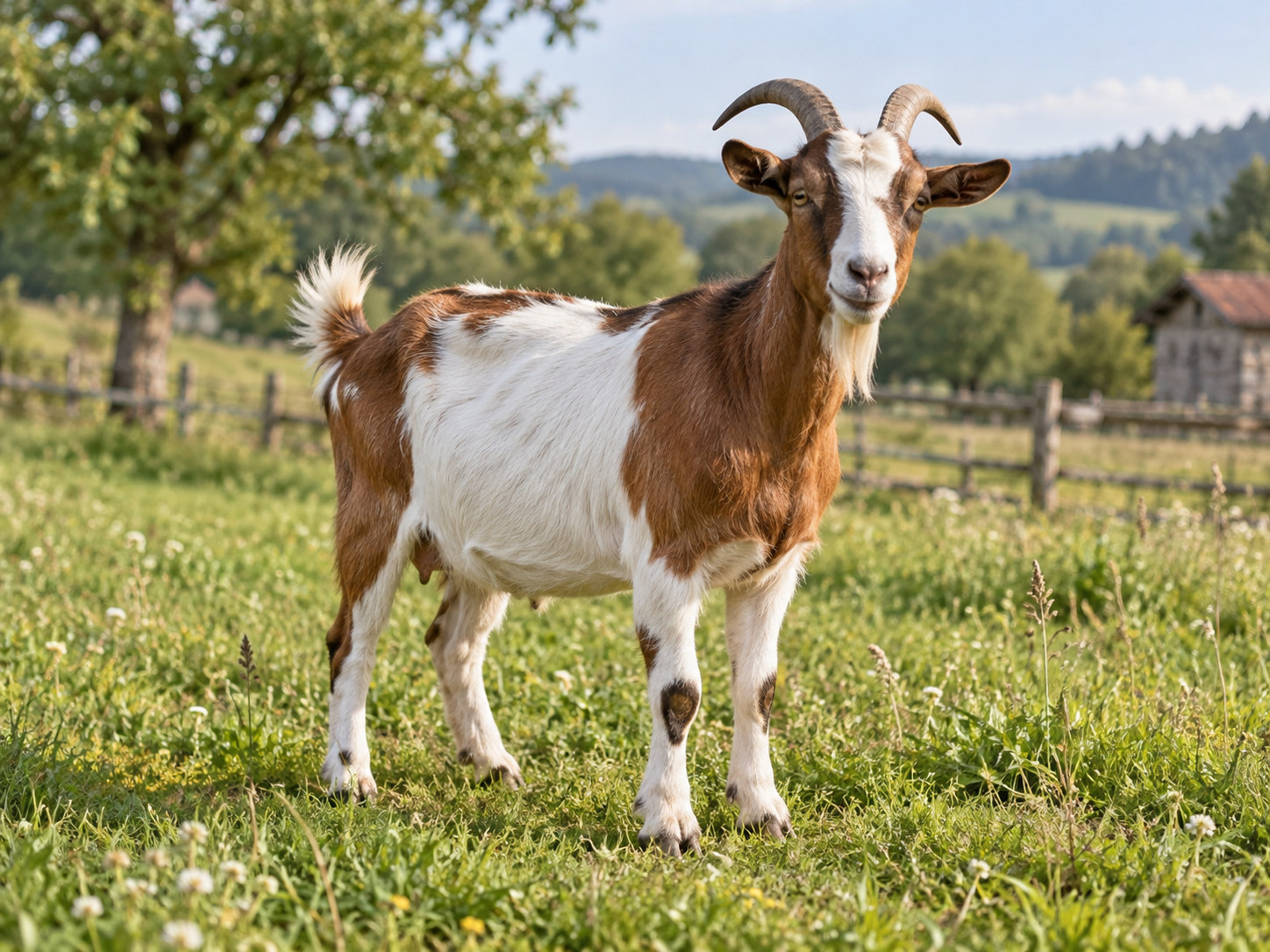
Goat
-
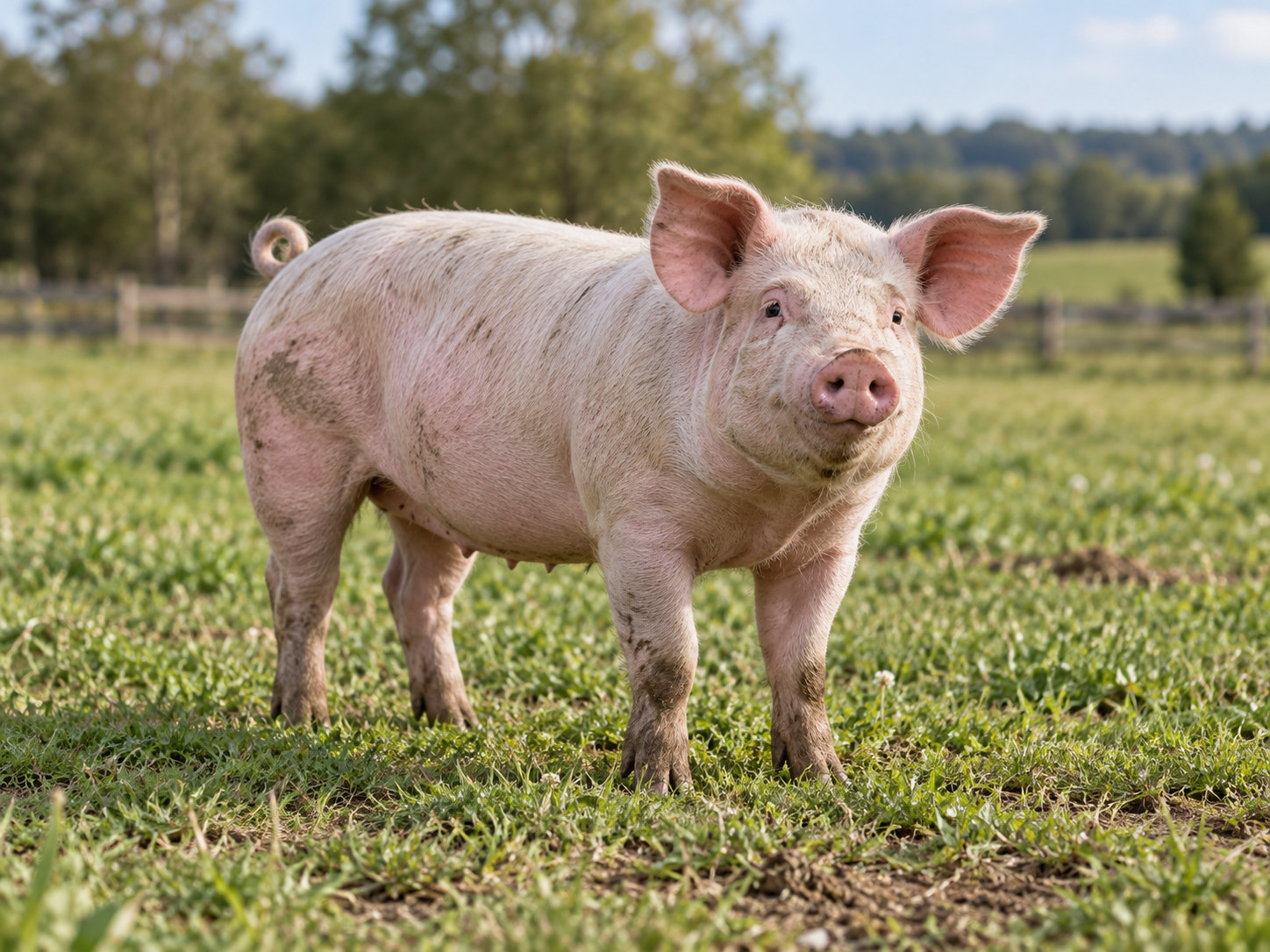
Pig
-
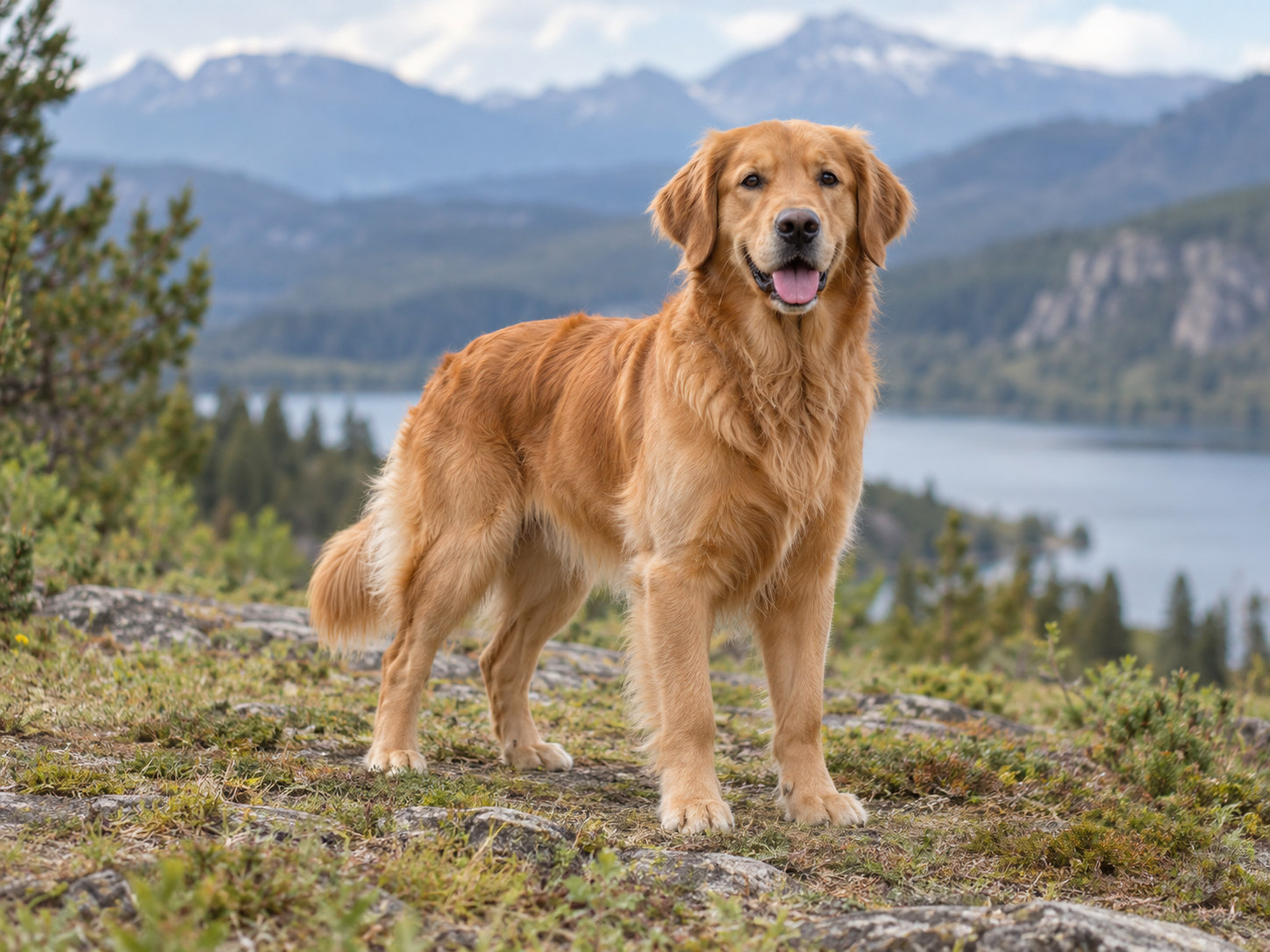
Dog
-
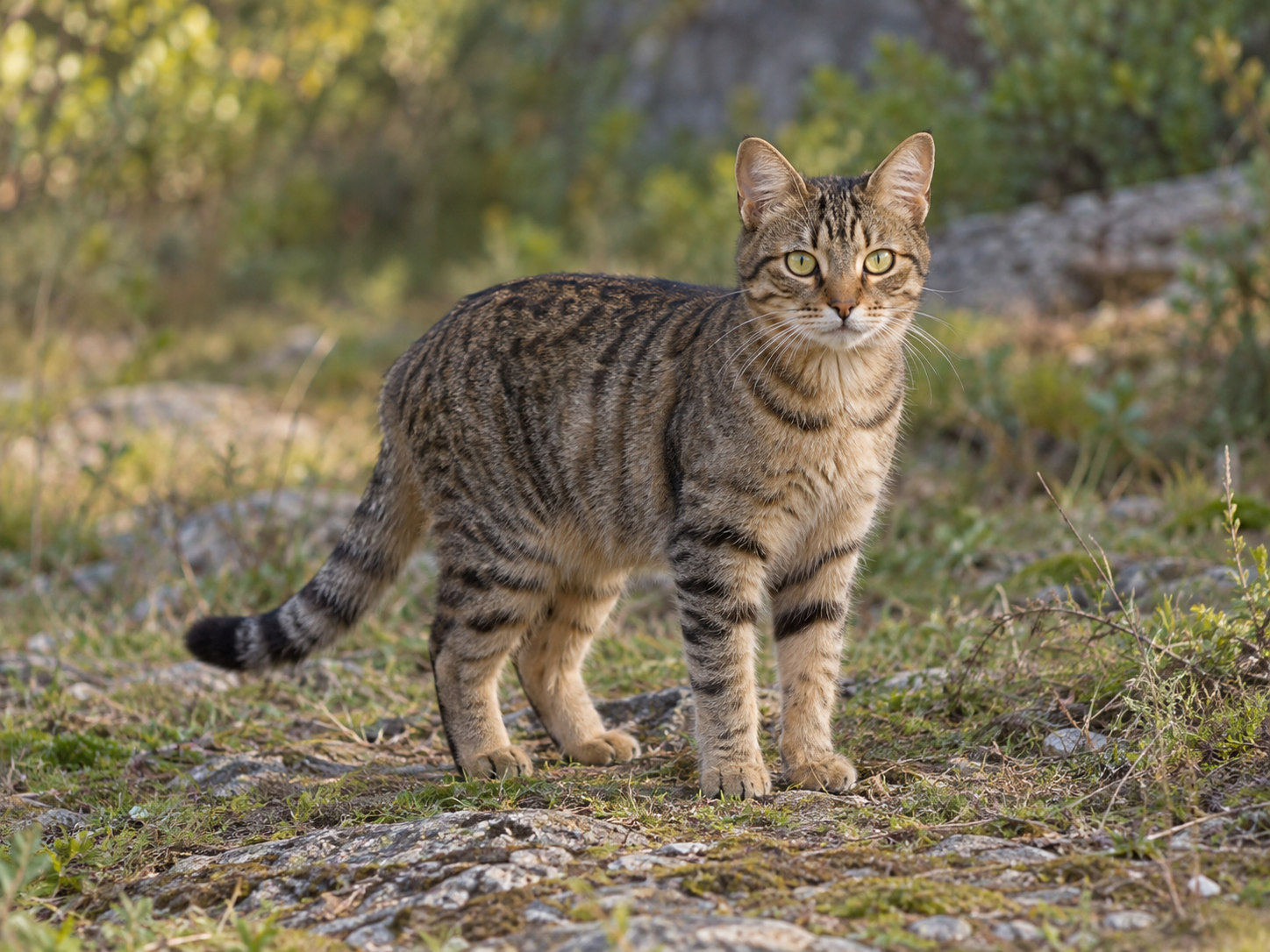
Cat
-
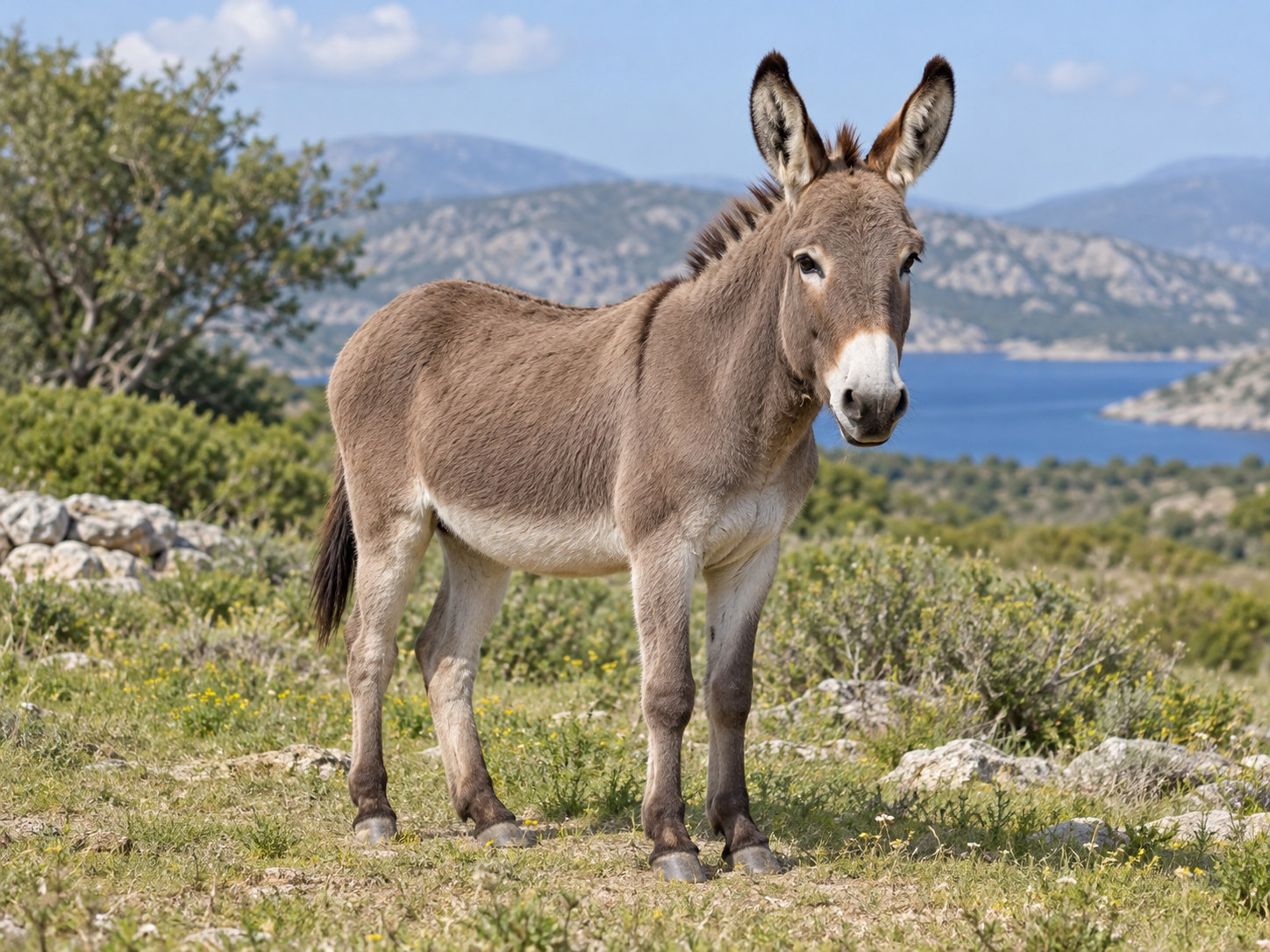
Donkey
-
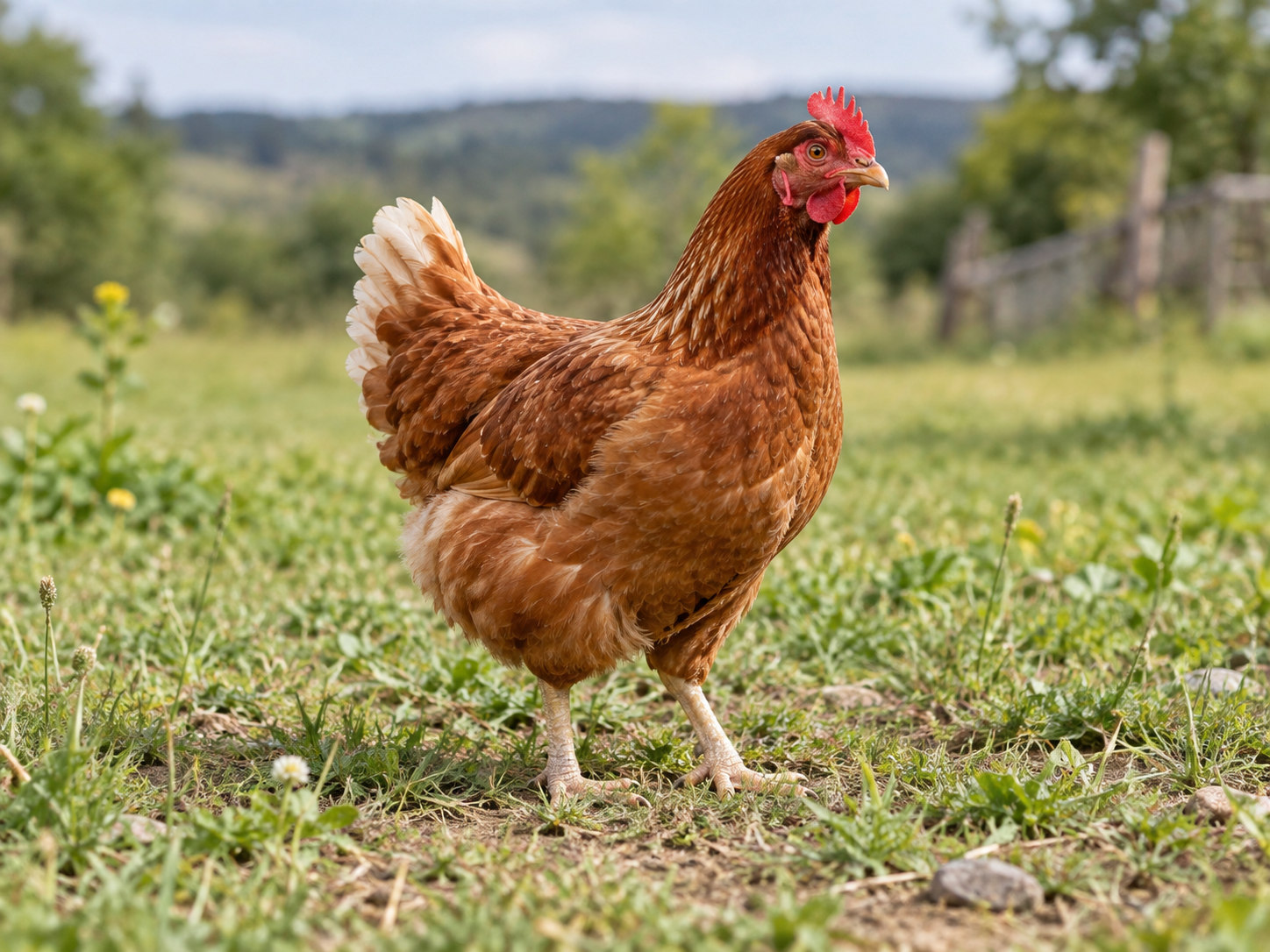
Chicken
-
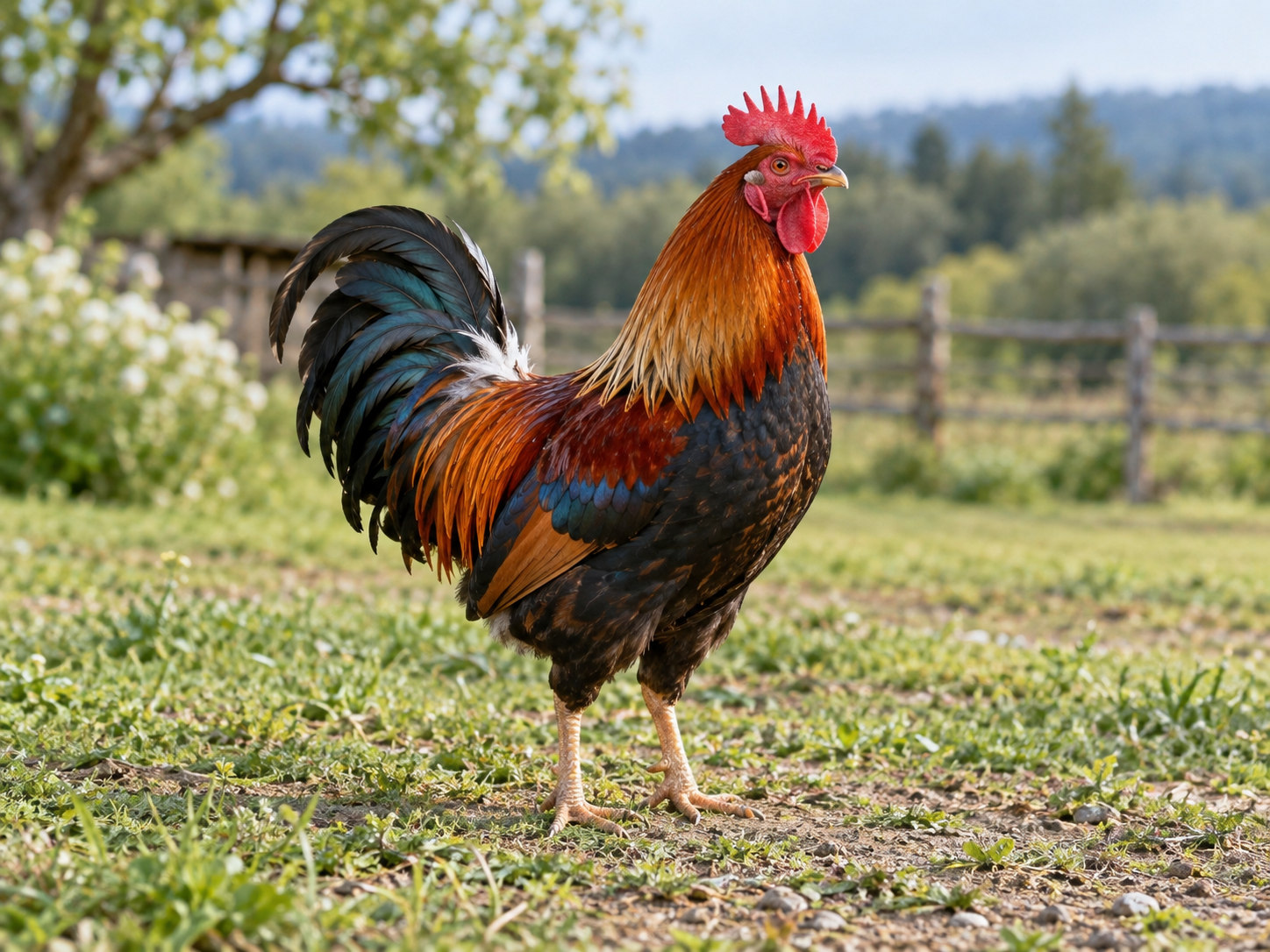
Rooster
-
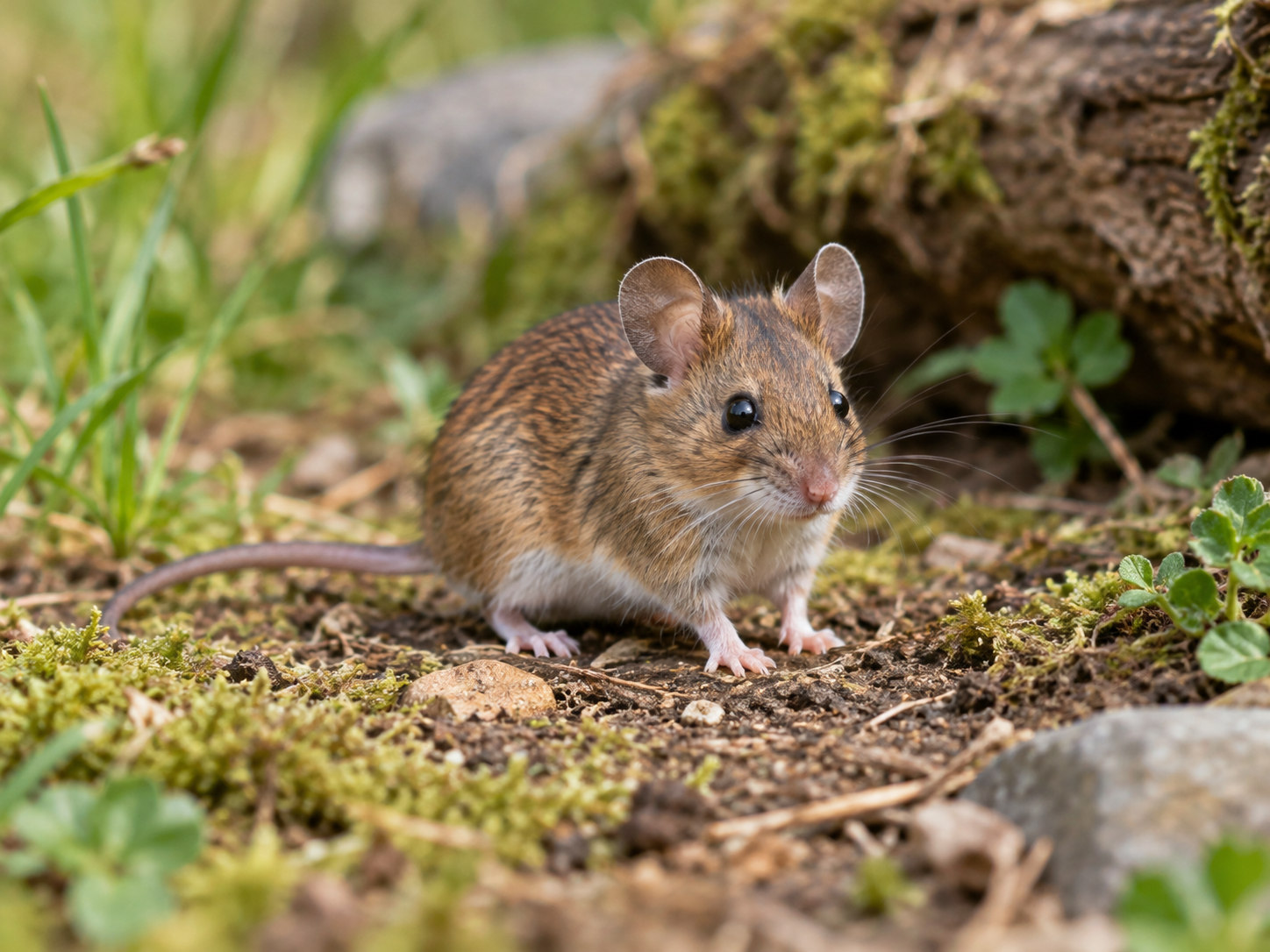
Mouse
-
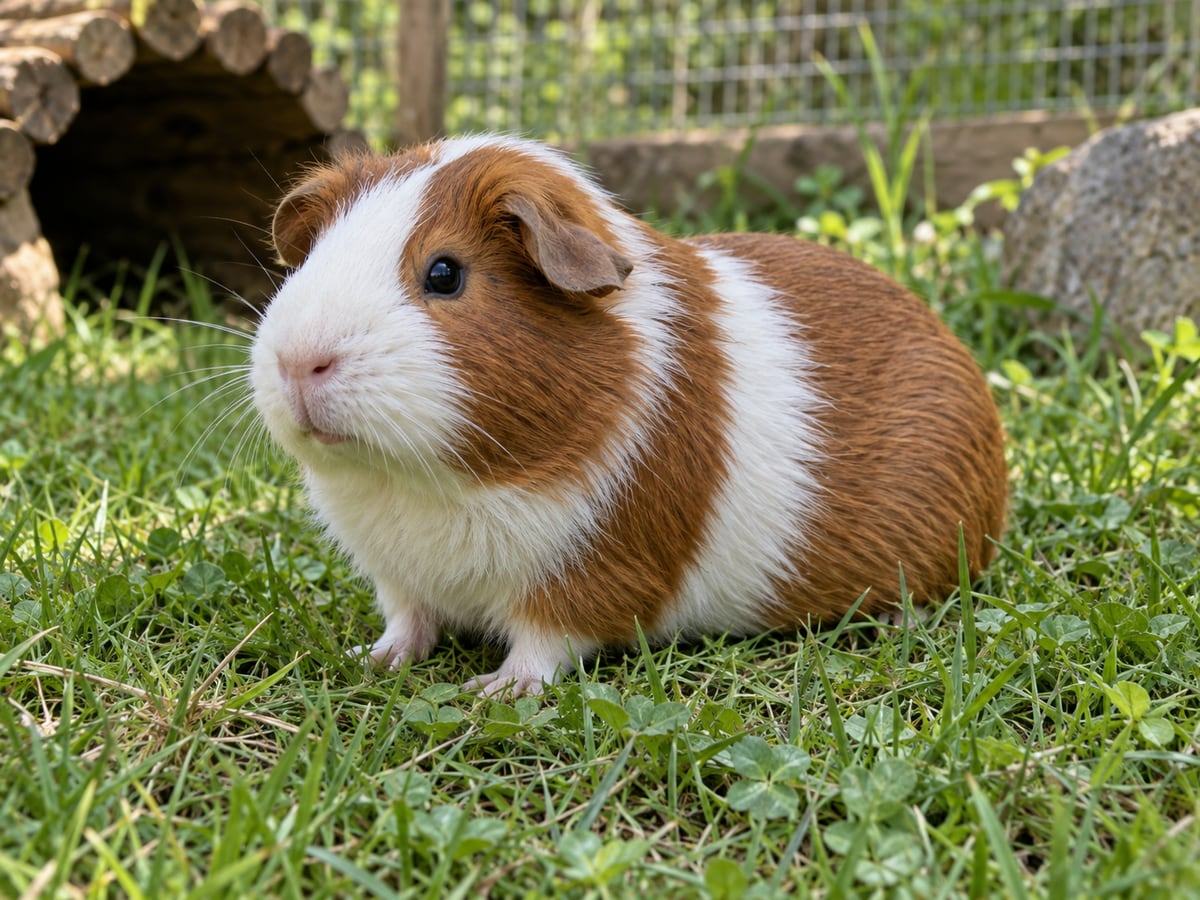
Guinea pig
Field
Meadow flowers feed visiting bees and butterflies.
Habitat fact reference: National Park Service
-
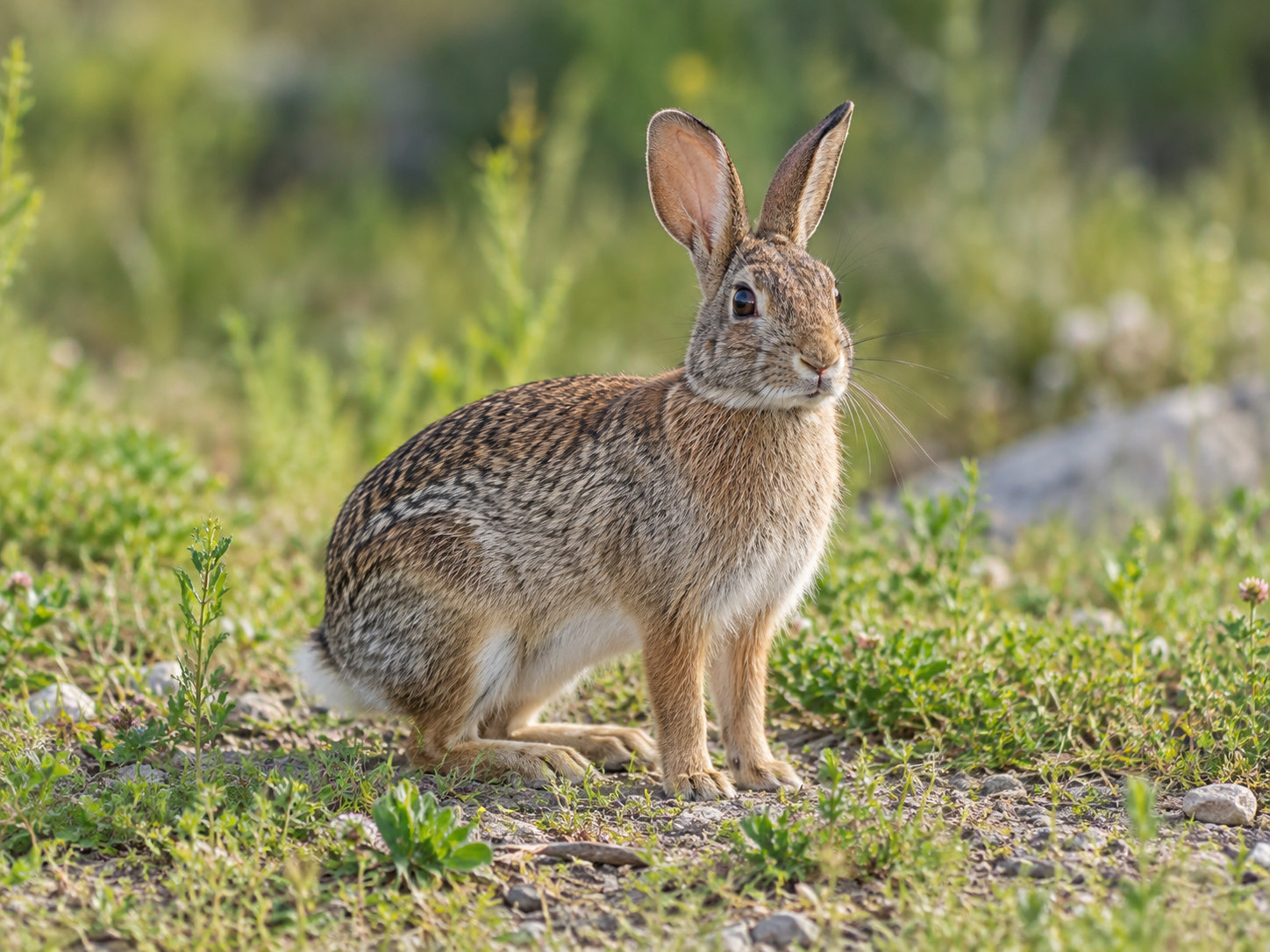
Rabbit
-
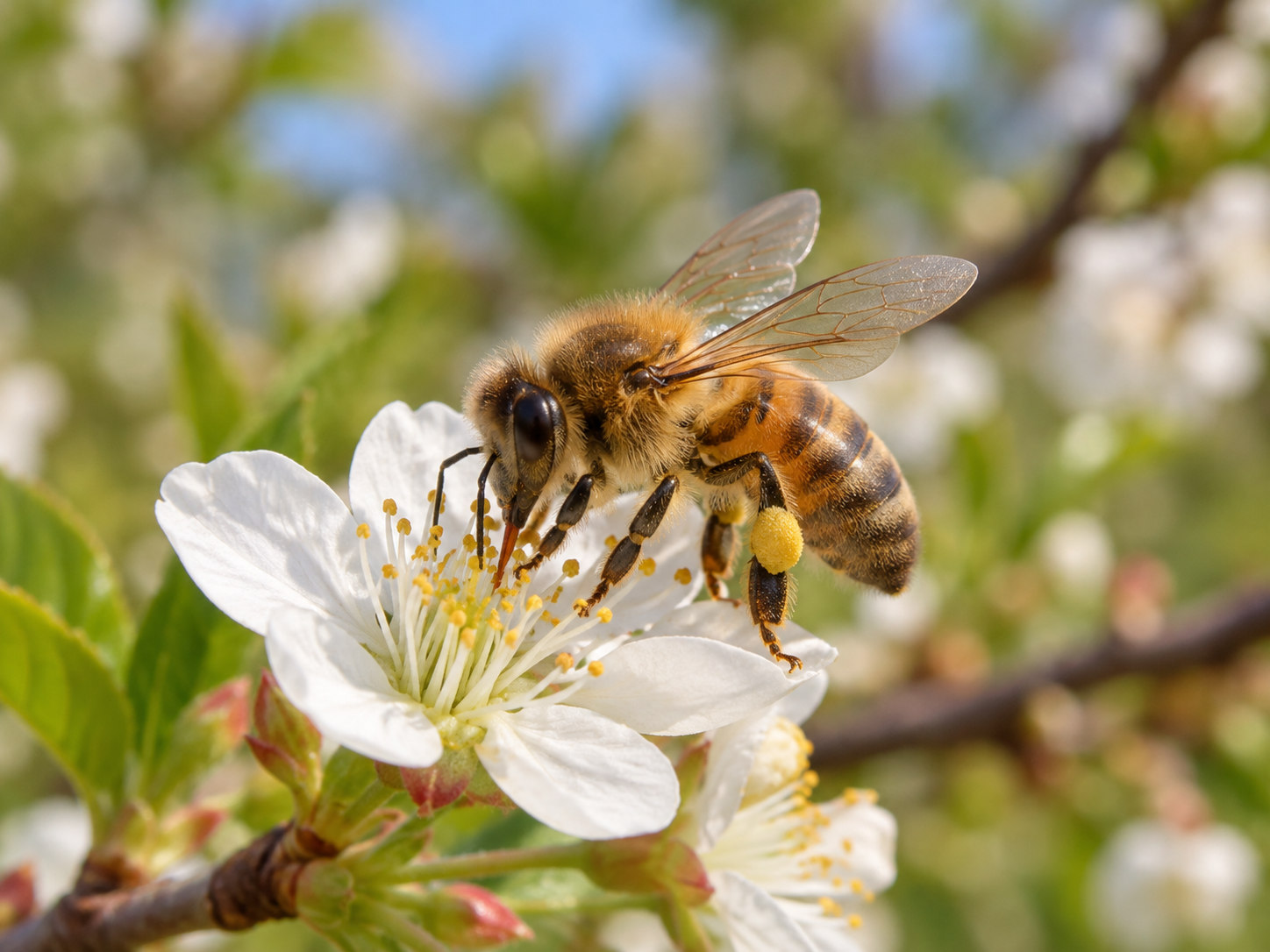
Bee
-
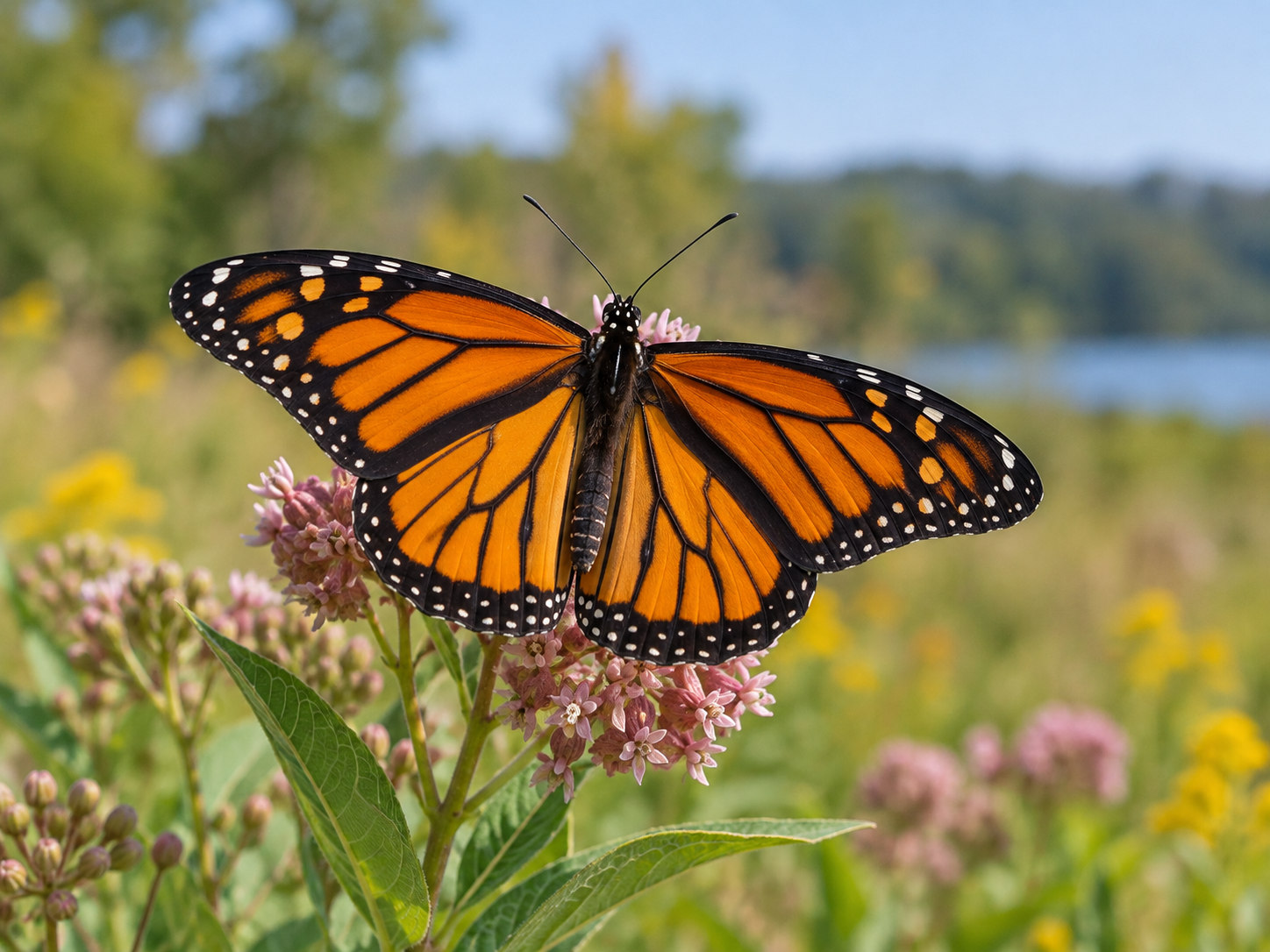
Butterfly
-
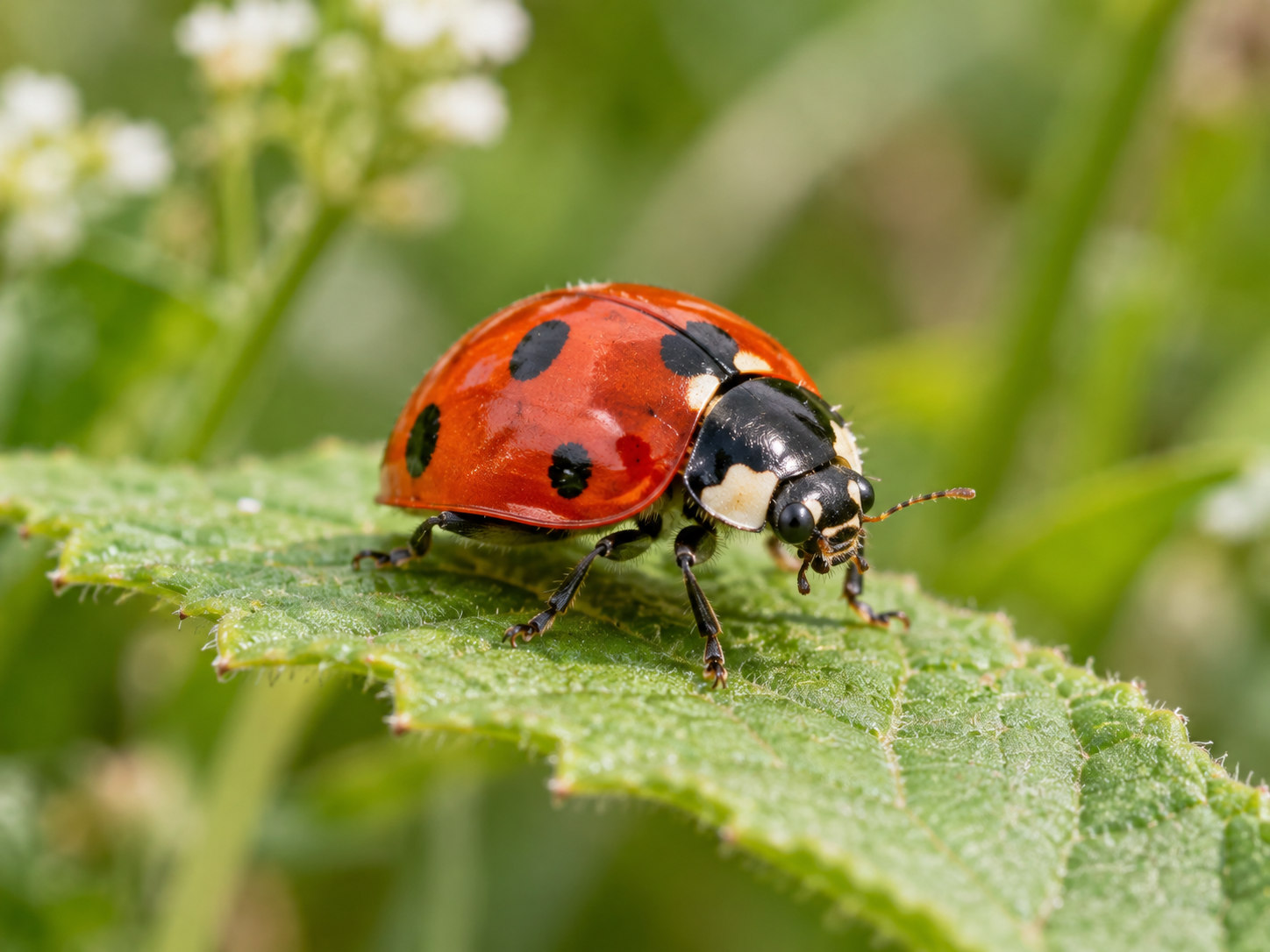
Ladybug
-
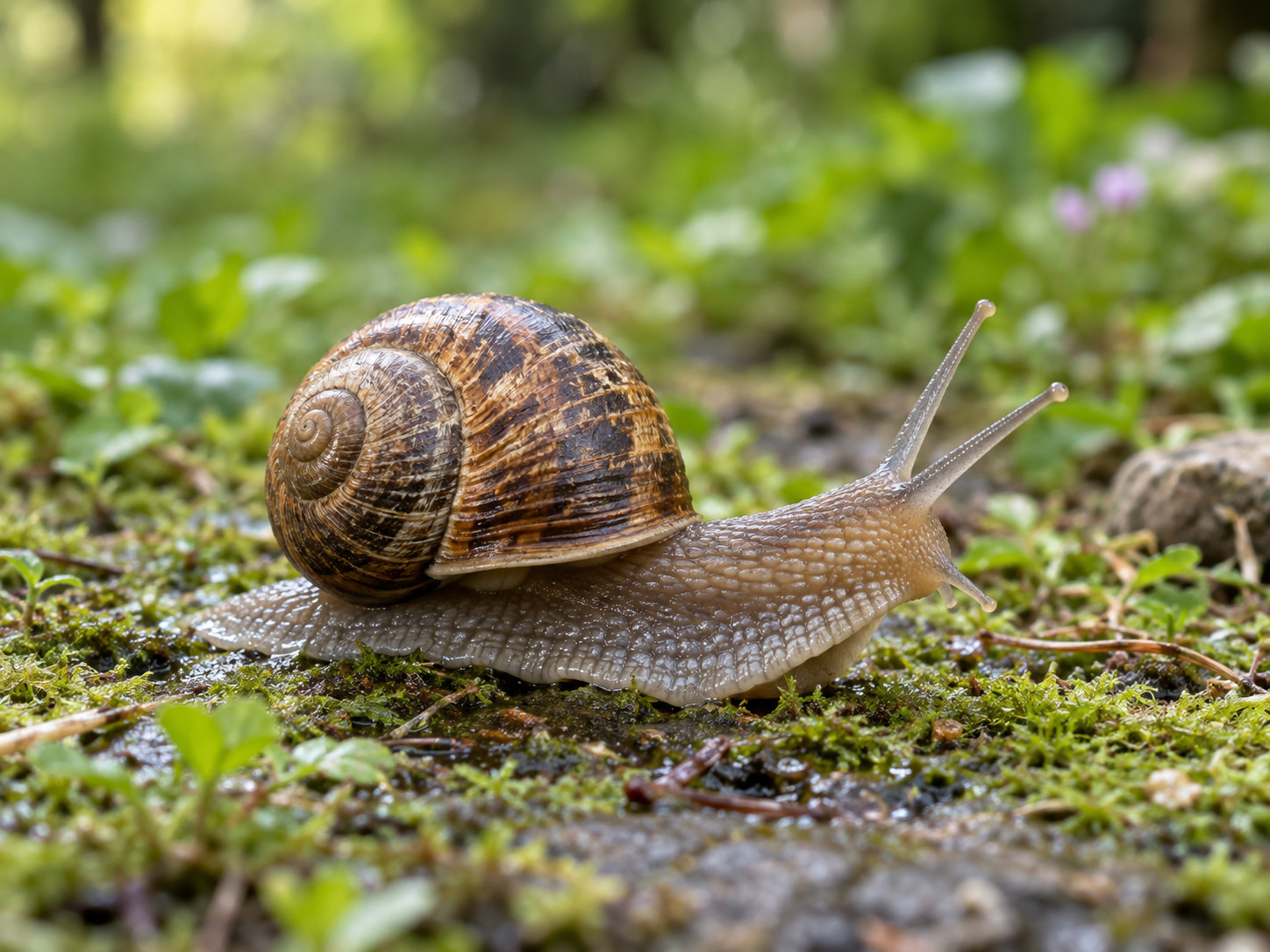
Snail
-
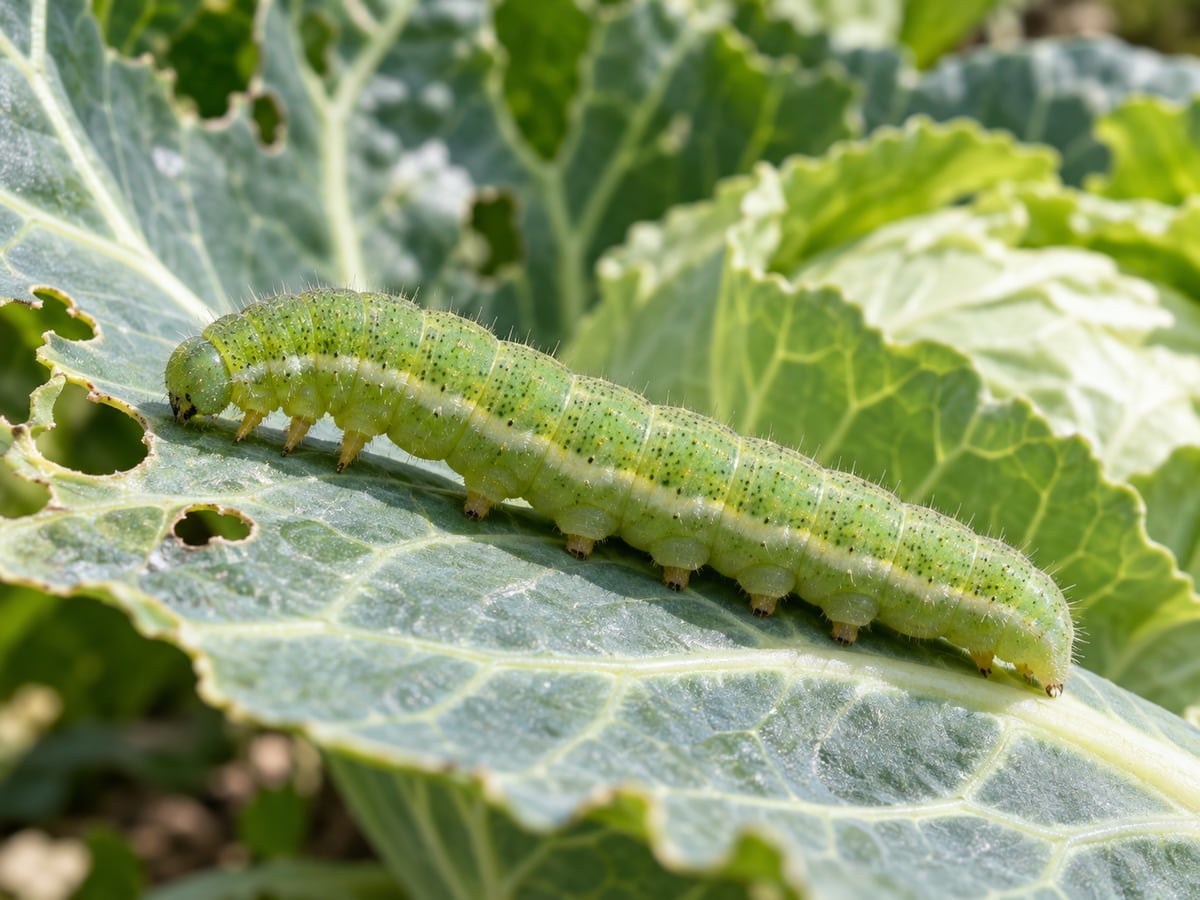
Caterpillar
-
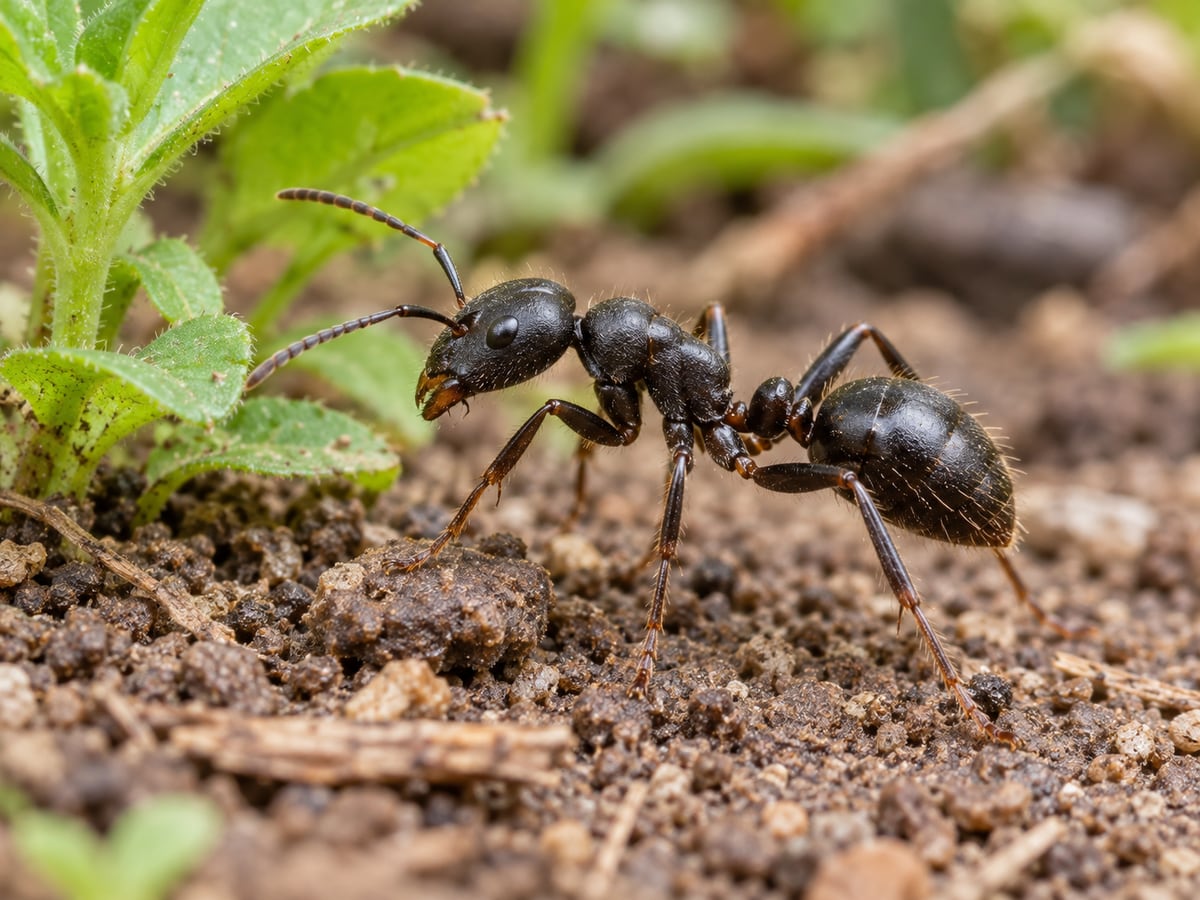
Ant
Forest
A forest gives animals food and shelter among its trees.
Habitat fact reference: NASA
-
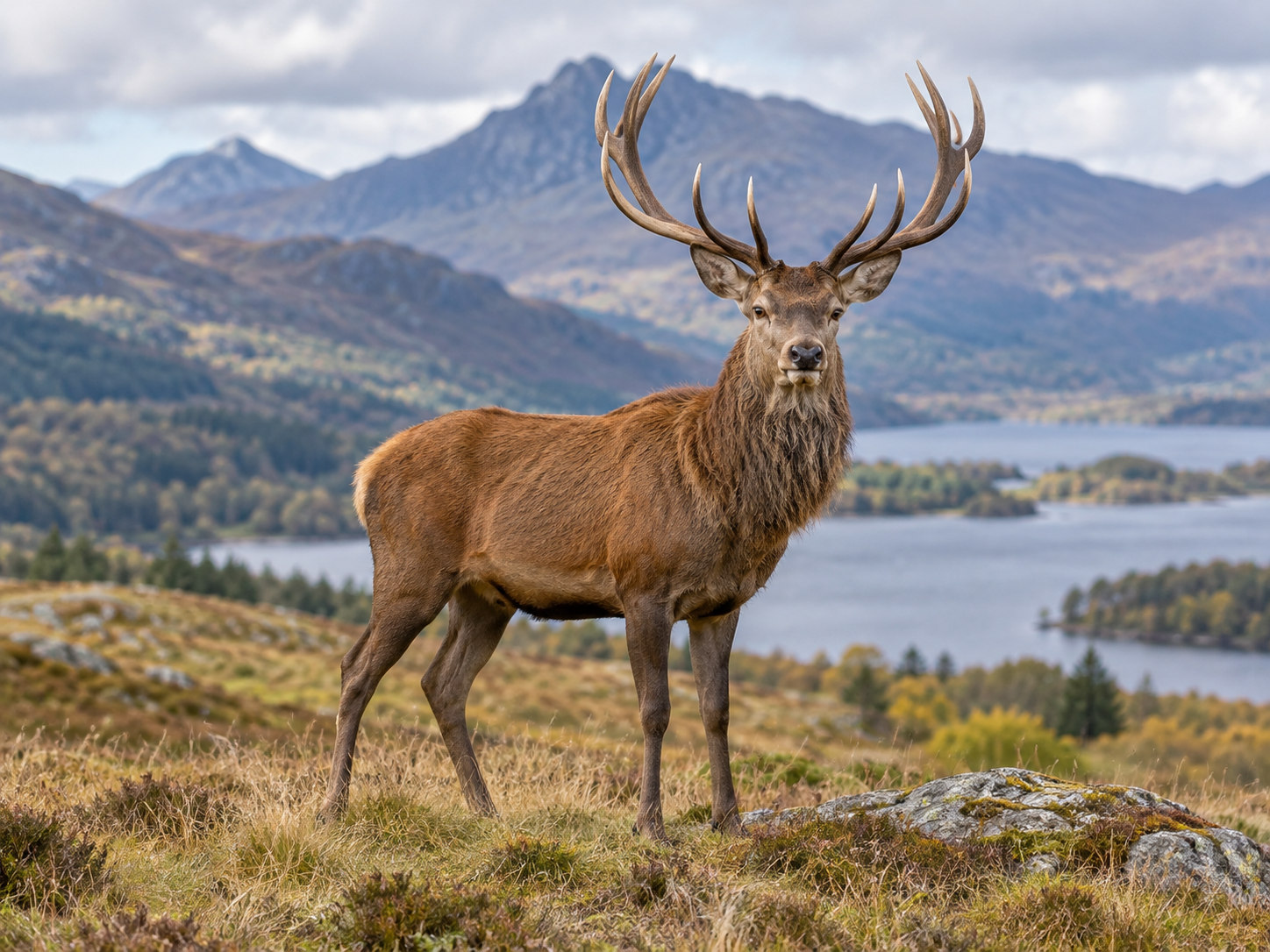
Deer
-
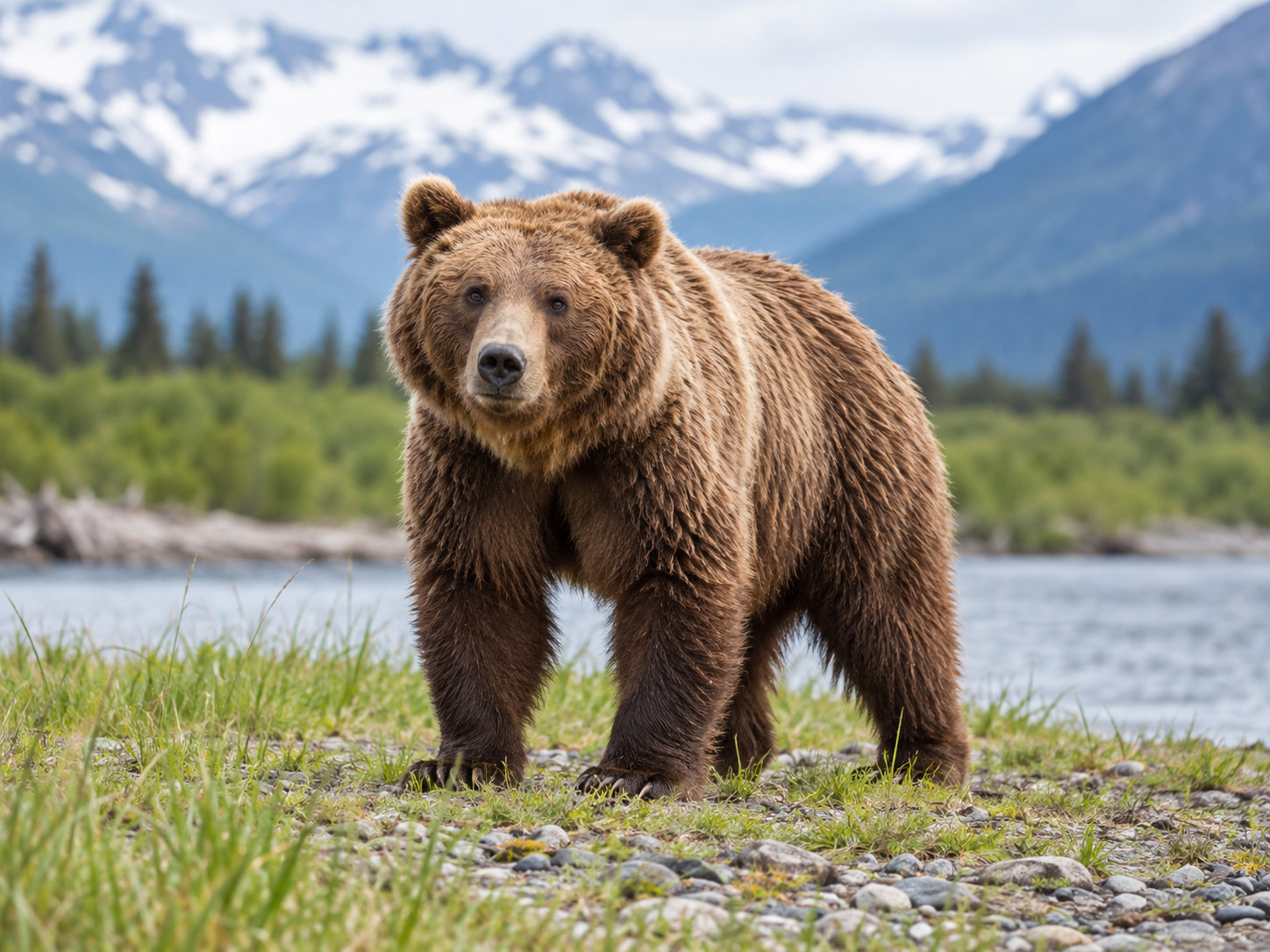
Bear
-
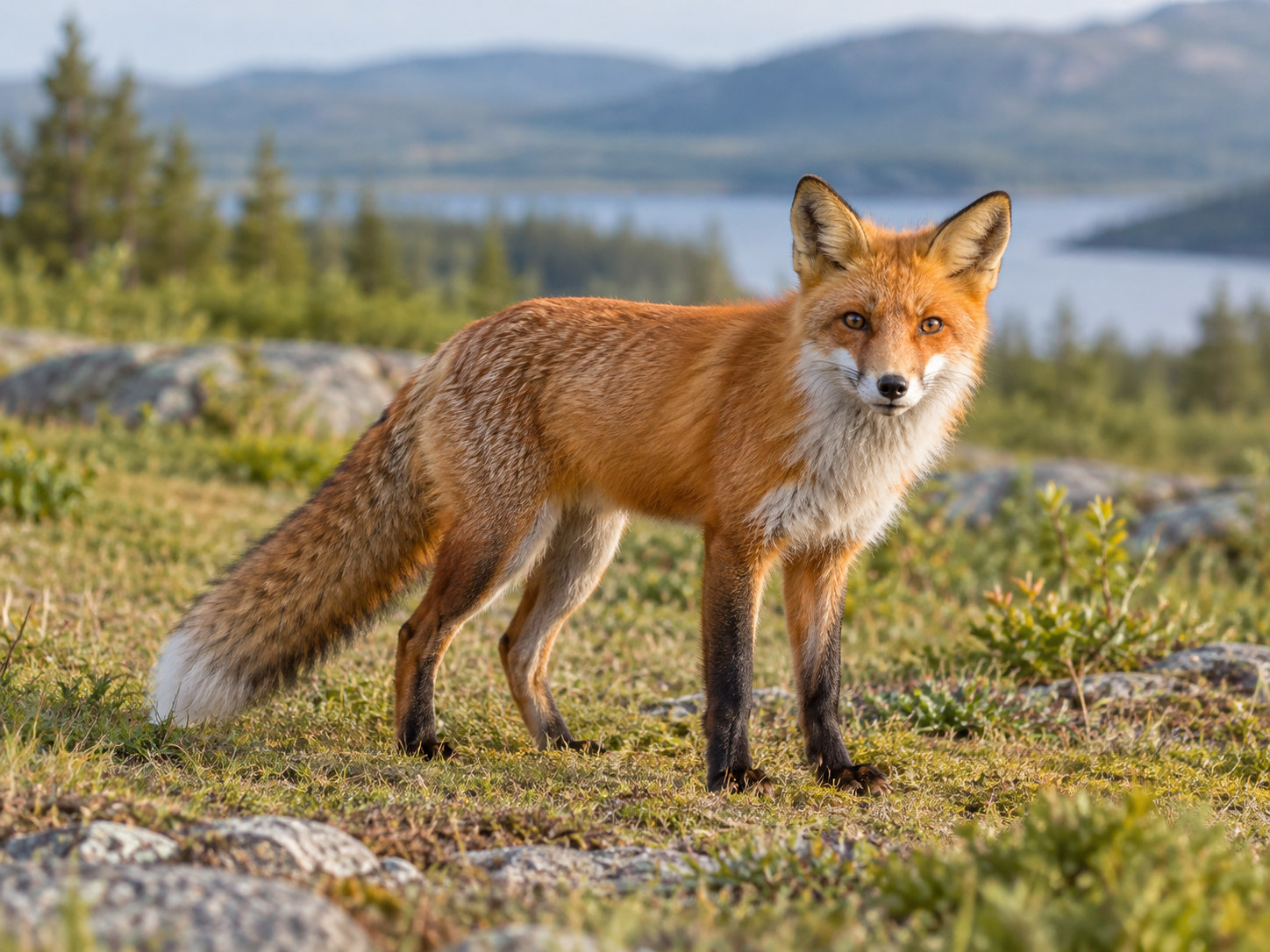
Fox
-
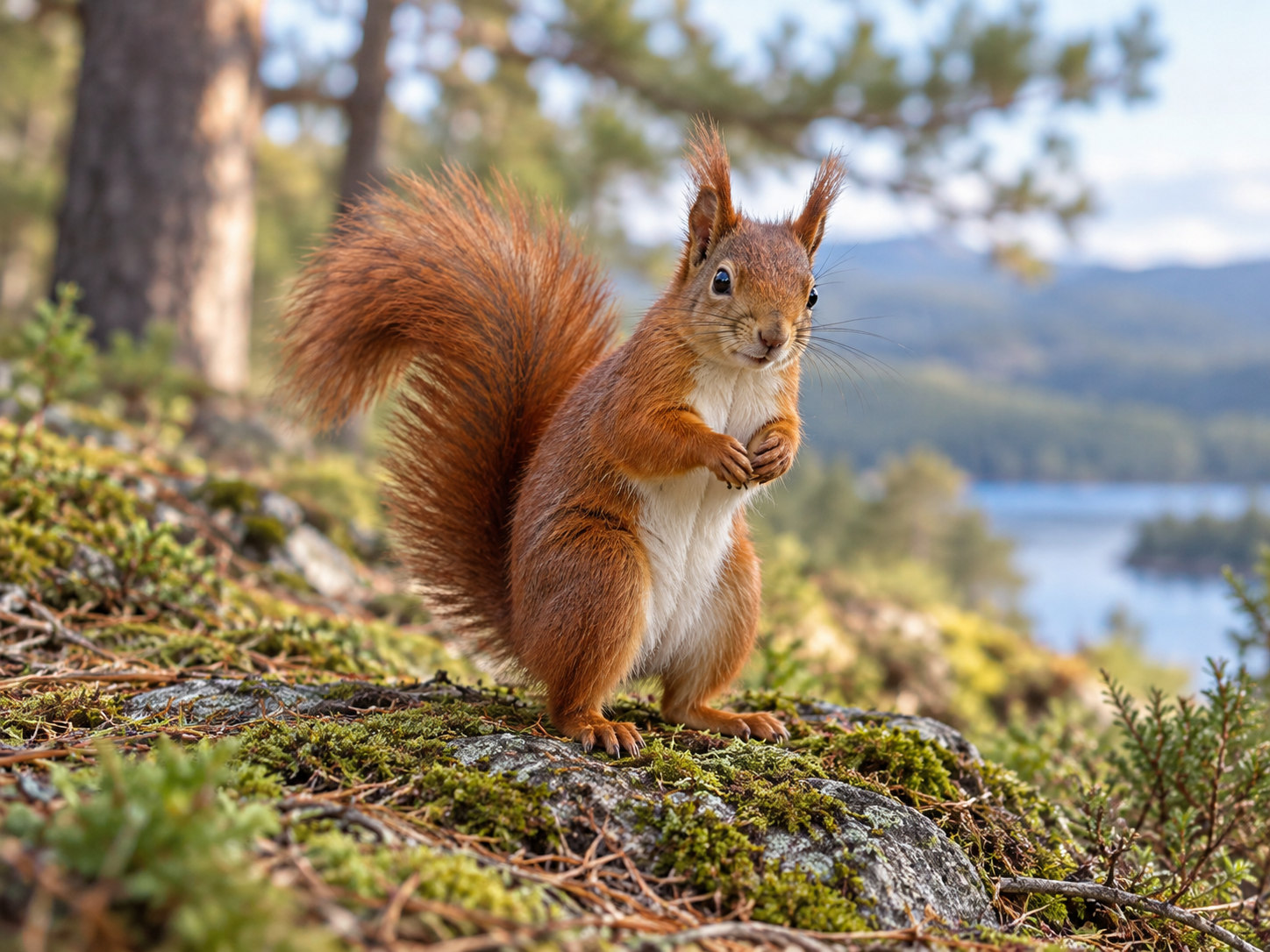
Squirrel
-
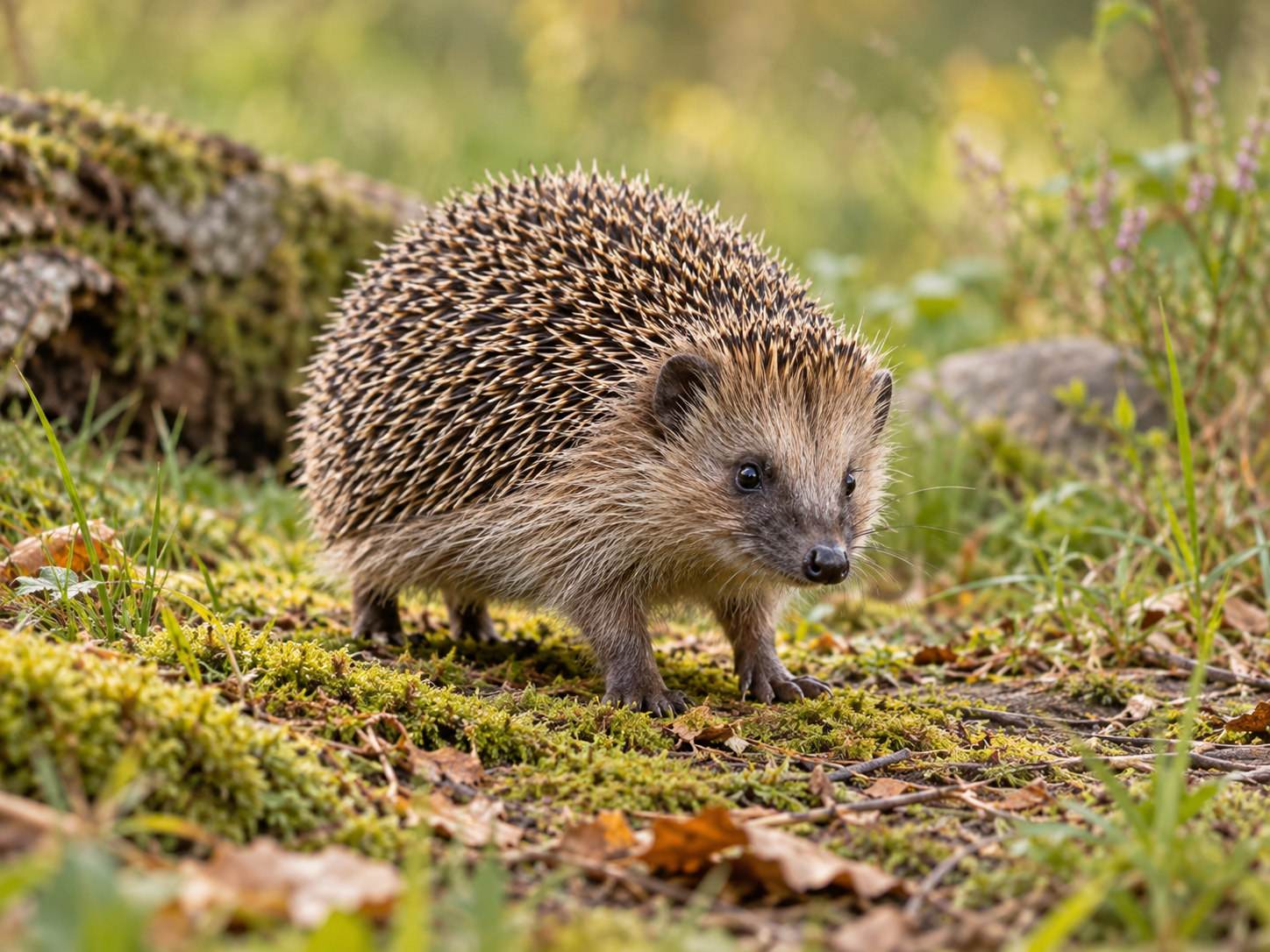
Hedgehog
-
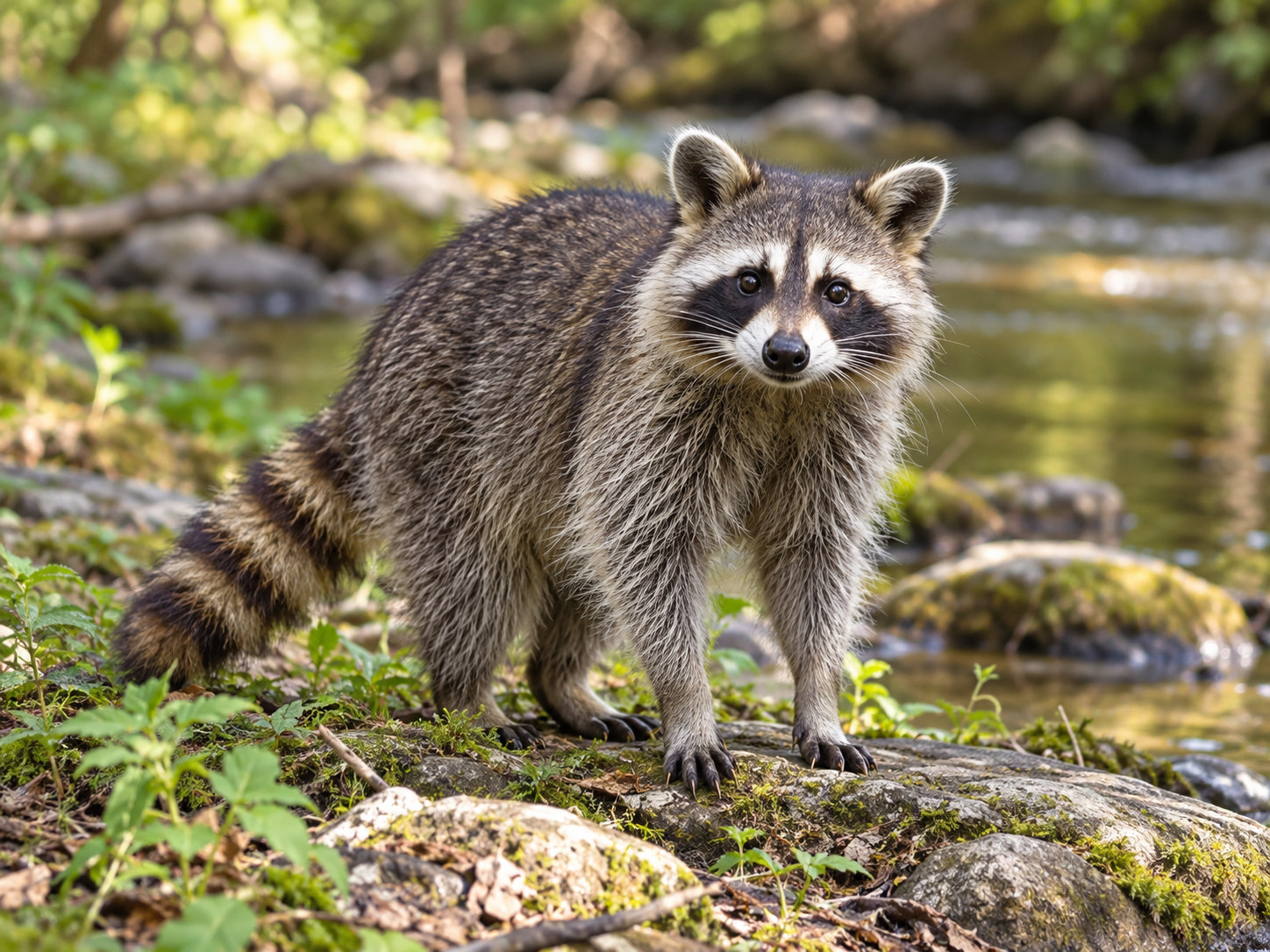
Raccoon
-
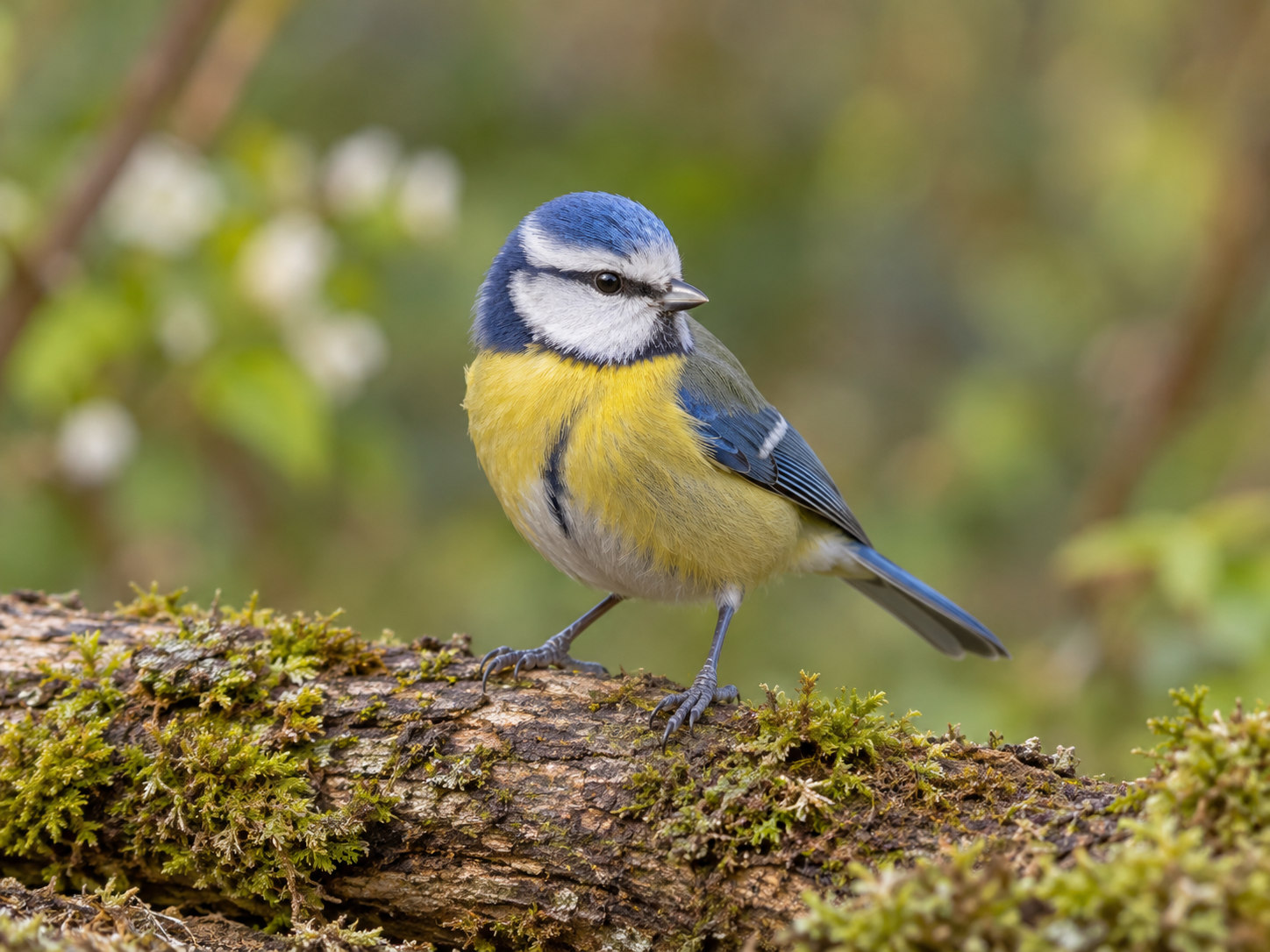
Bird
-
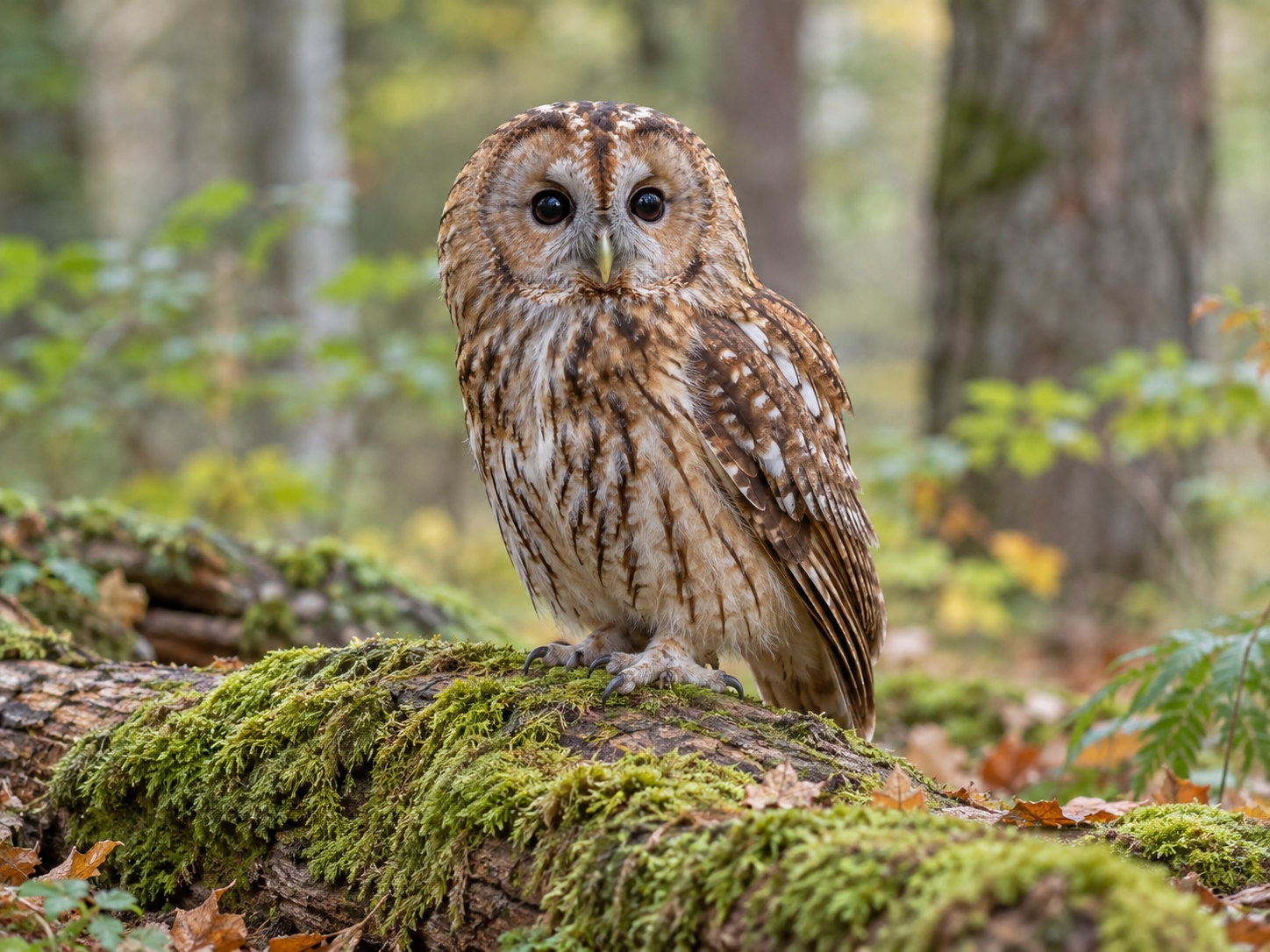
Owl
-
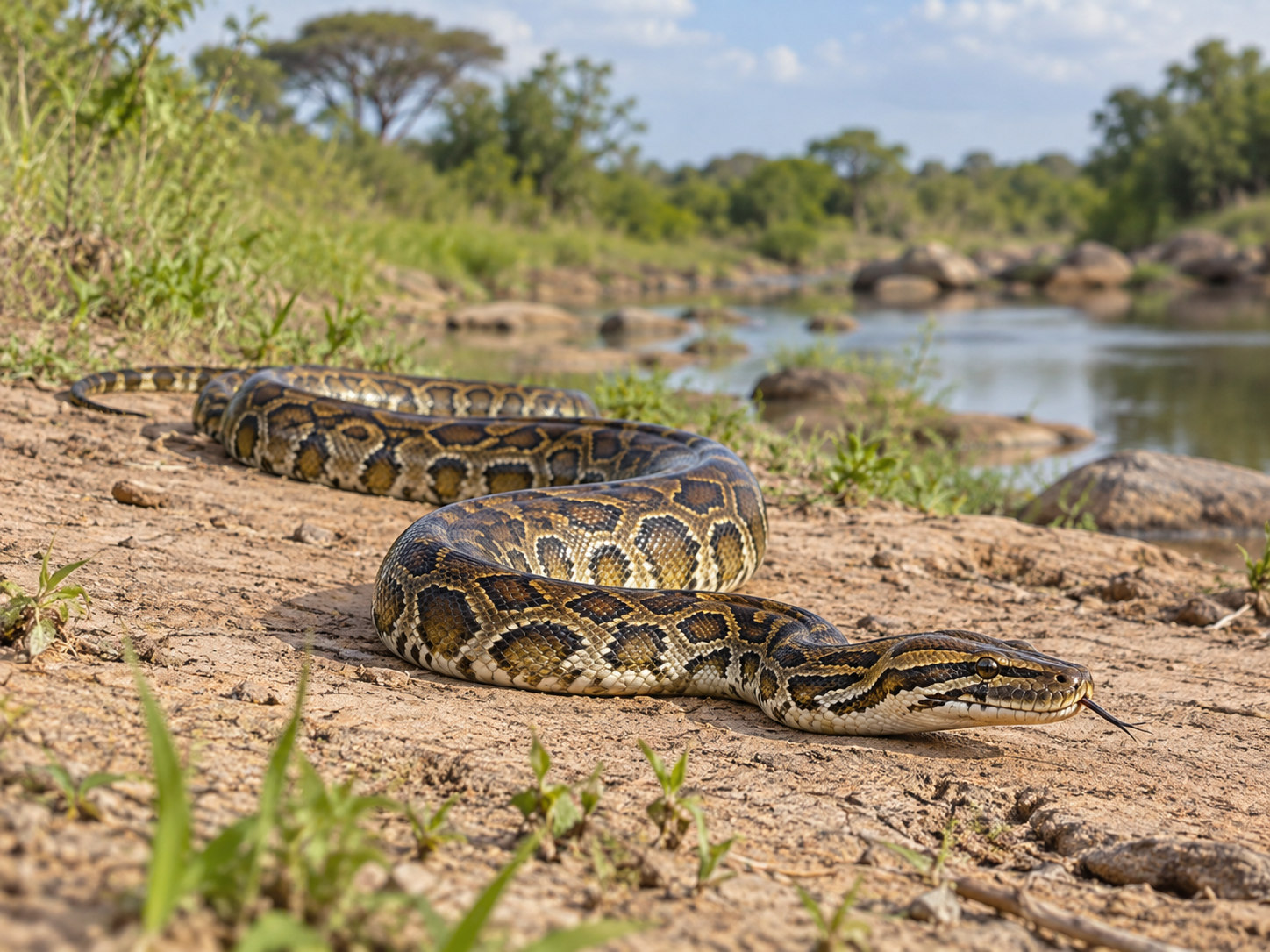
Snake
-
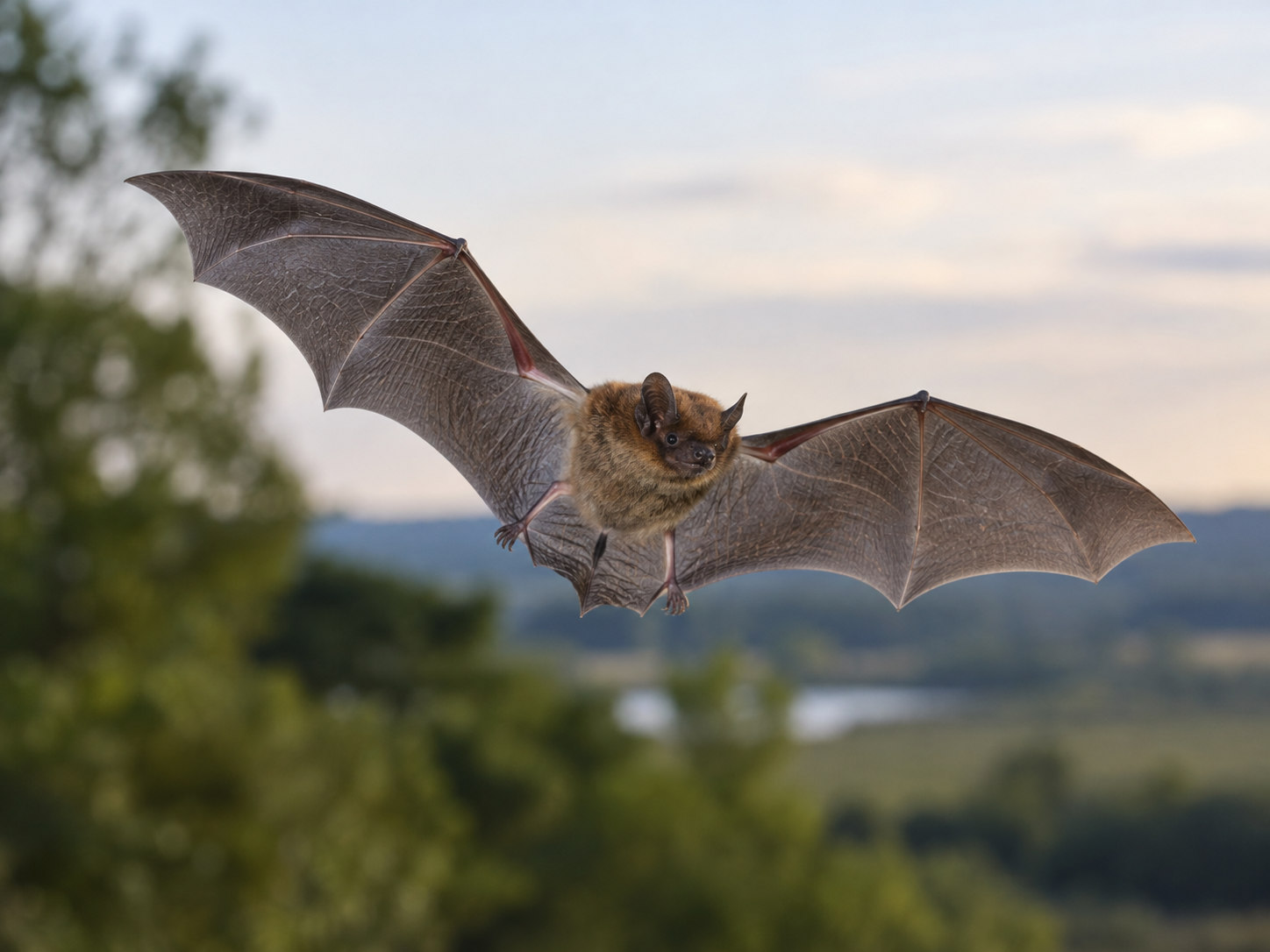
Bat
-
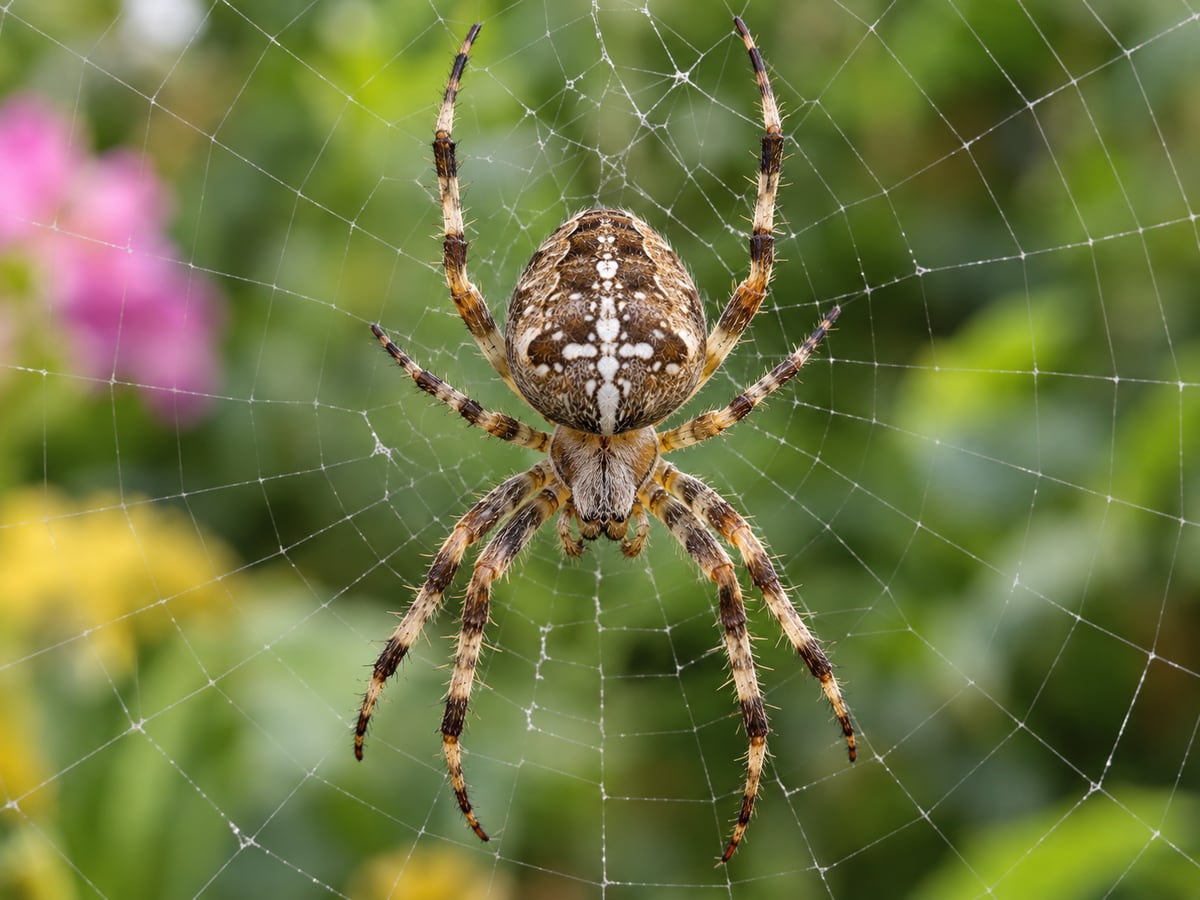
Spider
-
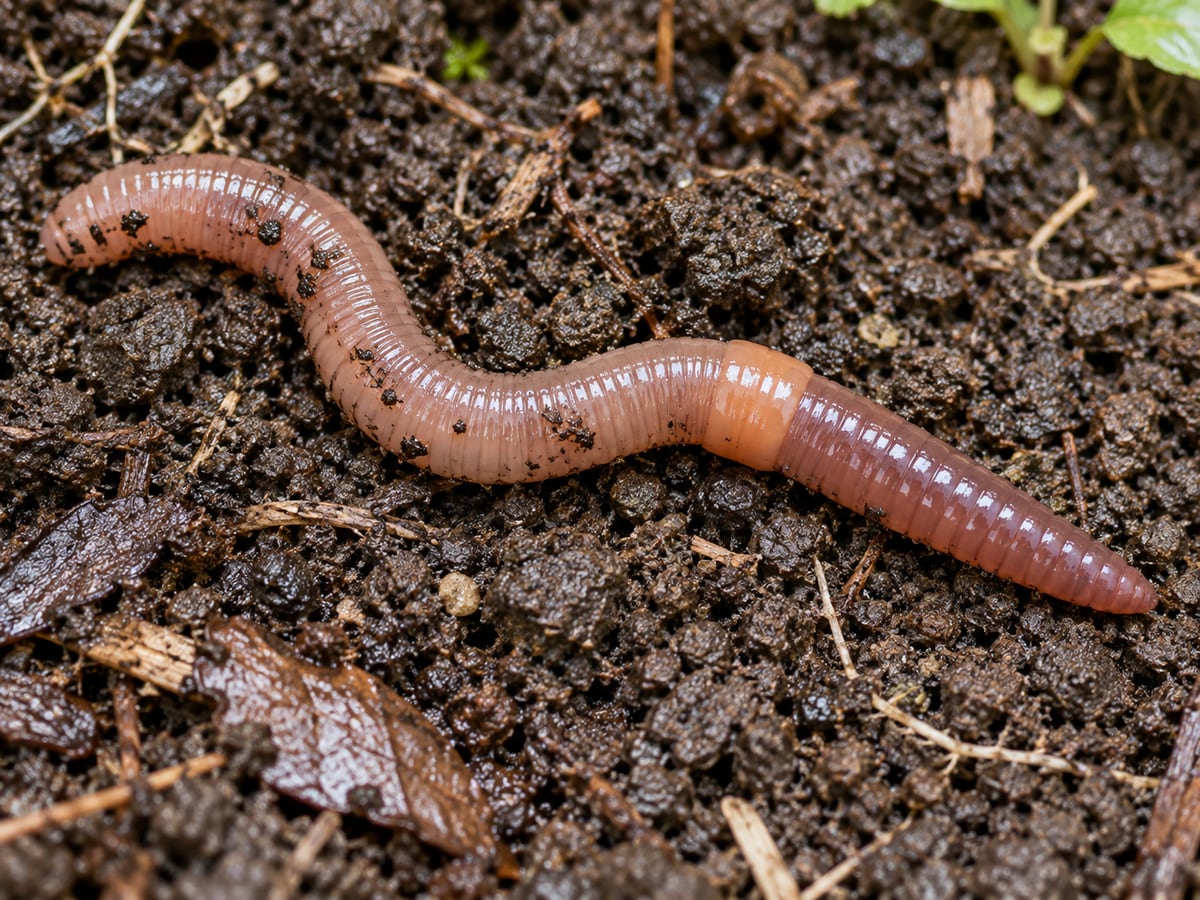
Worm
Lake
Lakes collect water, and rivers can flow into and out of them.
Habitat fact reference: U.S. Geological Survey
-
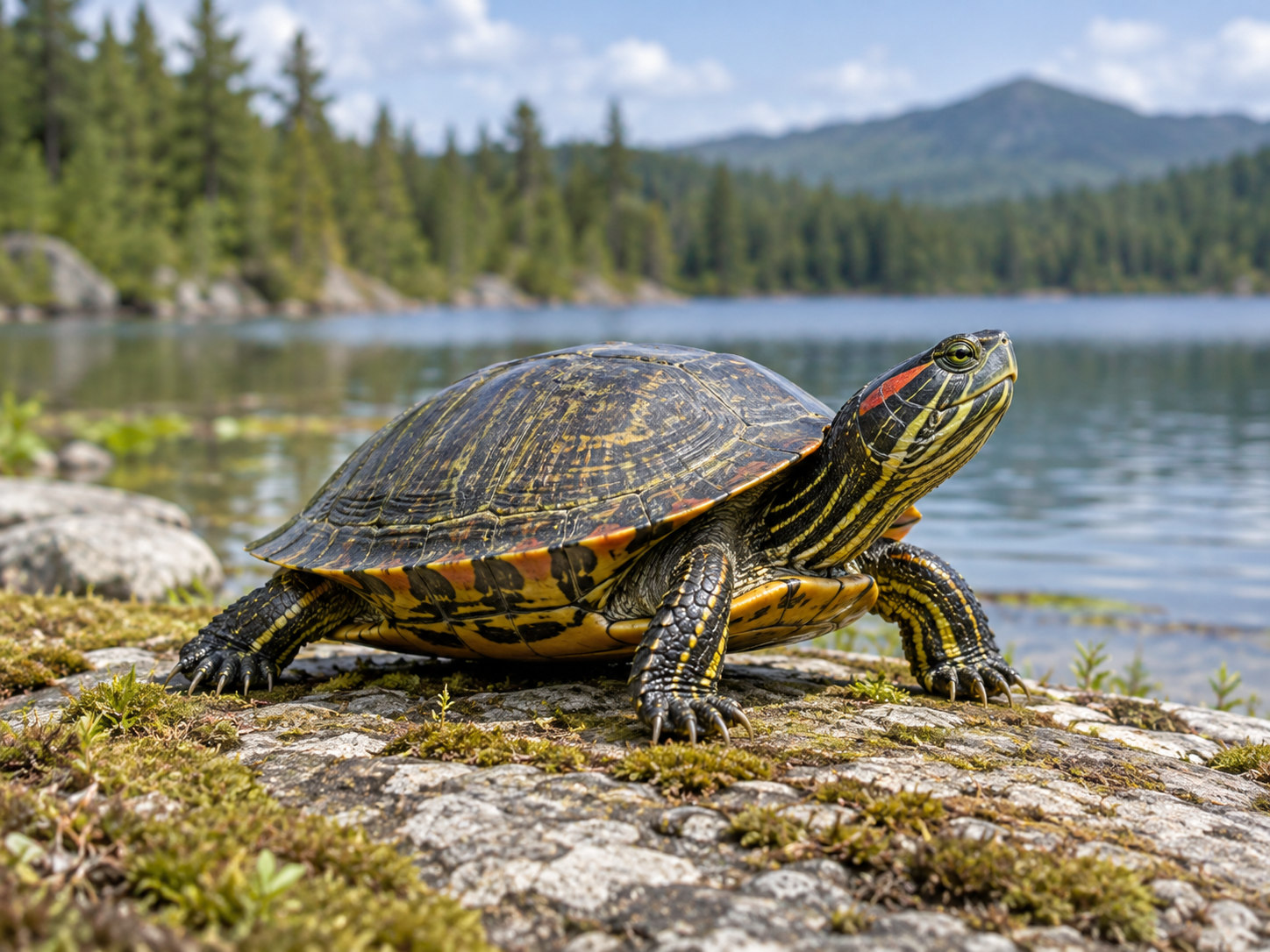
Turtle
-
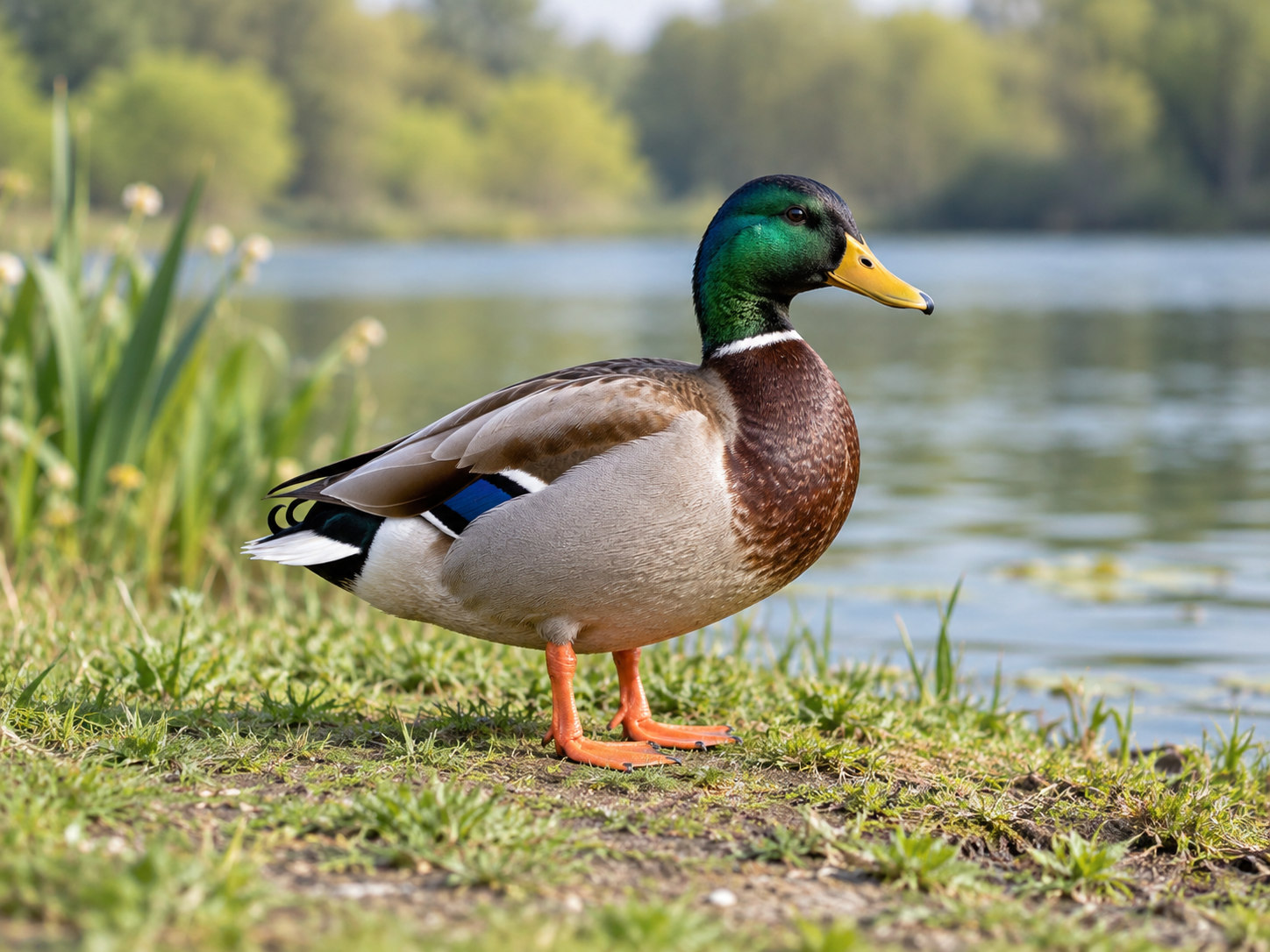
Duck
-
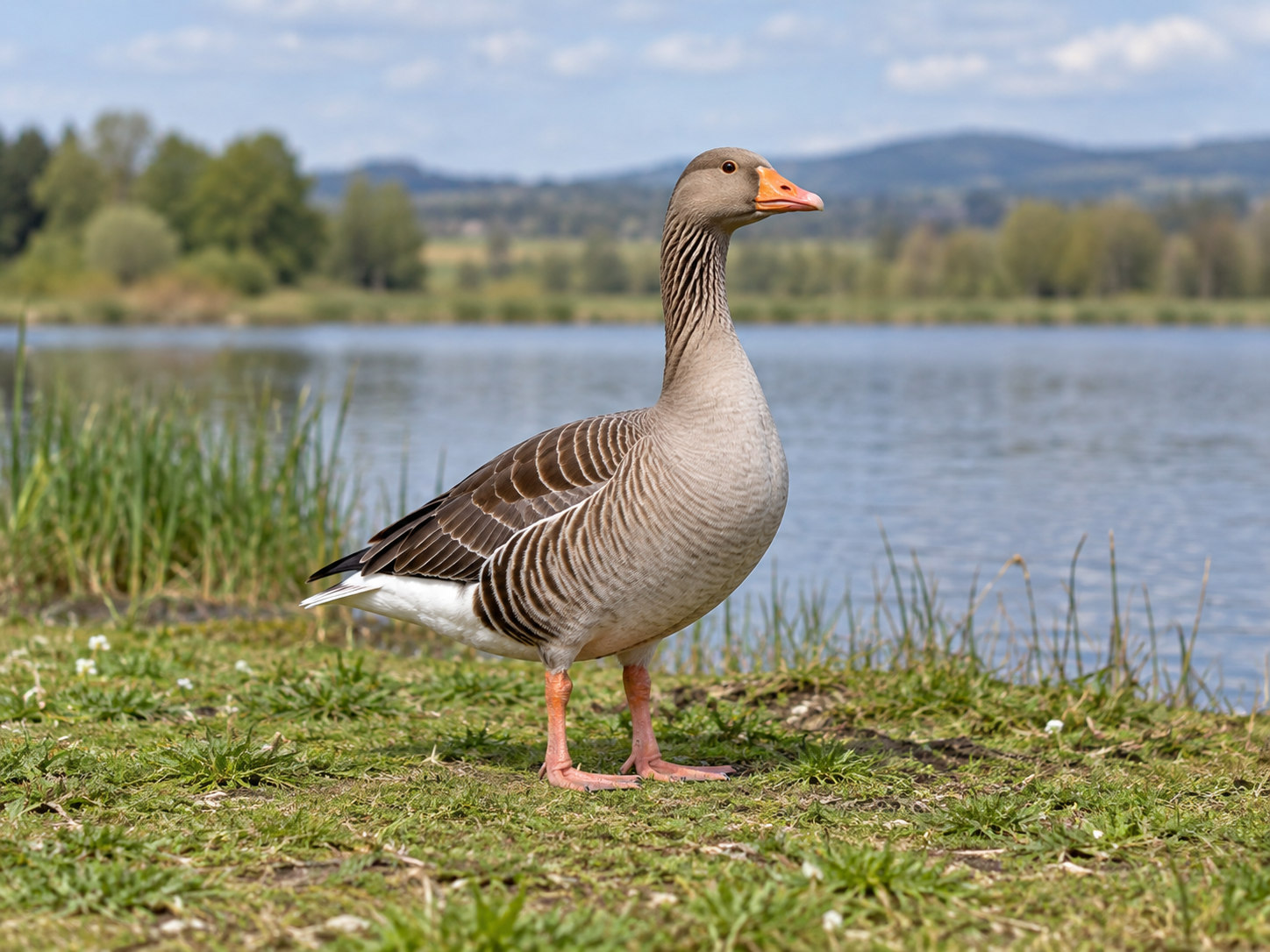
Goose
-
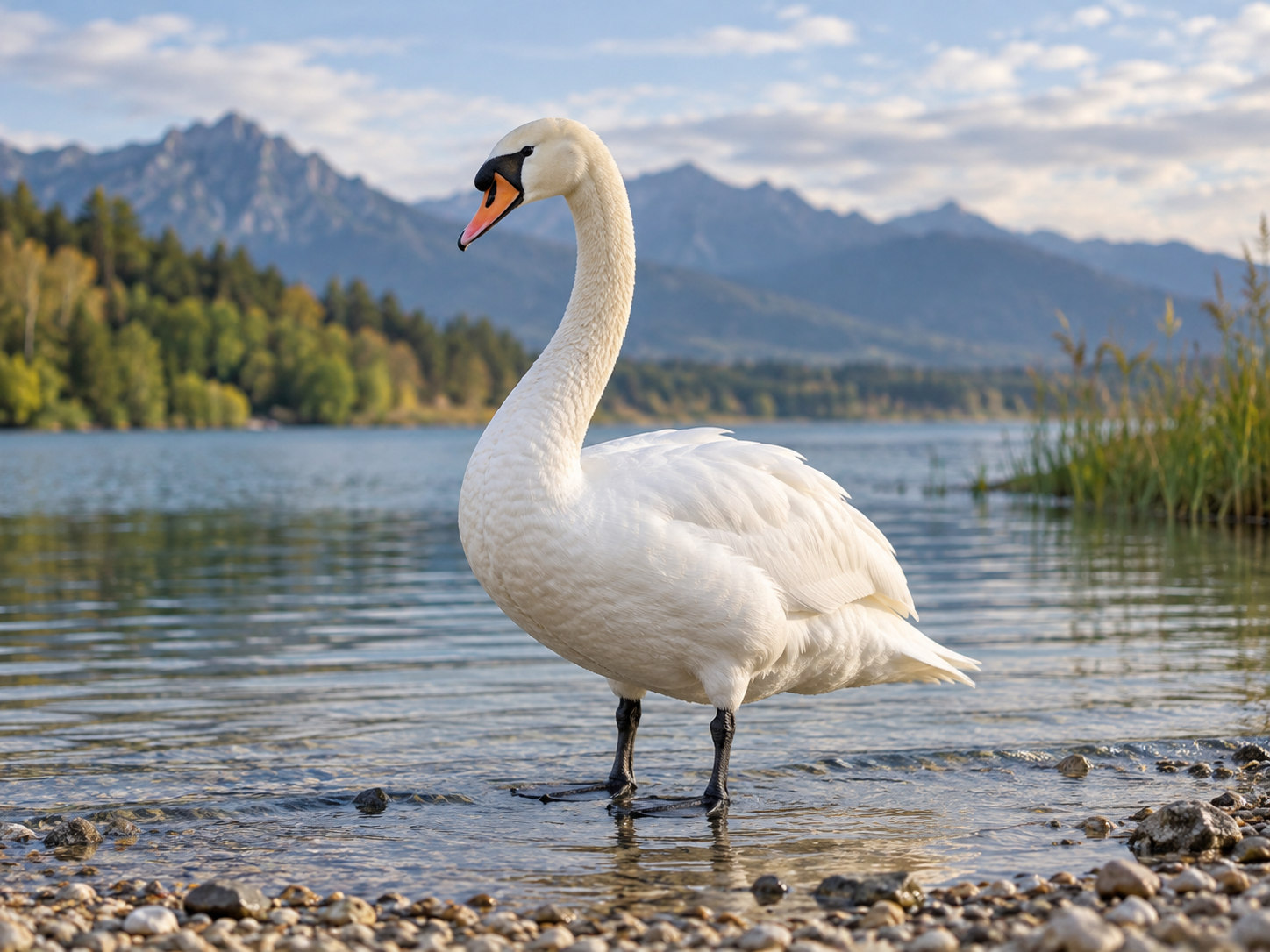
Swan
River
River water flows downhill toward a lake, another river, or the sea.
Habitat fact reference: U.S. Geological Survey
-
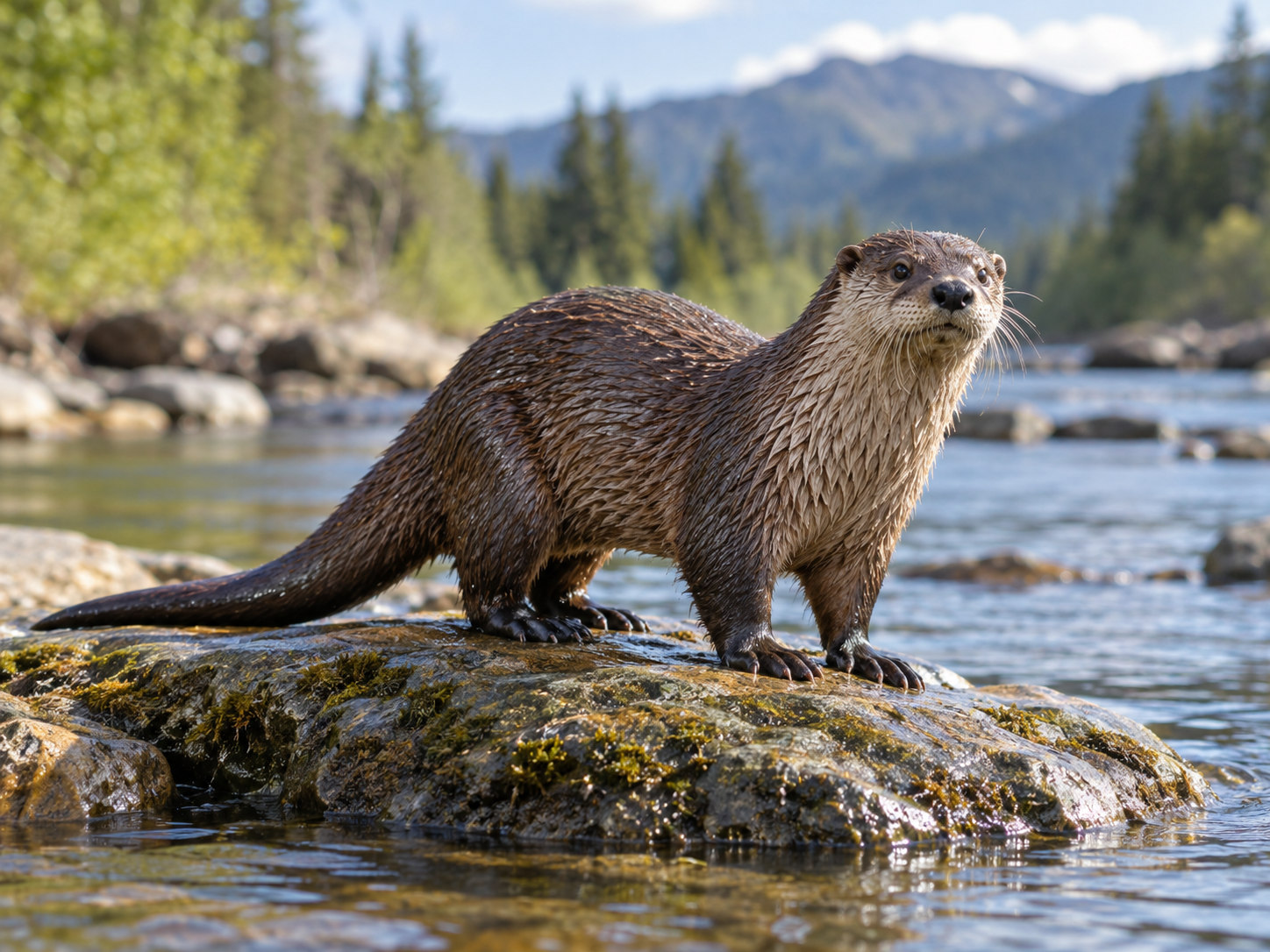
Otter
-
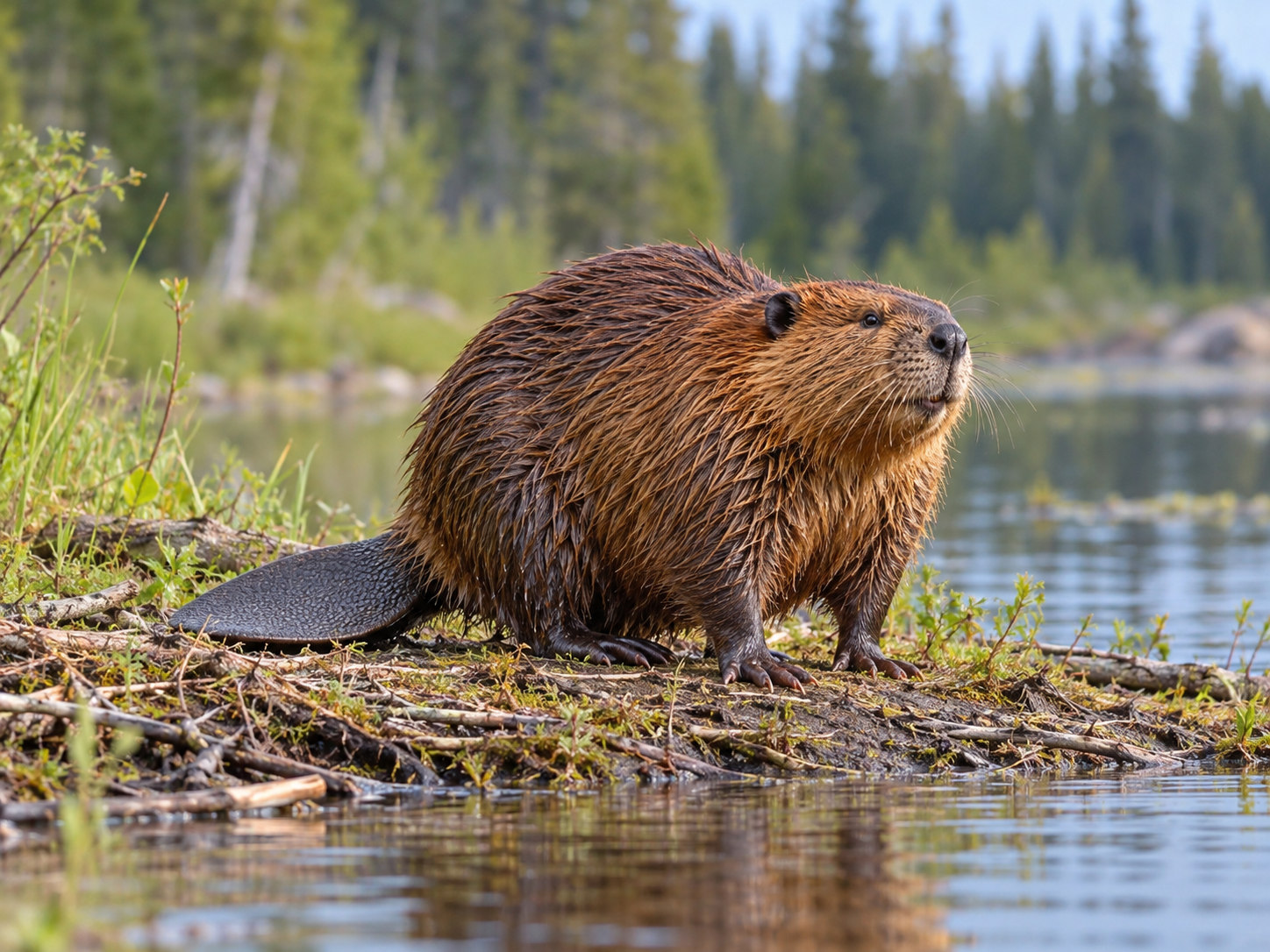
Beaver
-
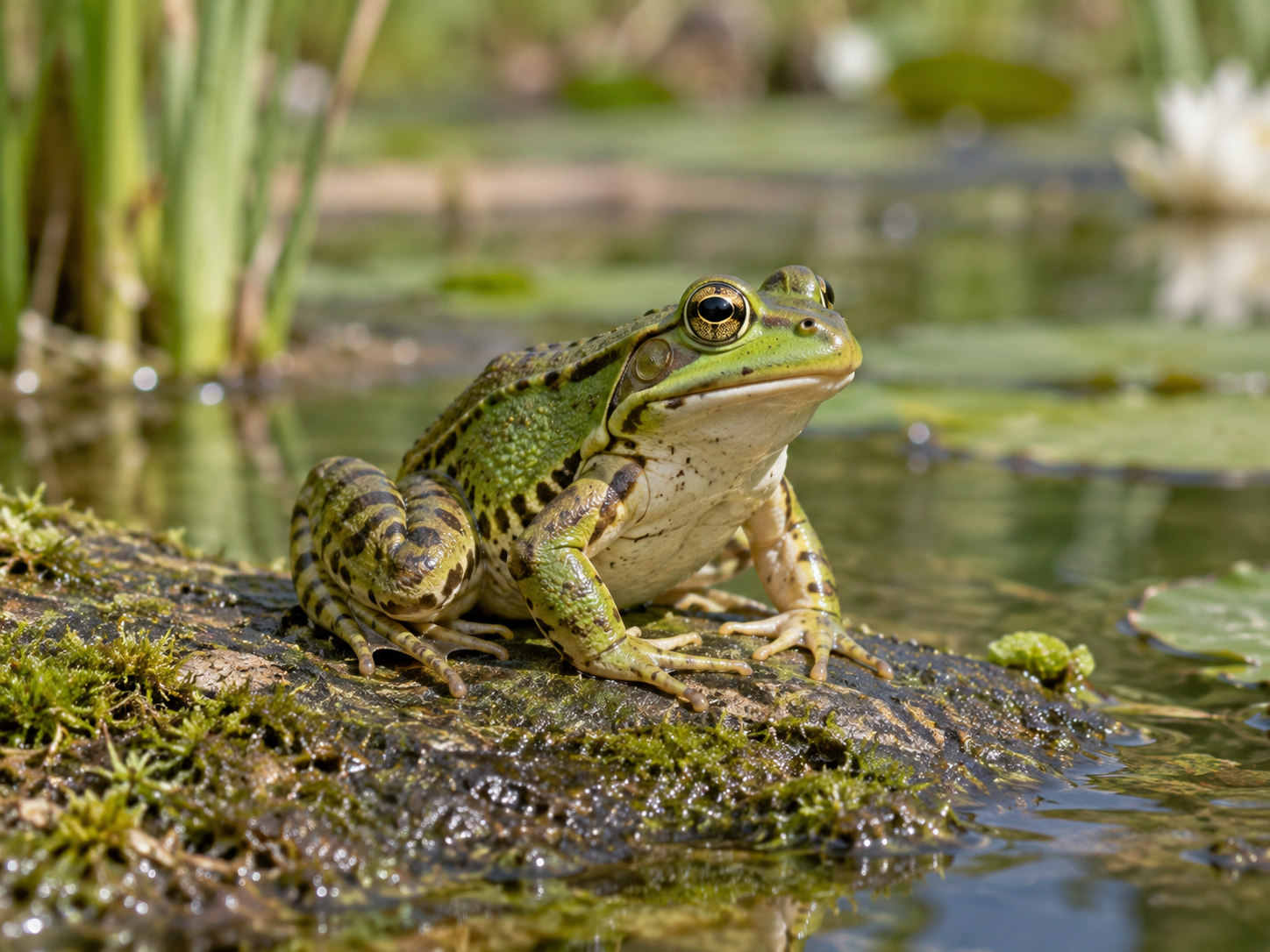
Frog
-
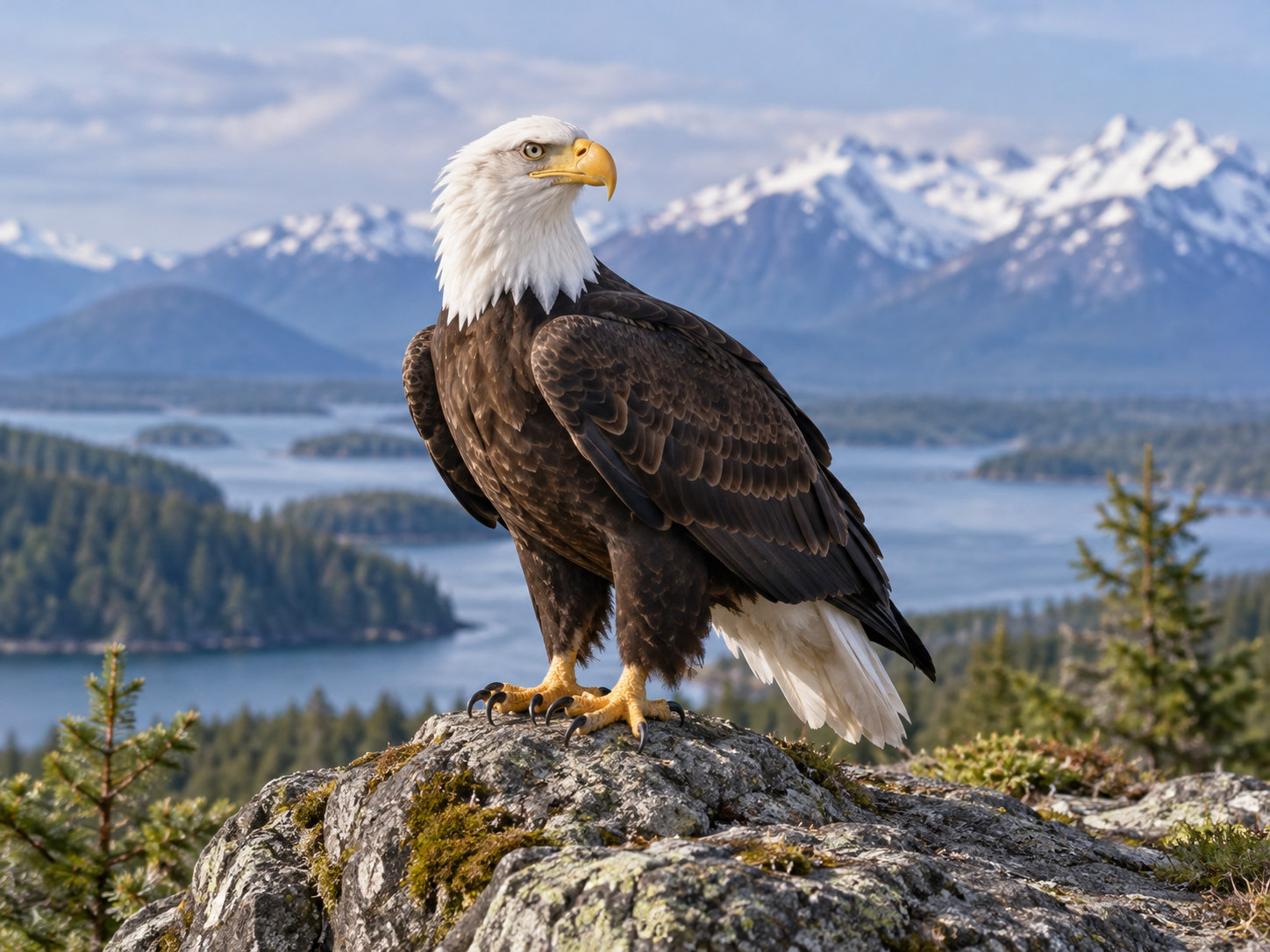
Eagle
-
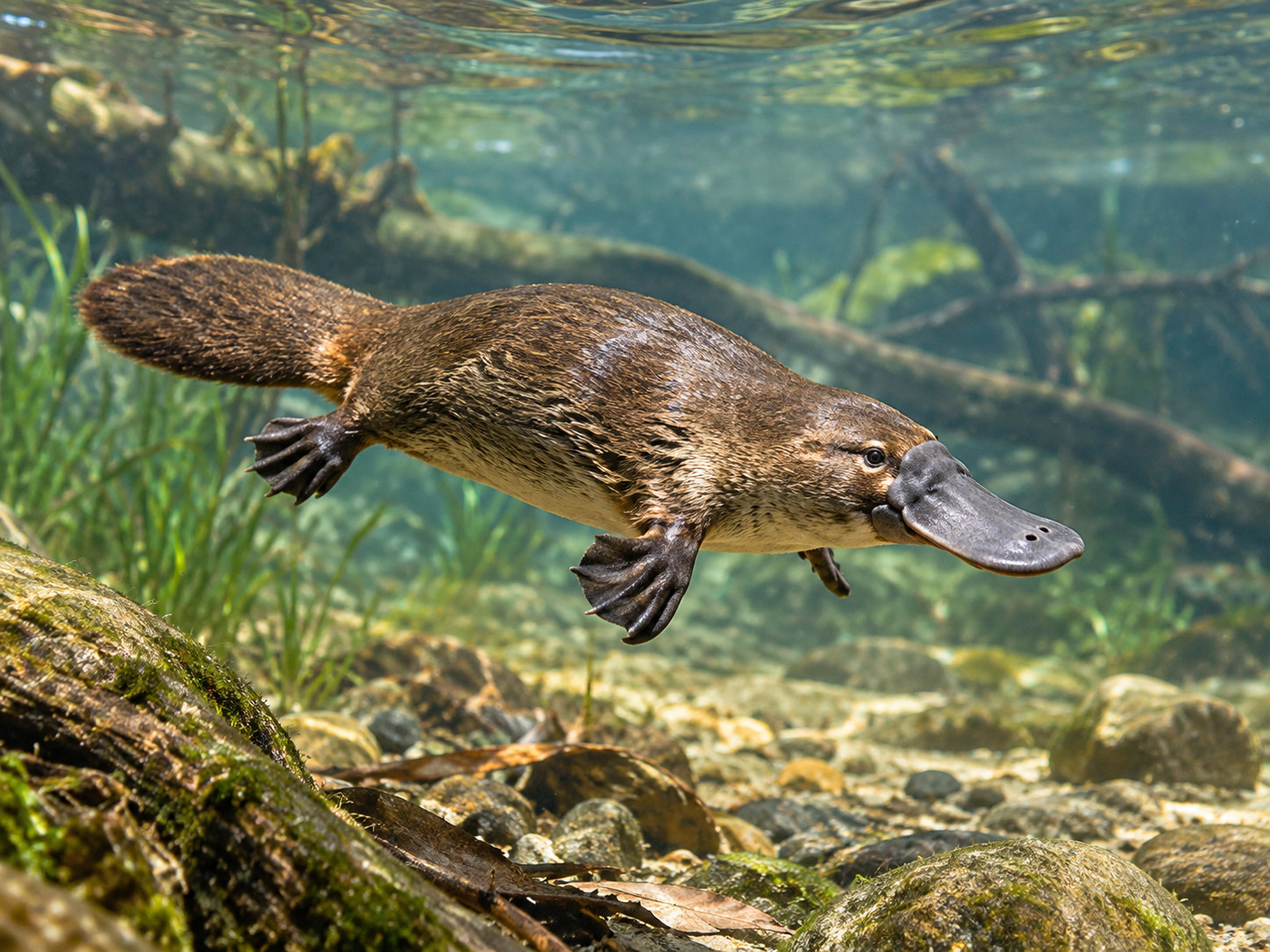
Platypus
Grassland
A savanna has lots of grass, scattered trees, and wet and dry seasons.
Habitat fact reference: NASA
-
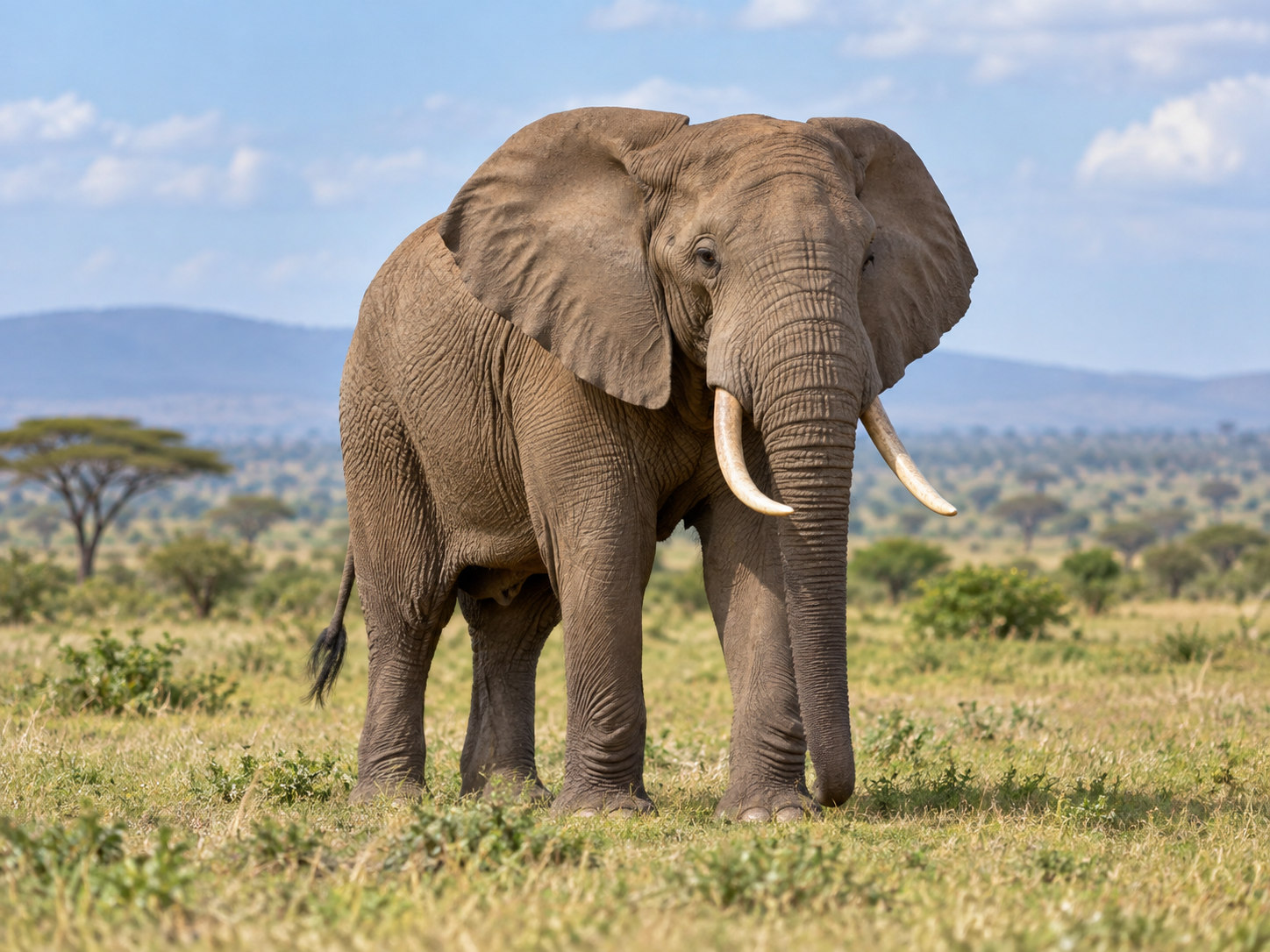
Elephant
-
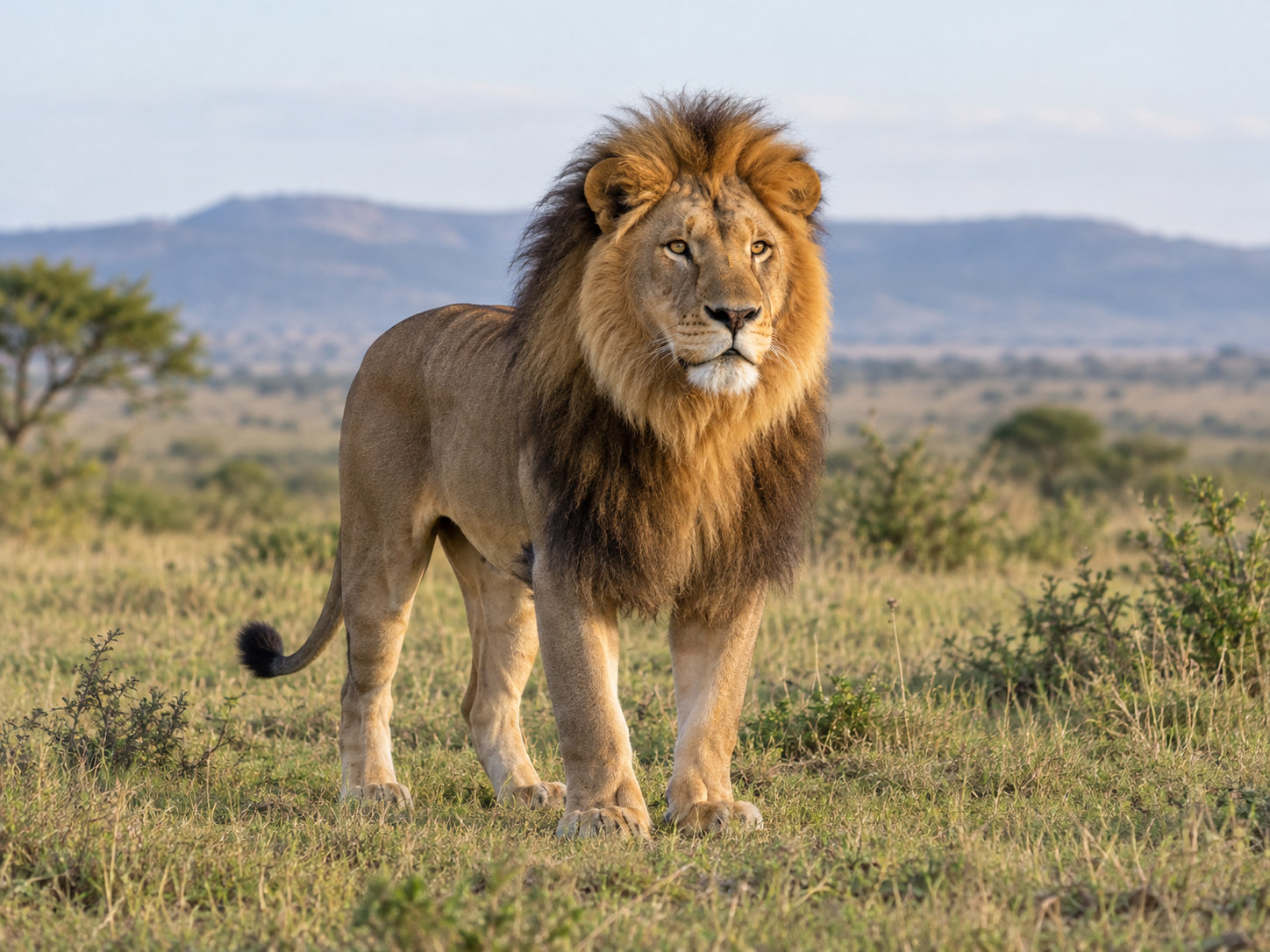
Lion
-
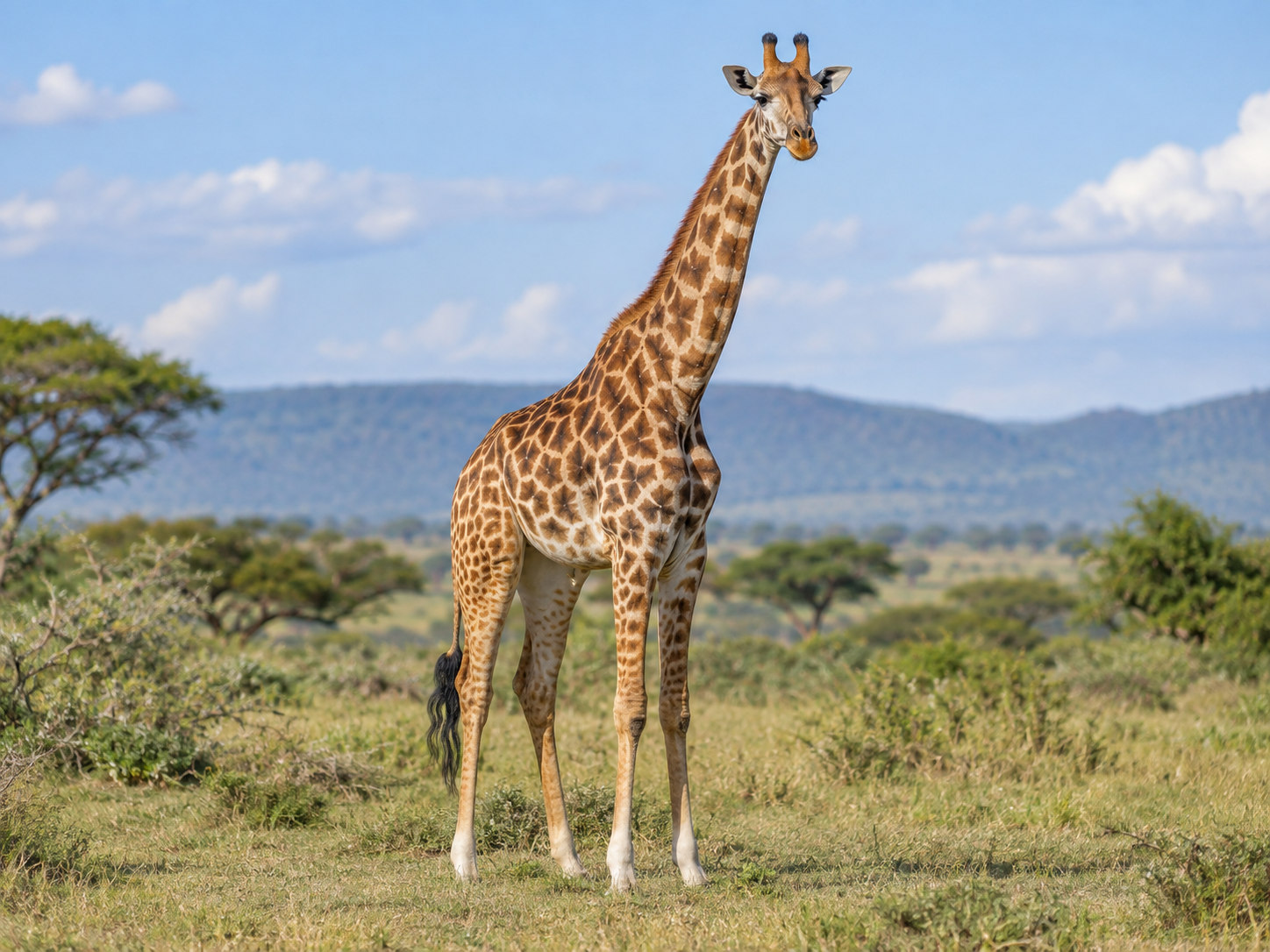
Giraffe
-
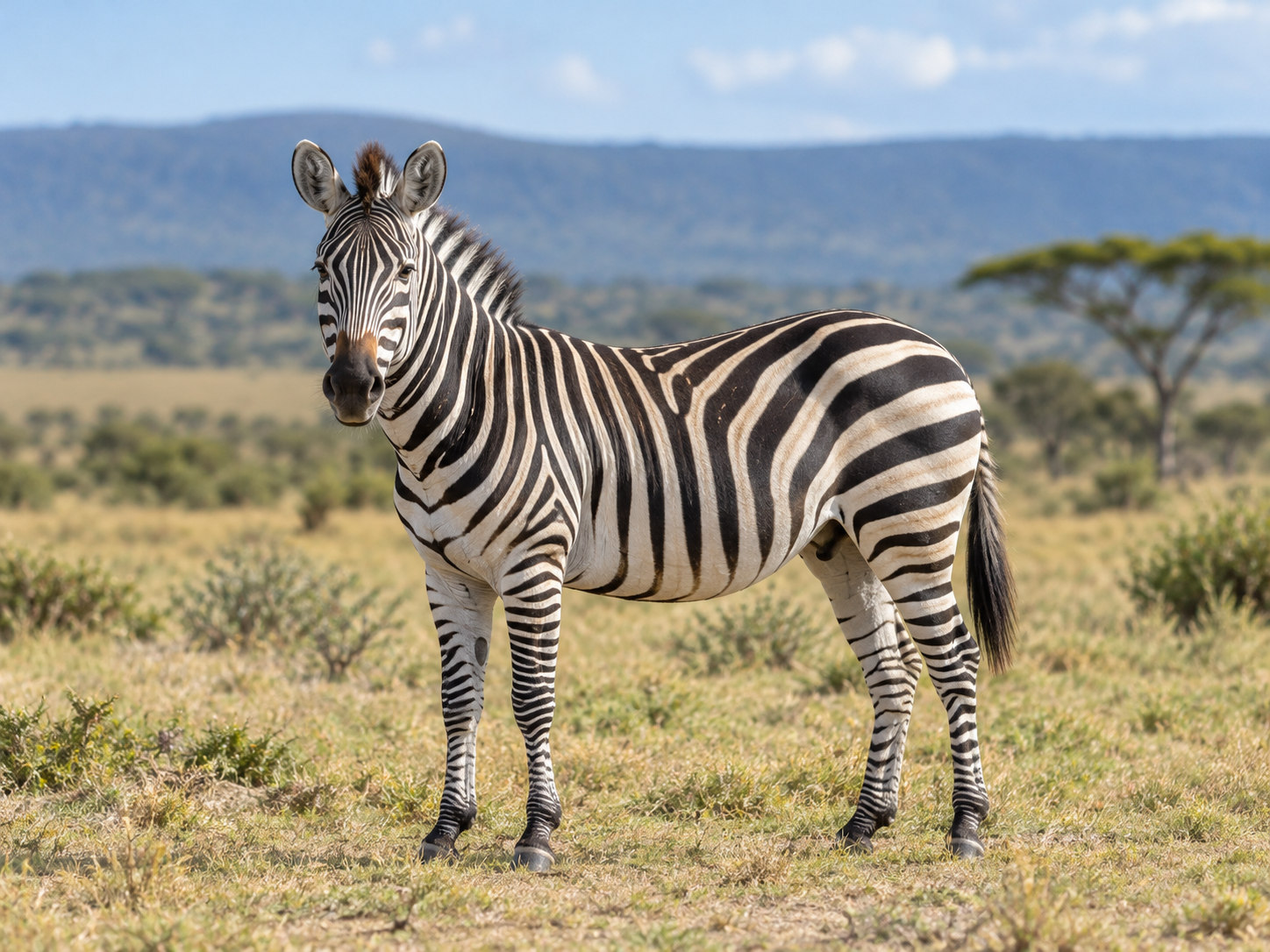
Zebra
-
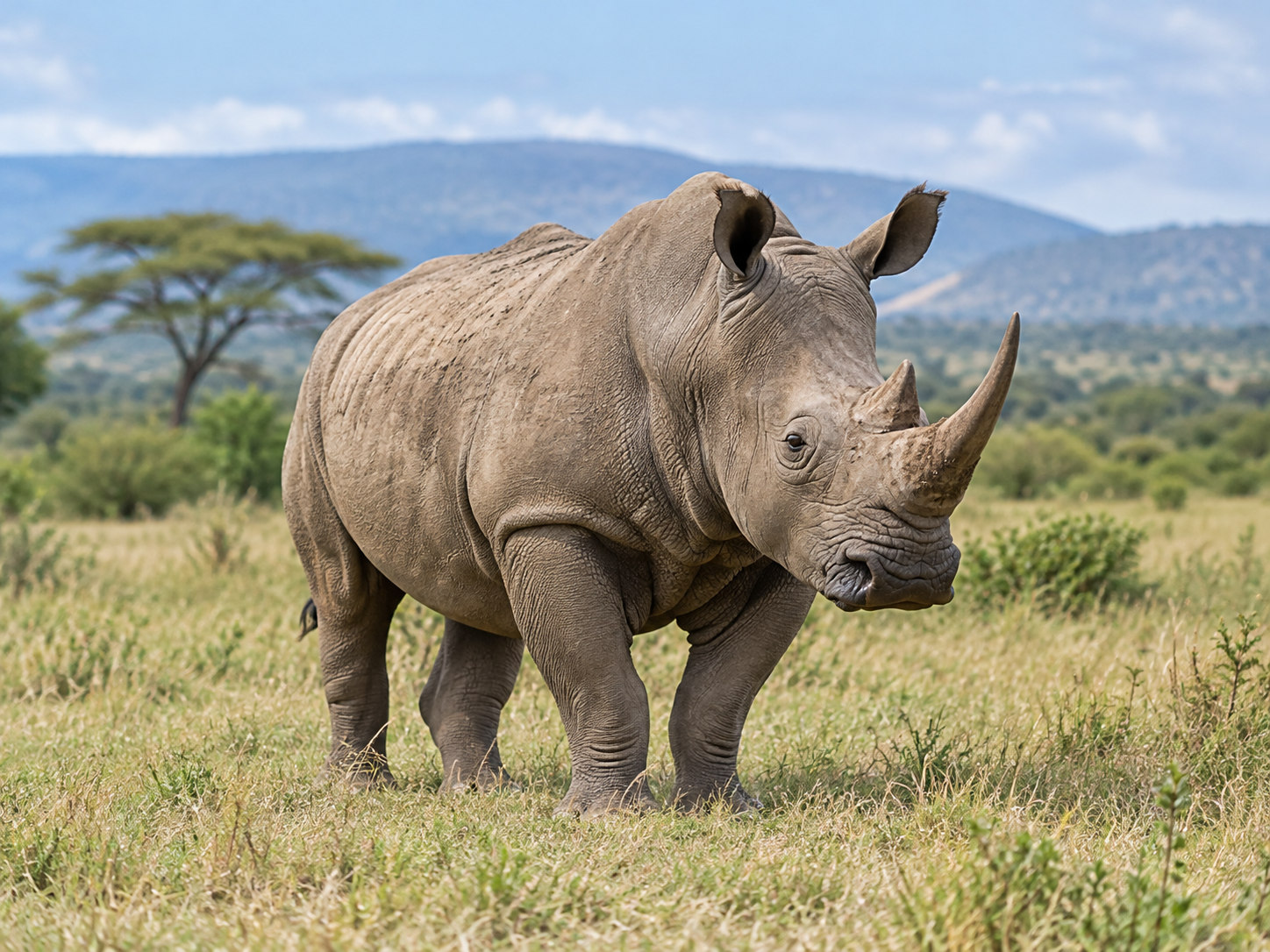
Rhinoceros
-
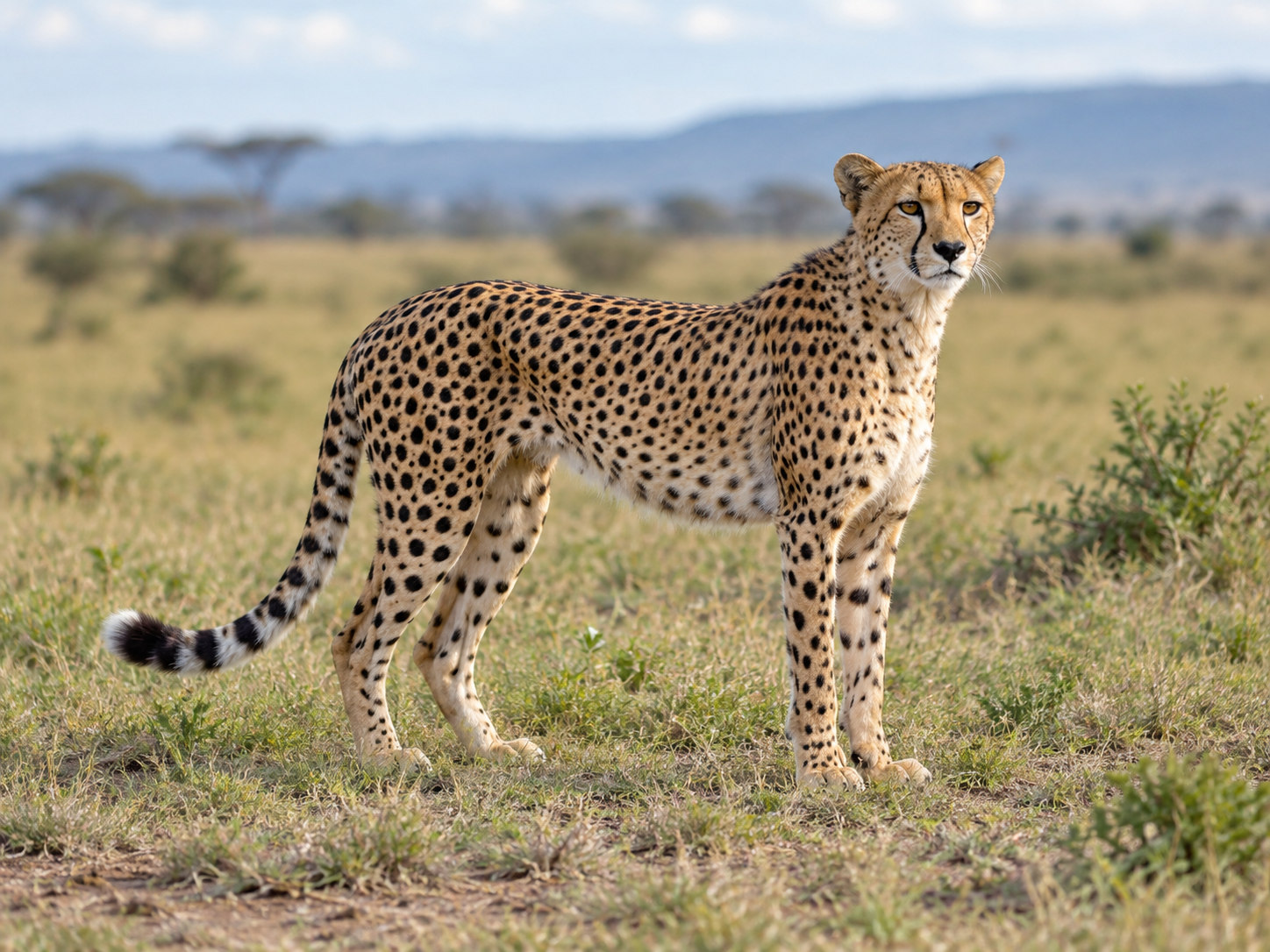
Cheetah
-
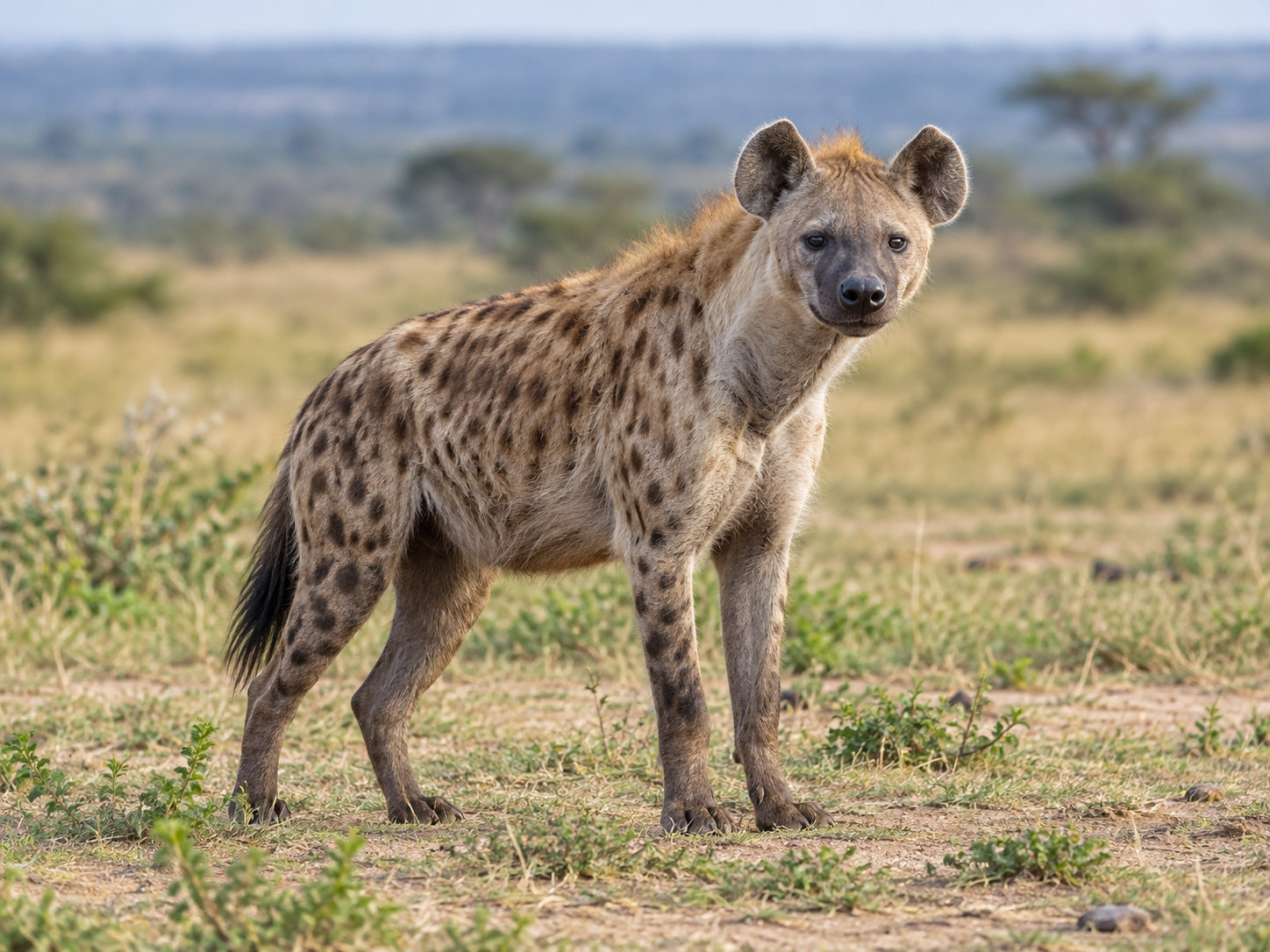
Hyena
-
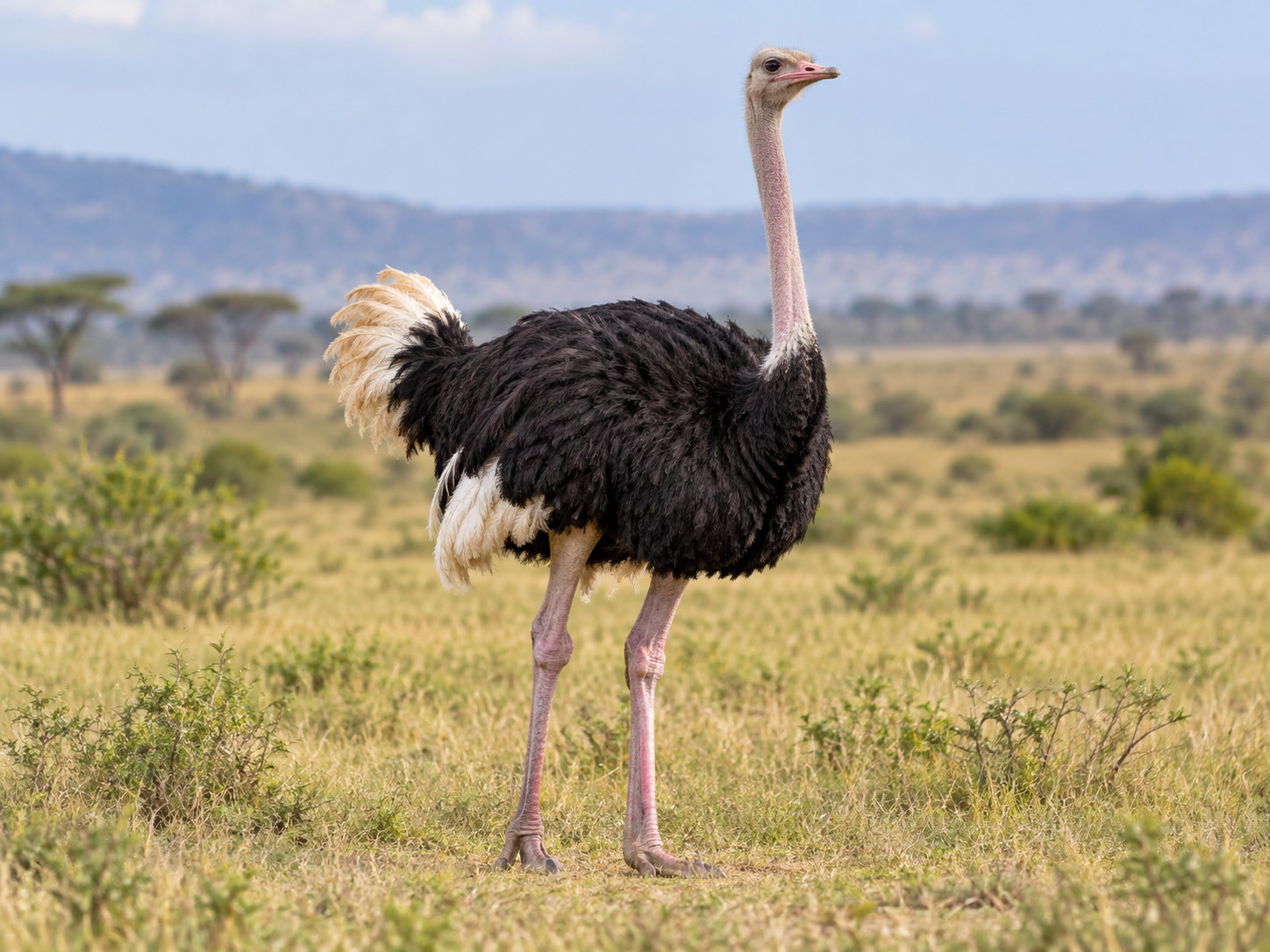
Ostrich
-
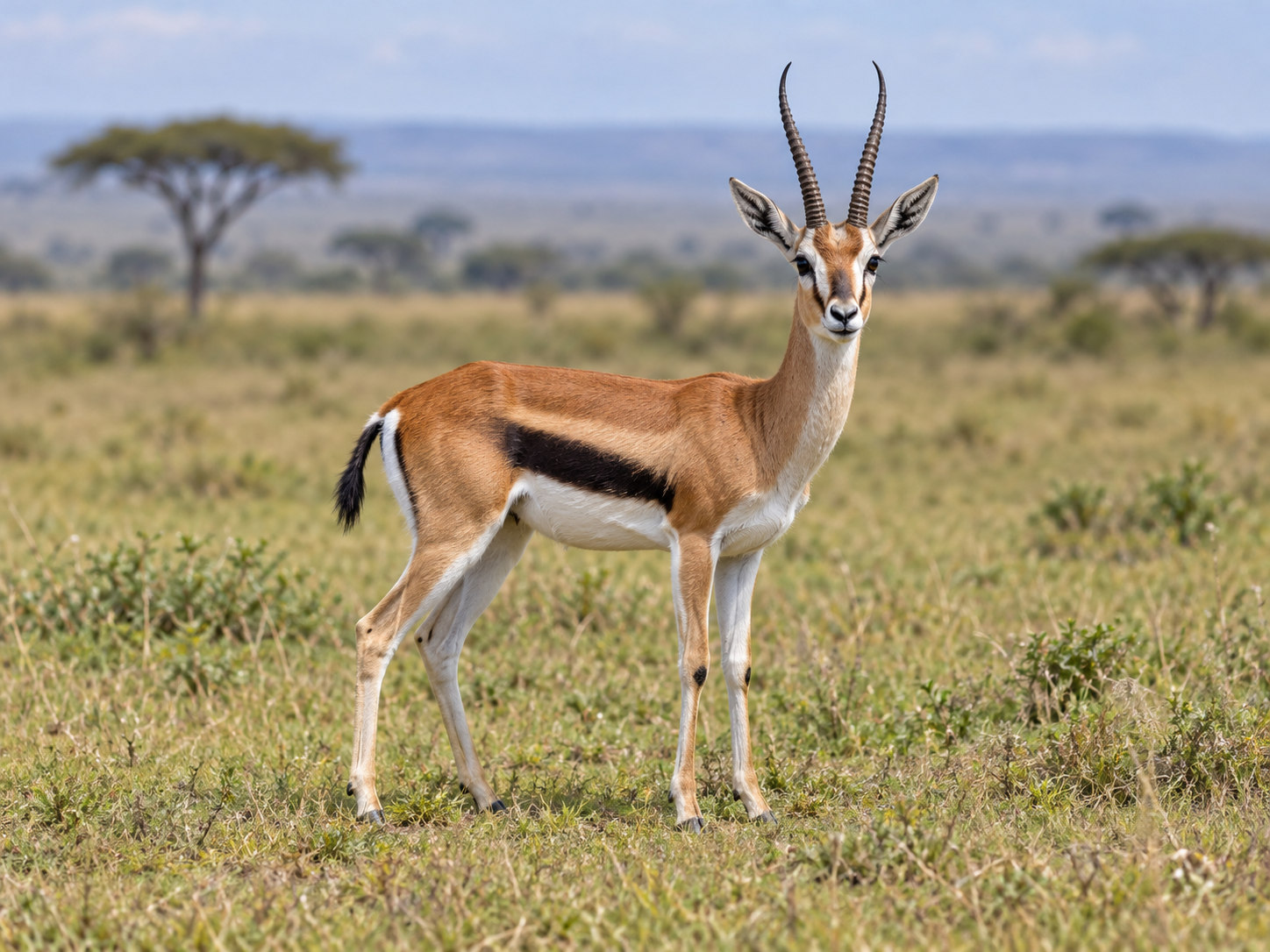
Gazelle
-
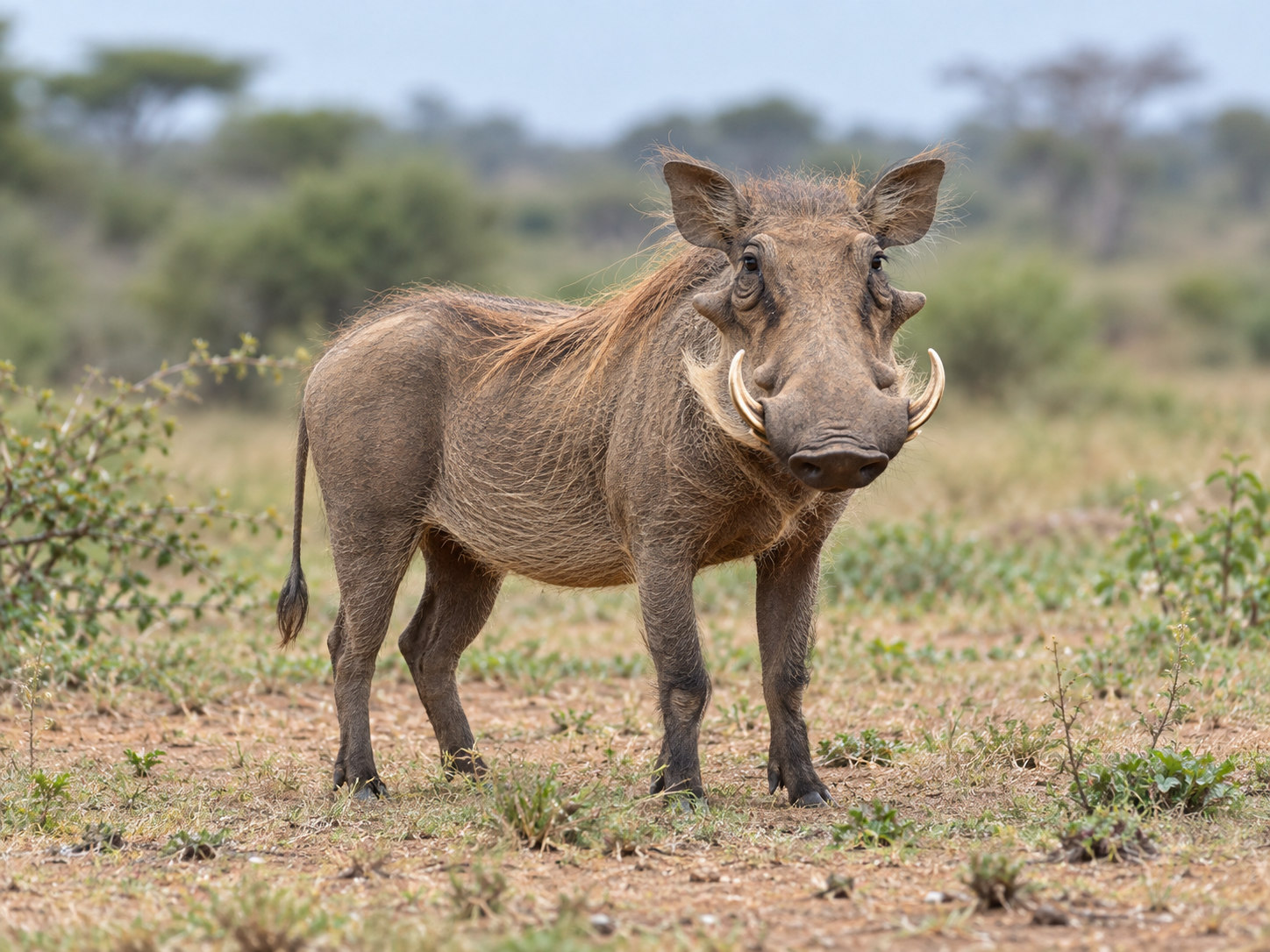
Warthog
Jungle
Tropical rainforests are warm and rainy, with many layers of plants.
Habitat fact reference: NASA
-
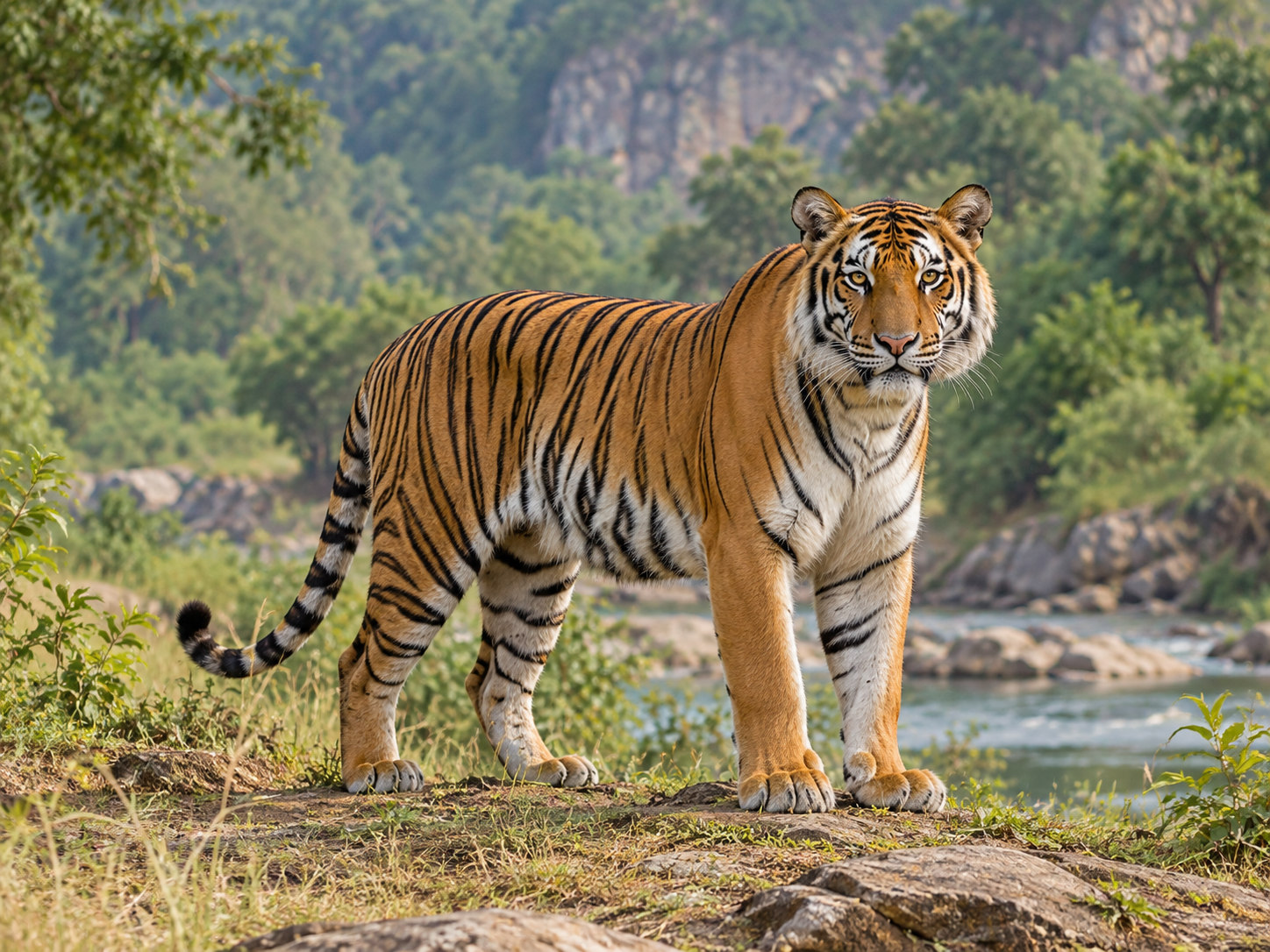
Tiger
-
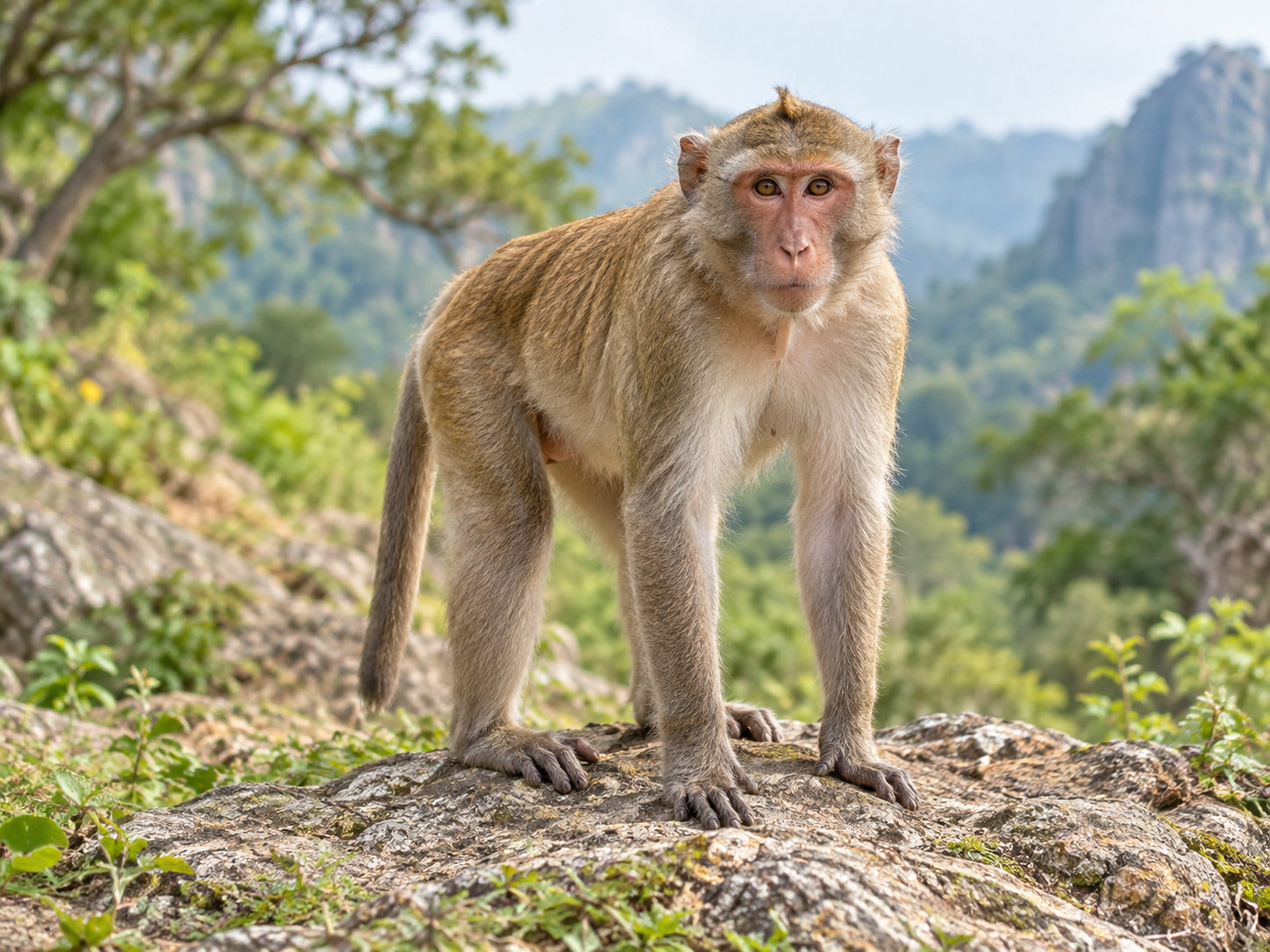
Monkey
-
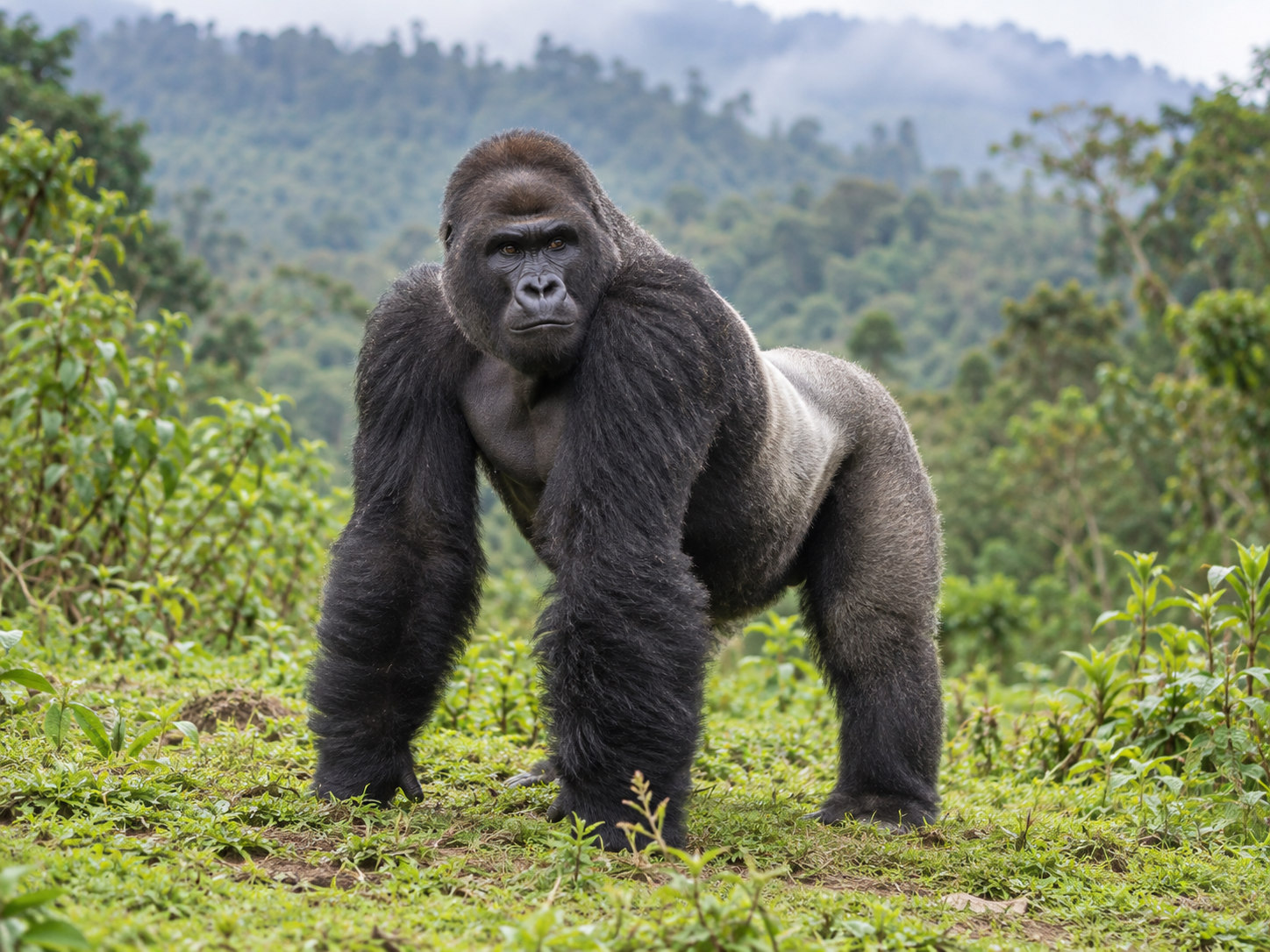
Gorilla
-
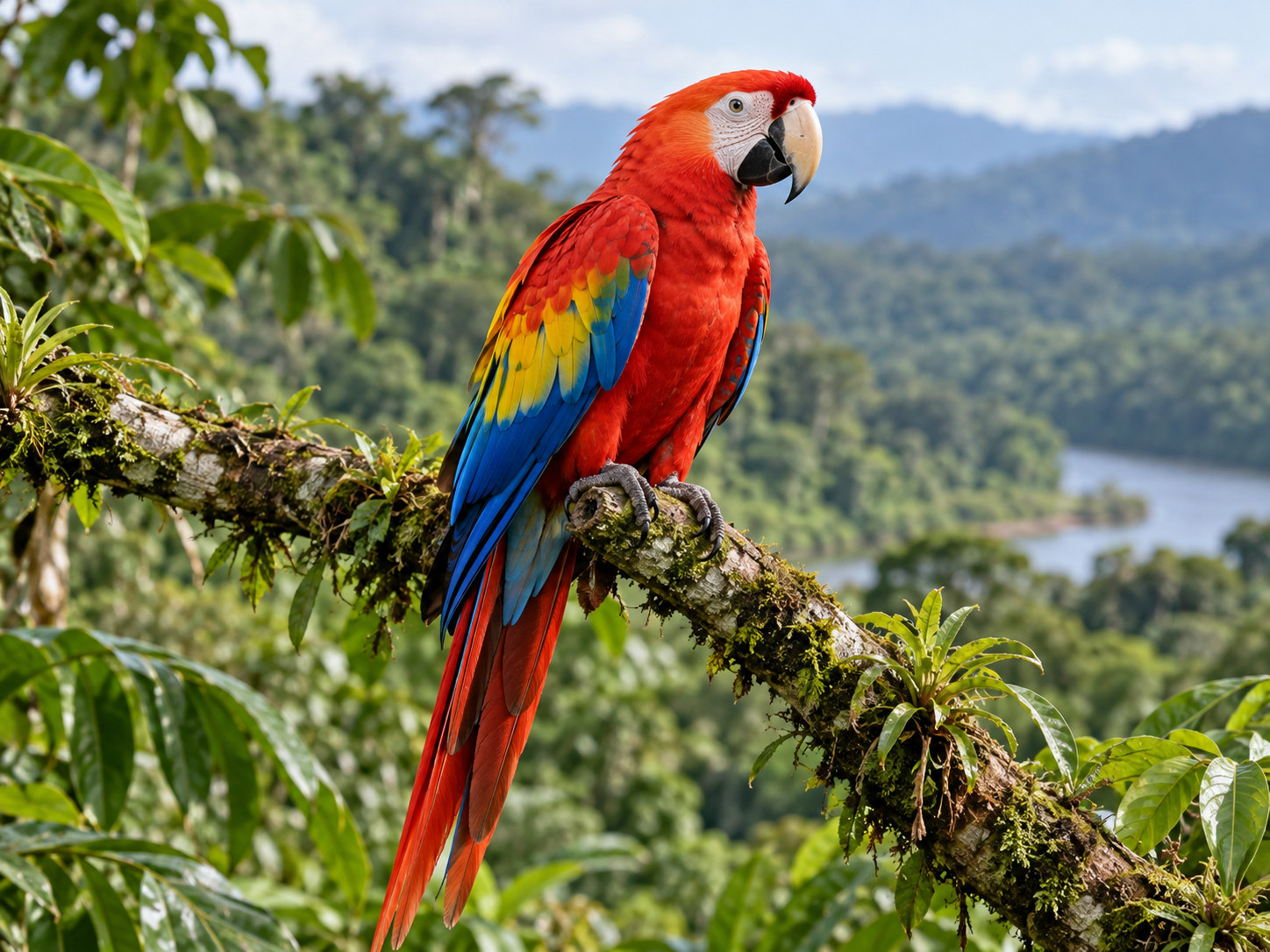
Parrot
-
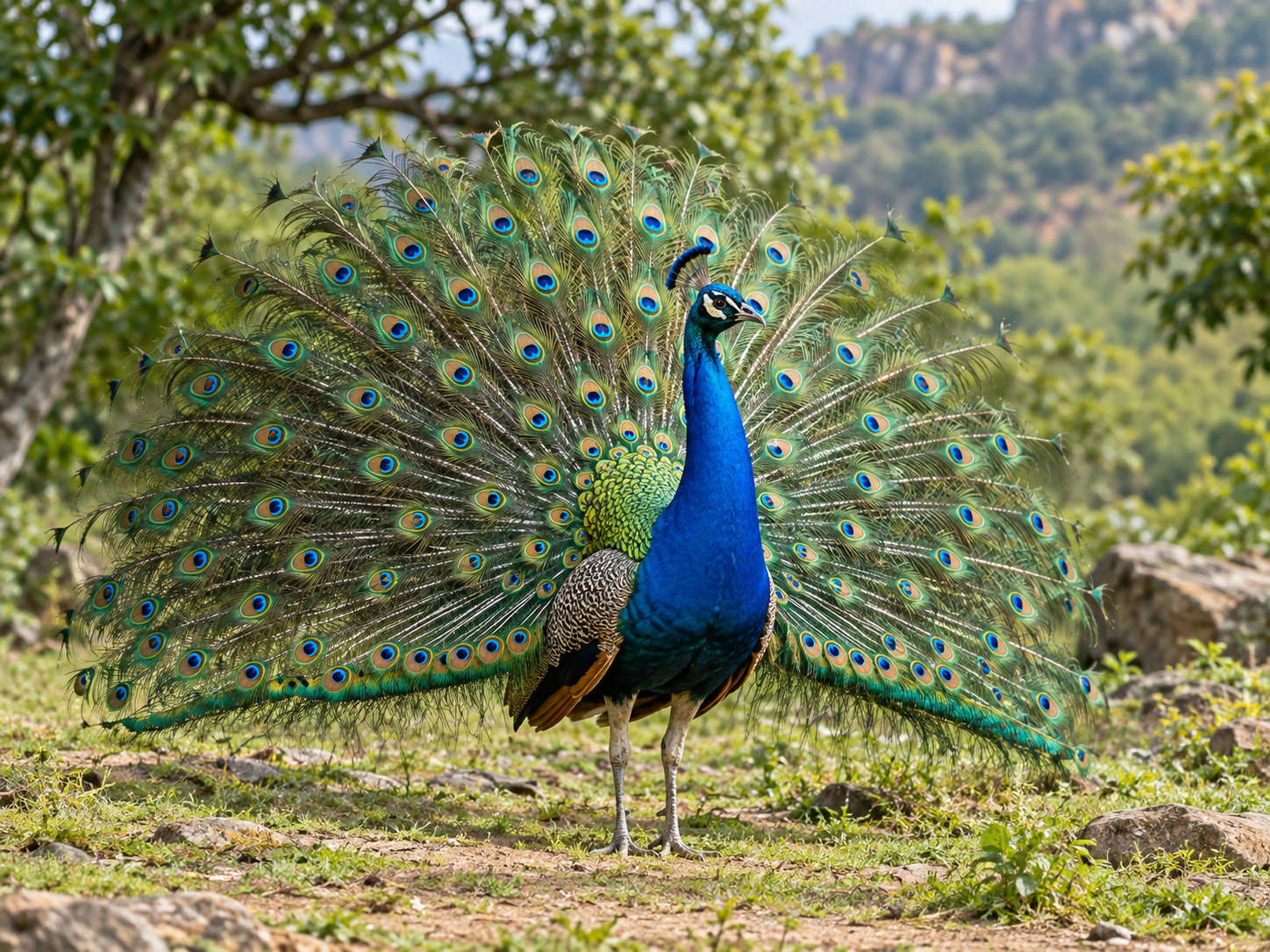
Peacock
-
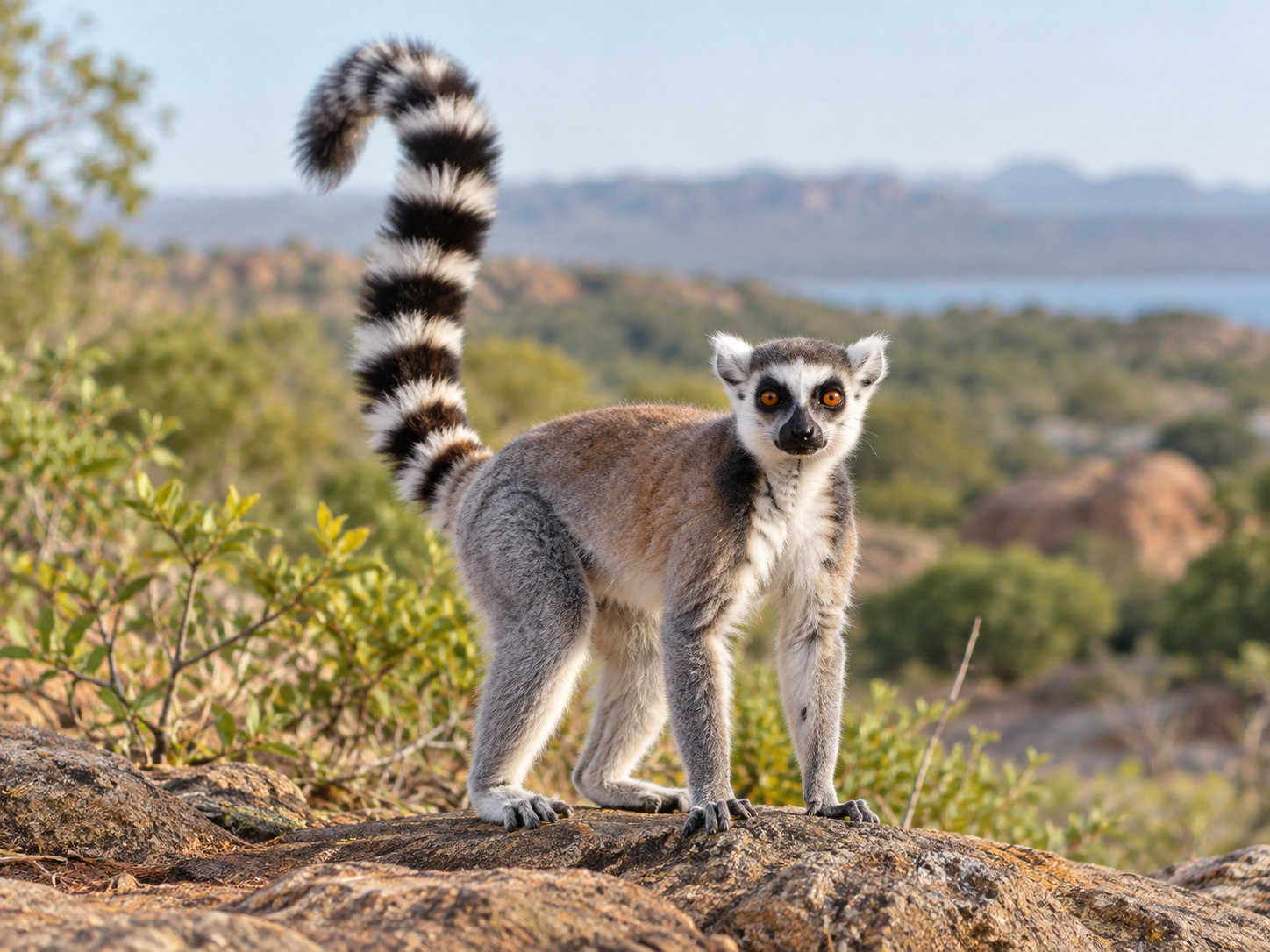
Lemur
-
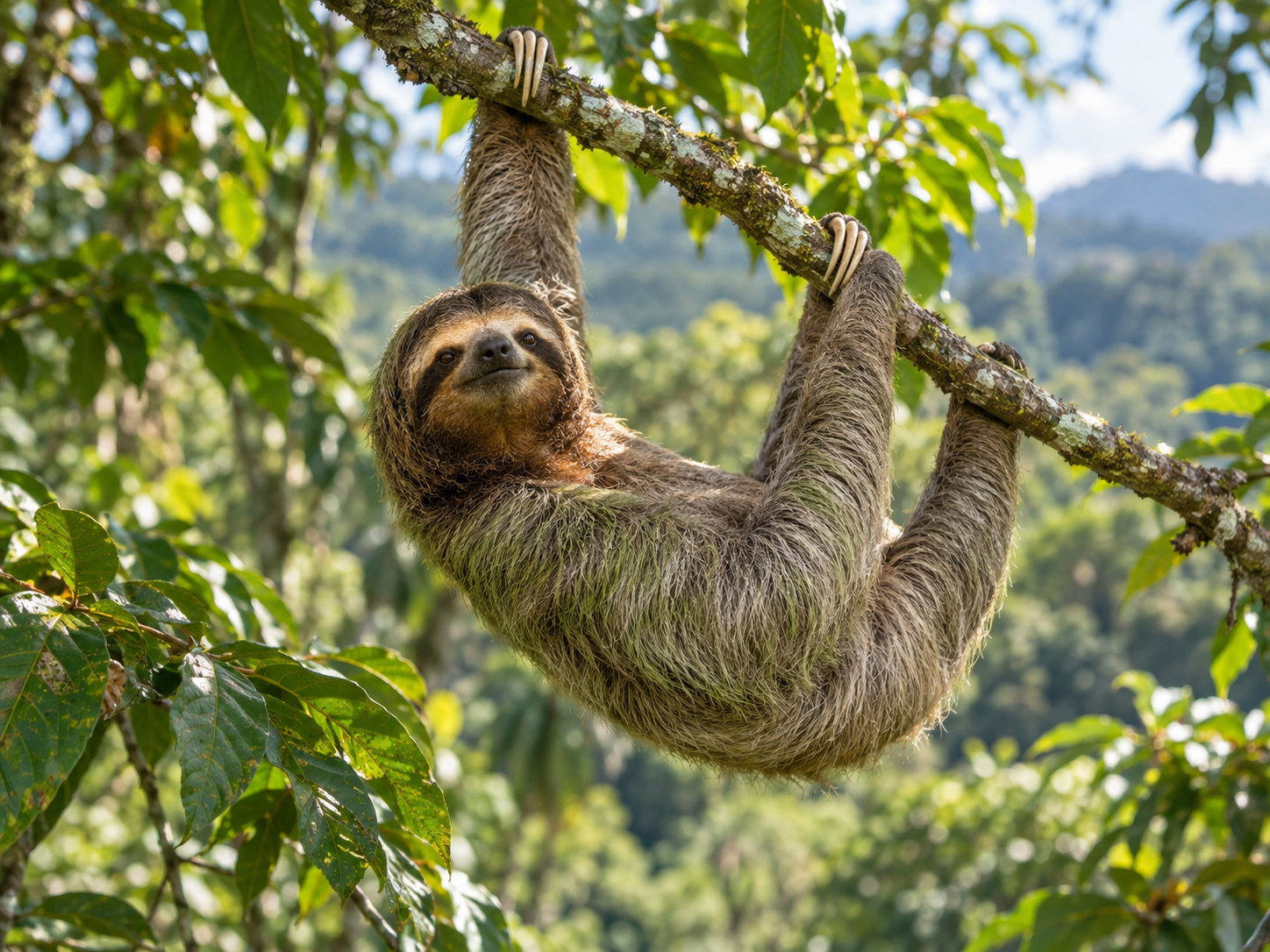
Sloth
-
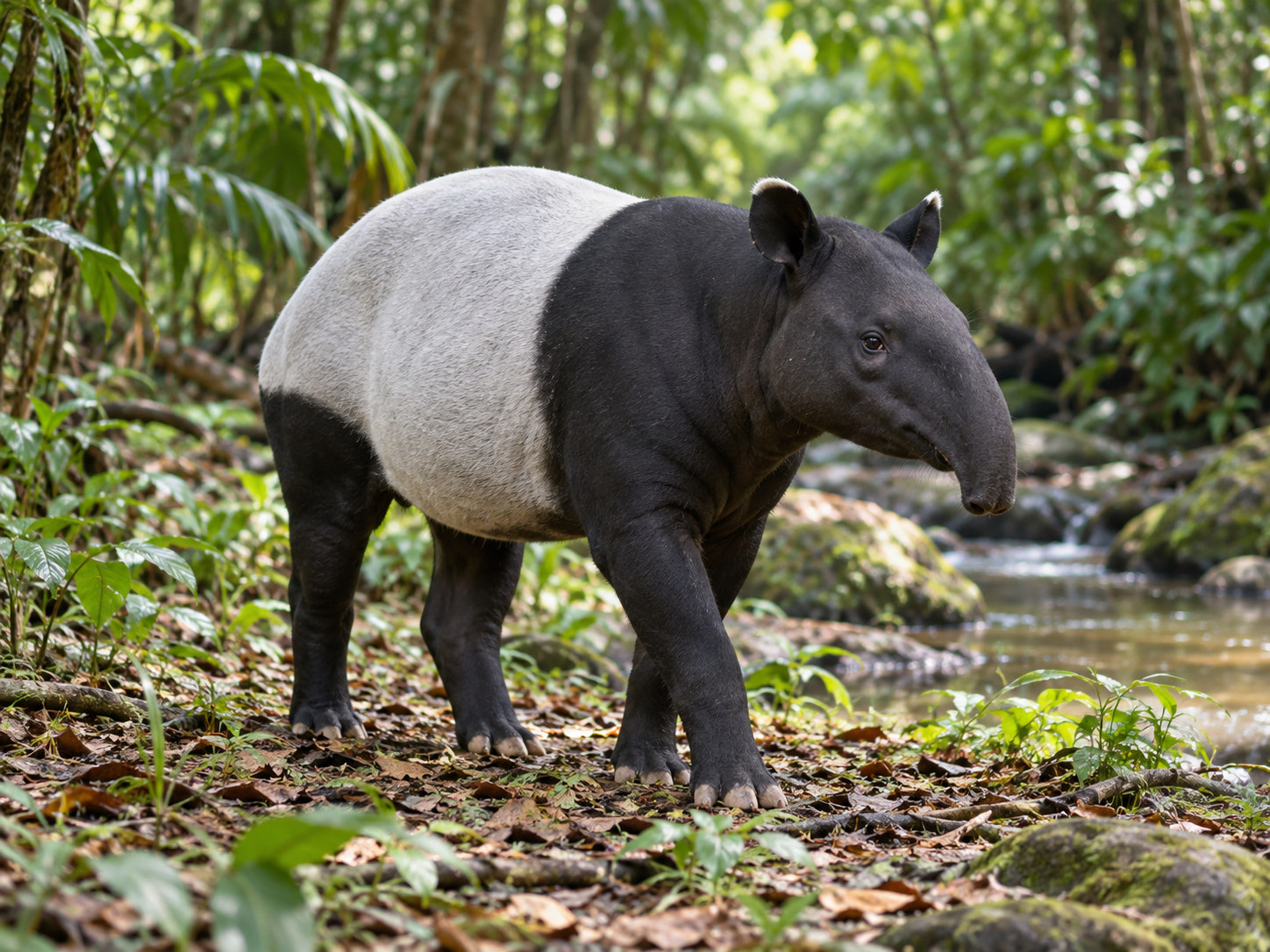
Tapir
-
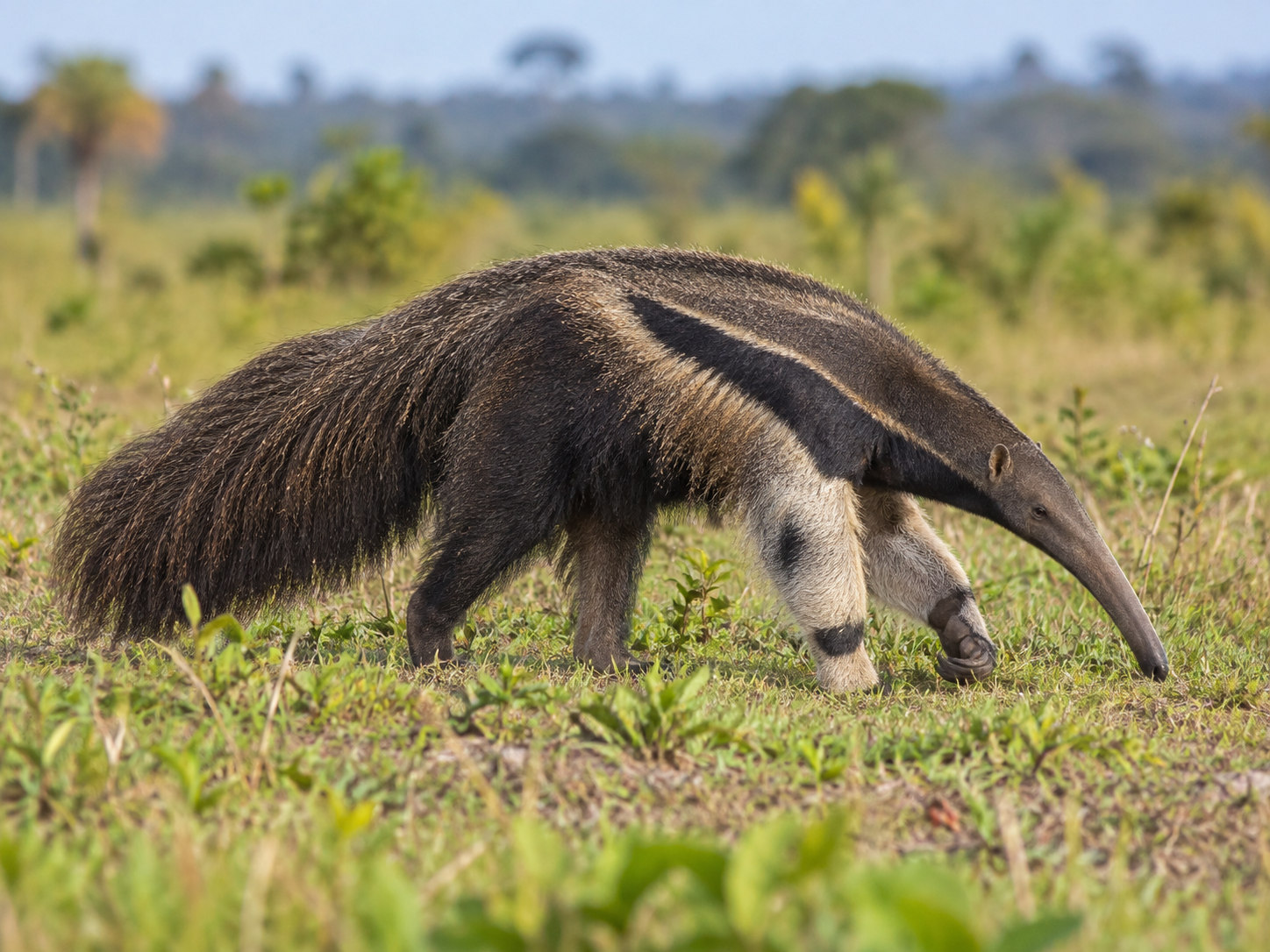
Anteater
-
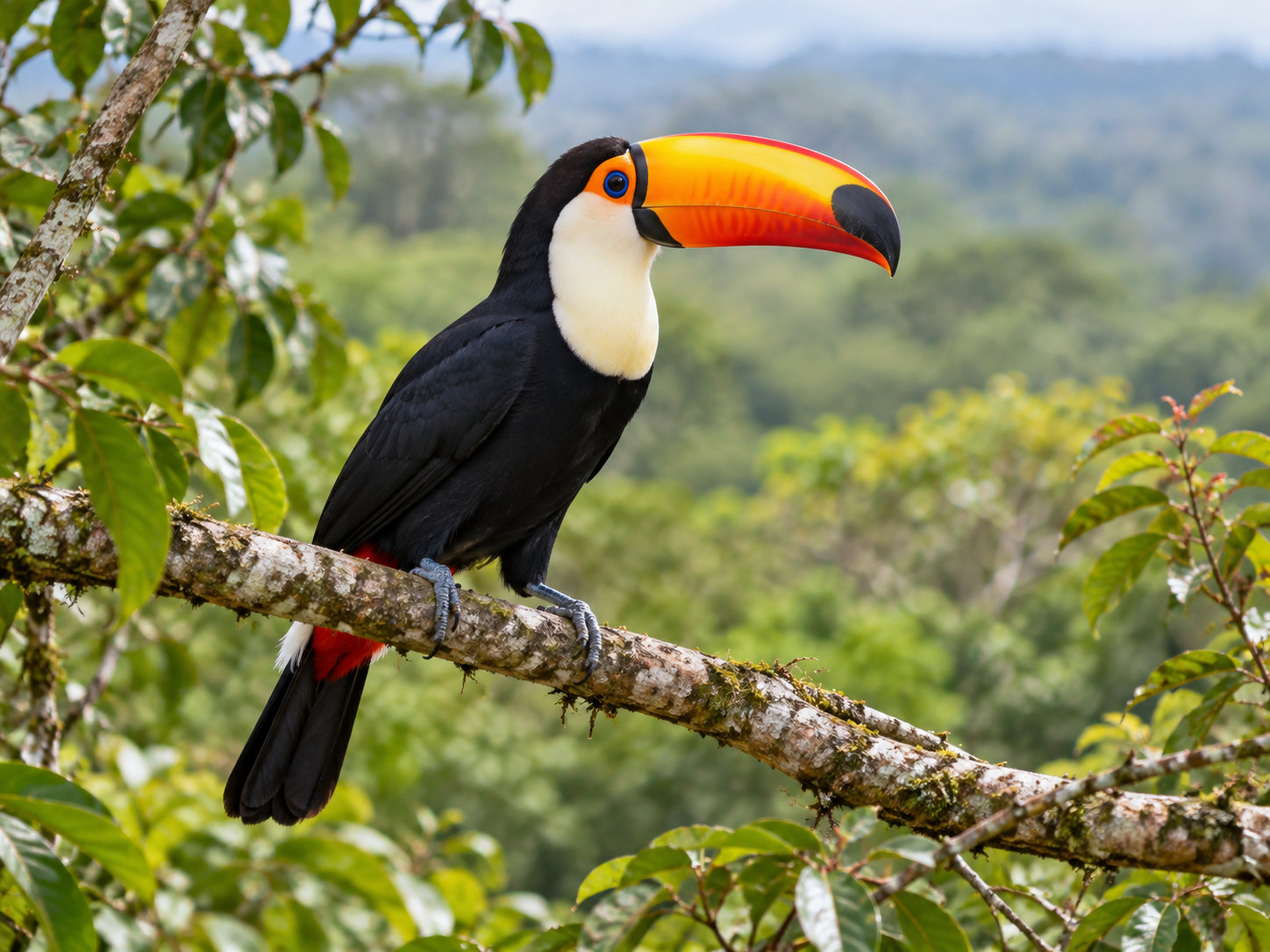
Toucan
Bamboo Forest
Giant pandas eat mostly bamboo in their mountain forest homes.
Habitat fact reference: San Diego Zoo Wildlife Alliance
-
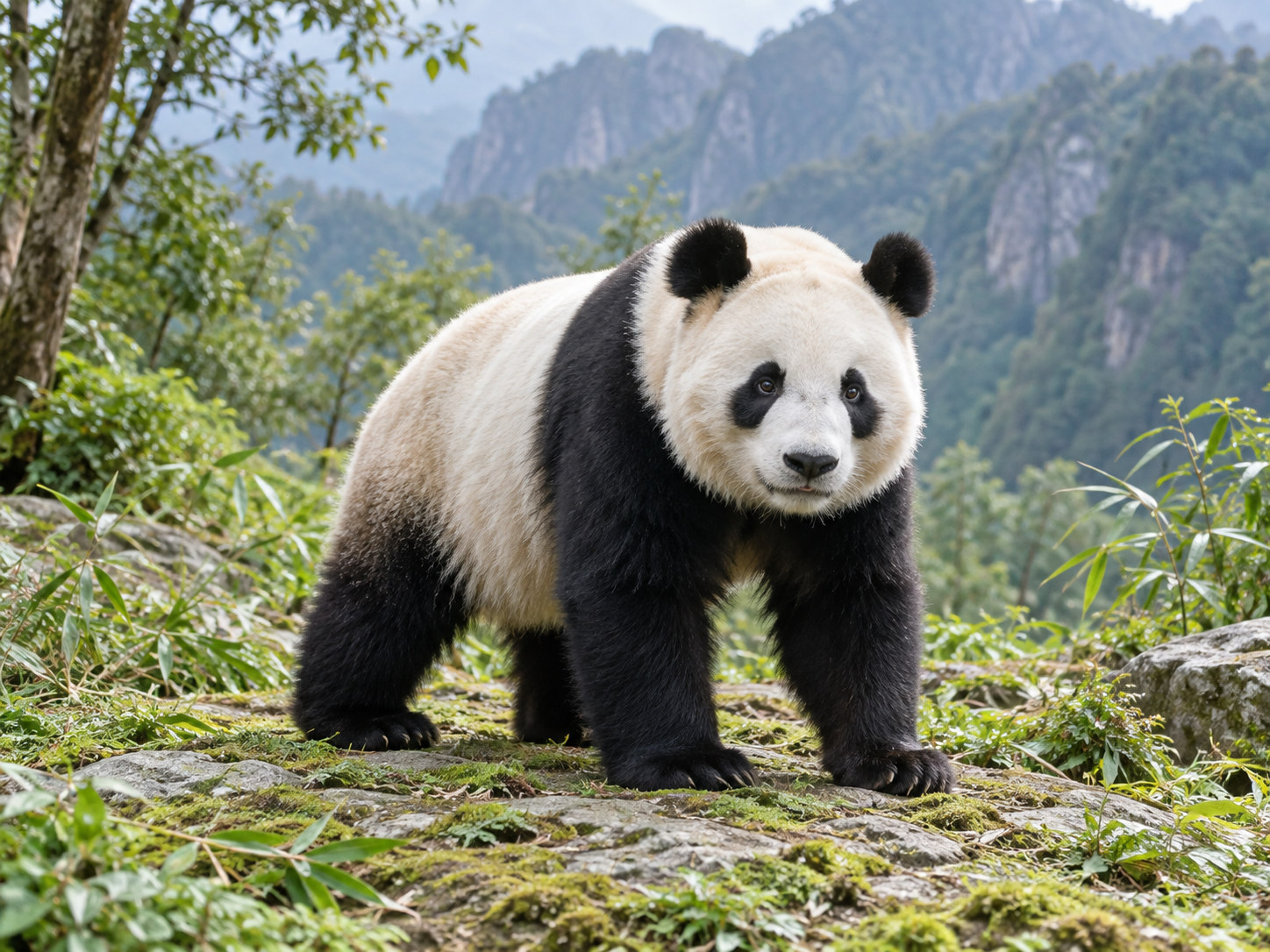
Panda
-
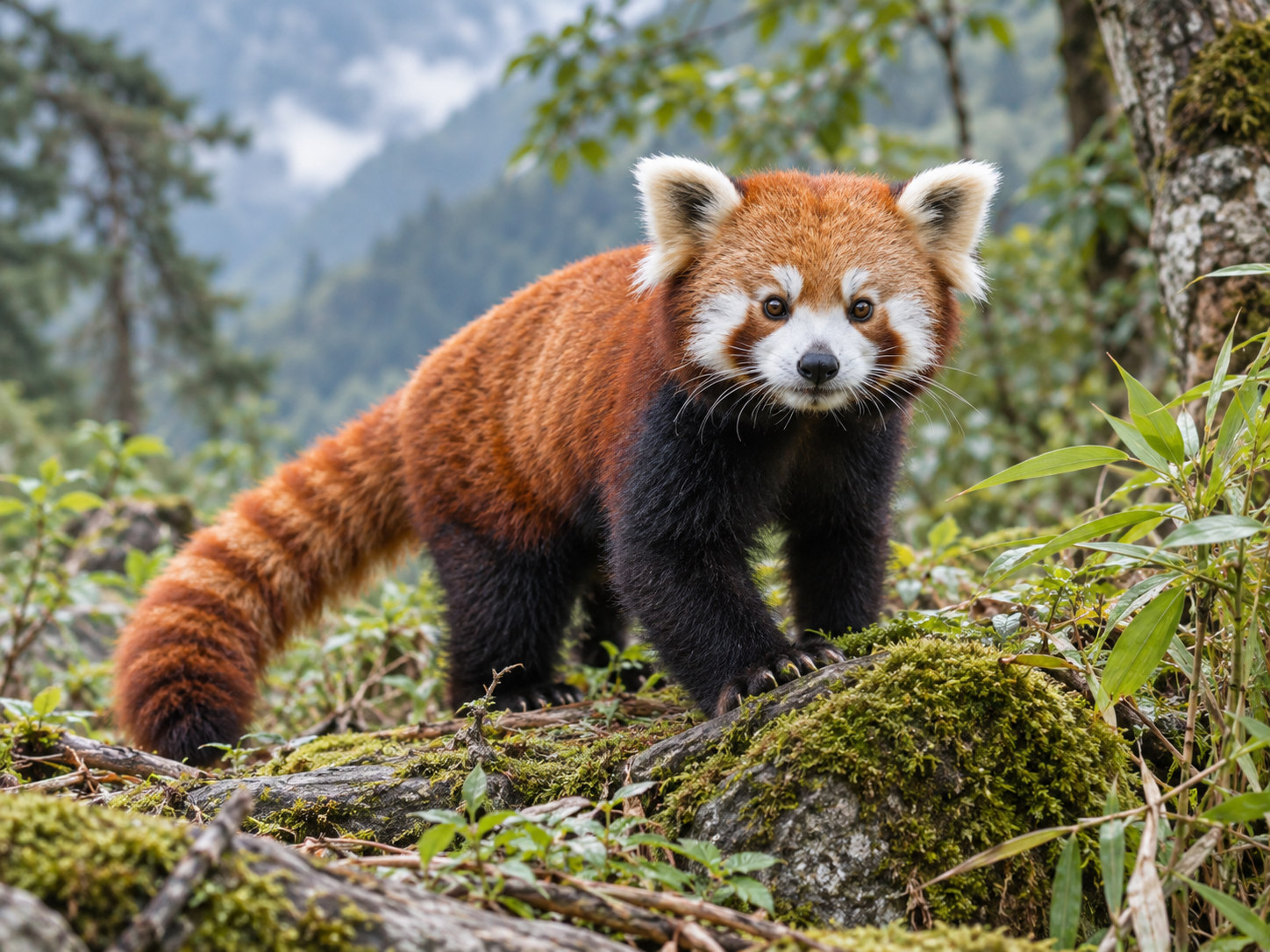
Red panda
Gum Trees
Koalas live in Australian woodlands and eat eucalyptus leaves.
Habitat fact reference: San Diego Zoo Wildlife Alliance
-
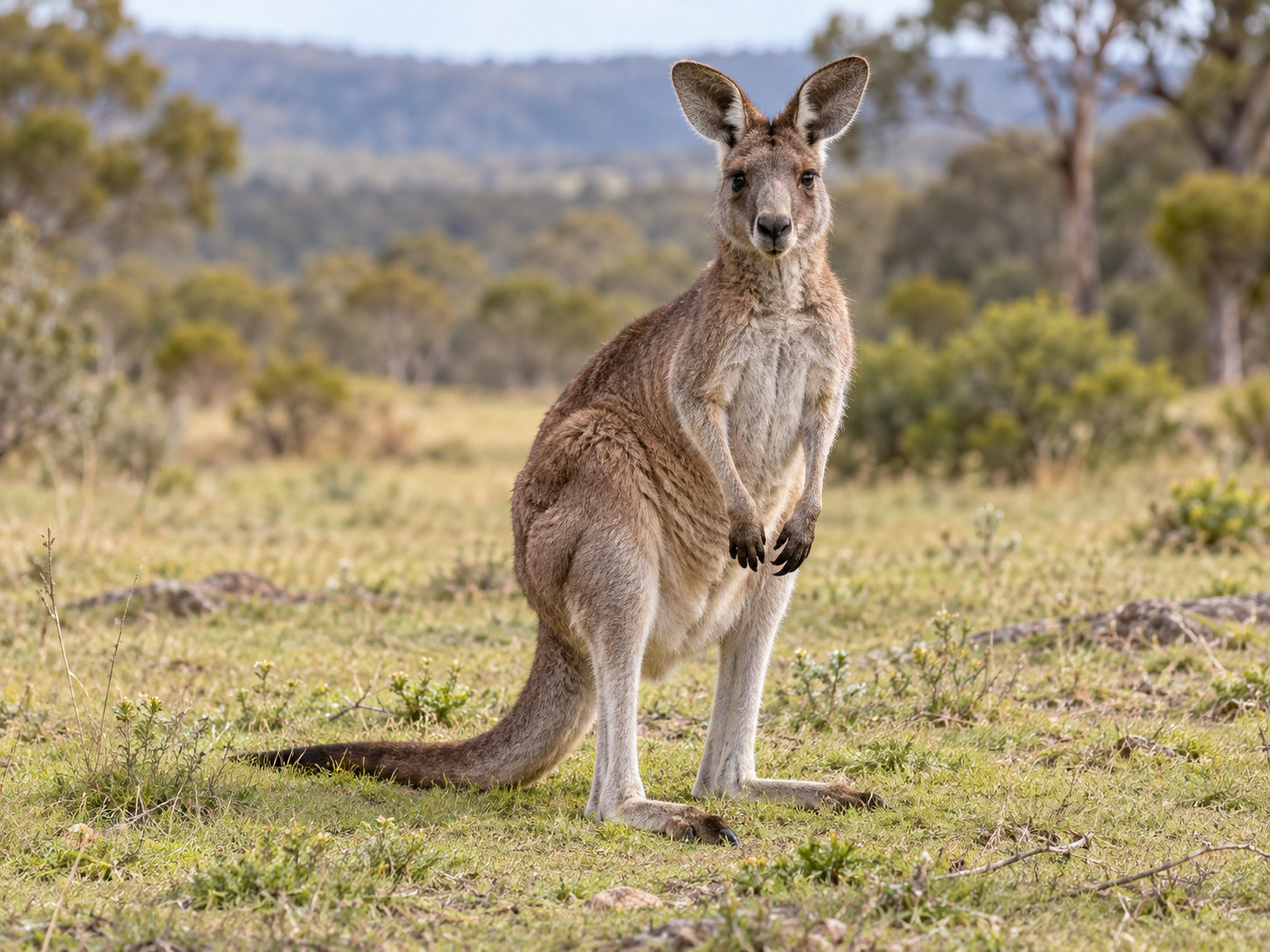
Kangaroo
-
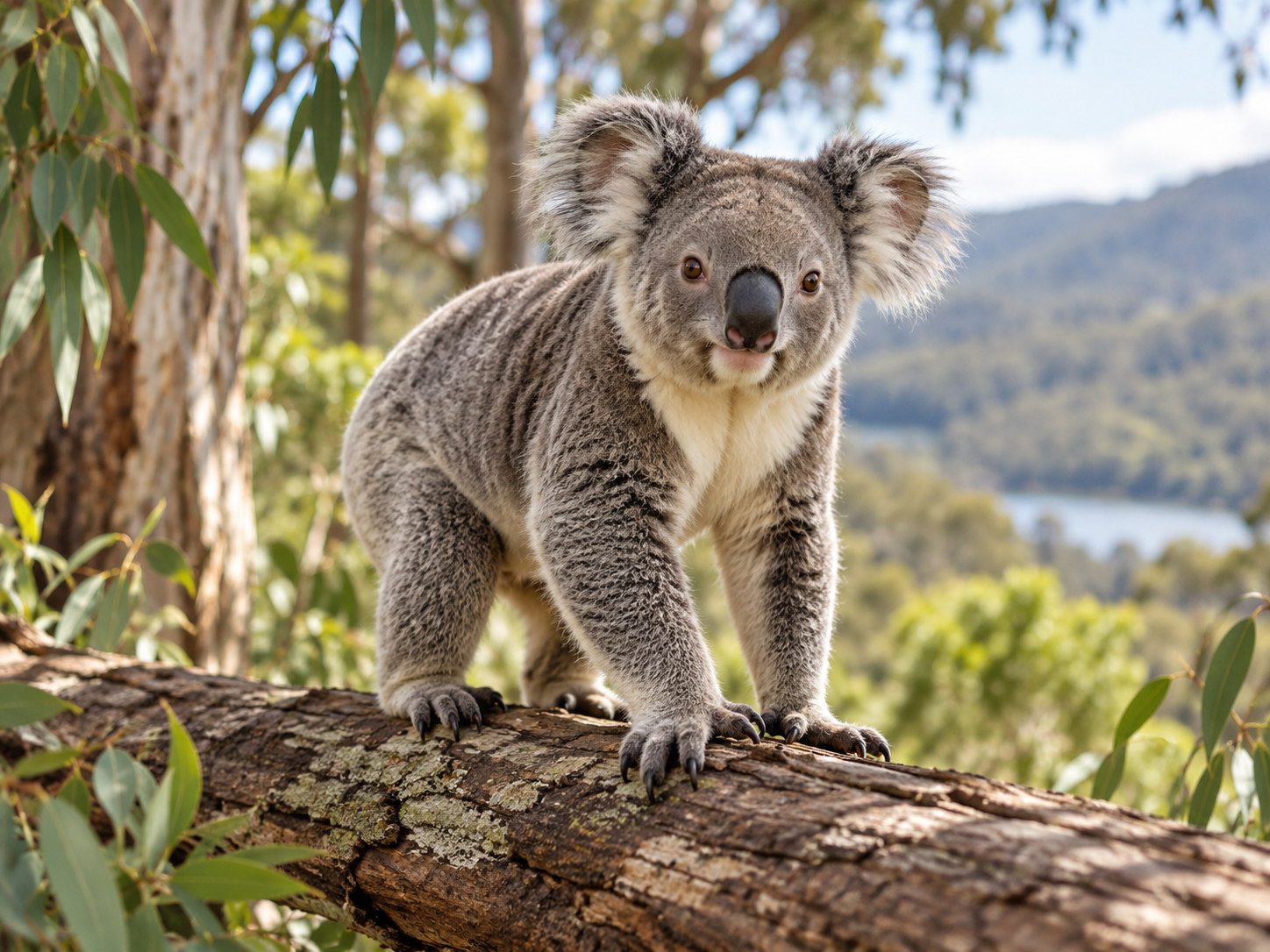
Koala
-
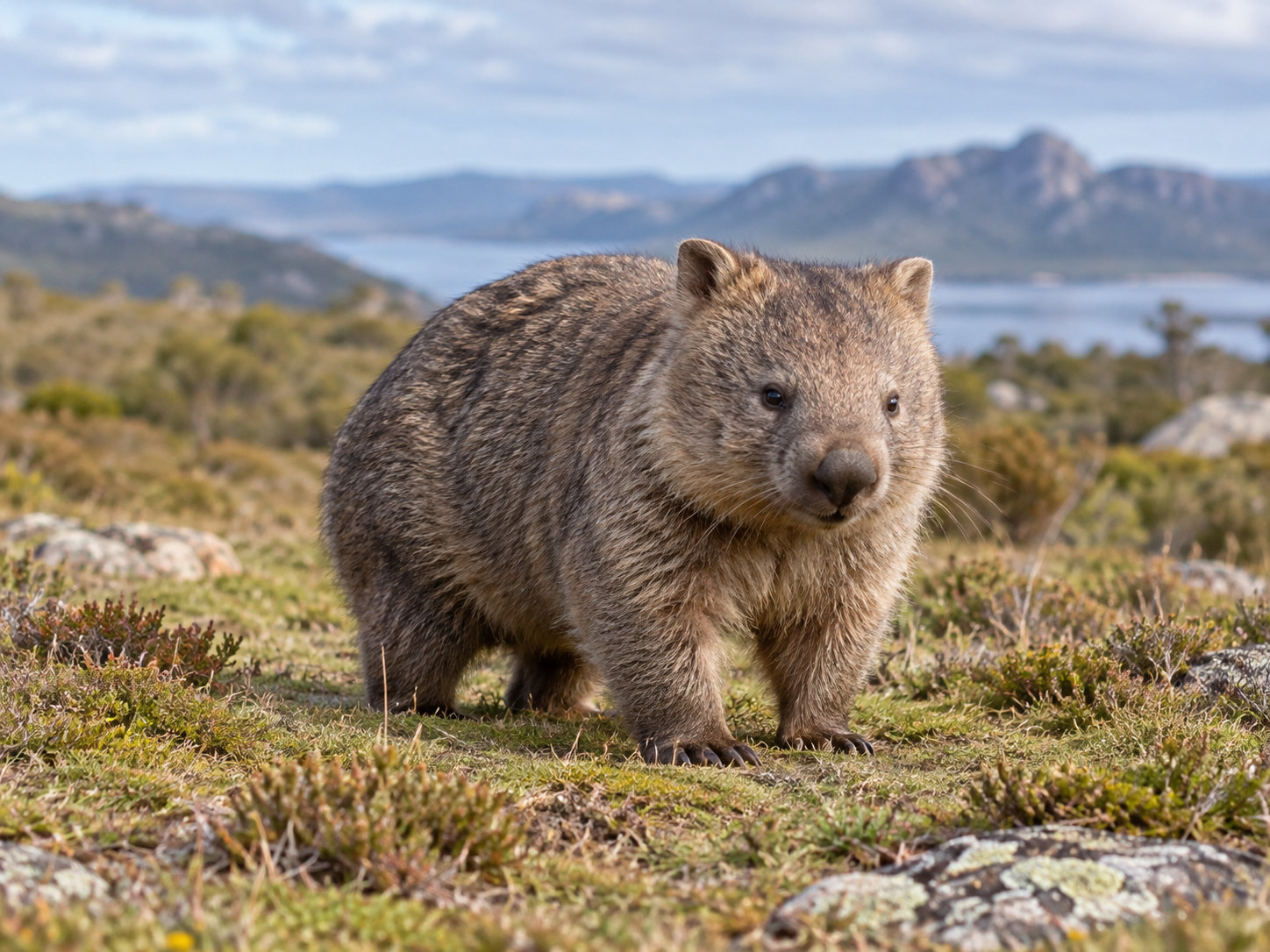
Wombat
-
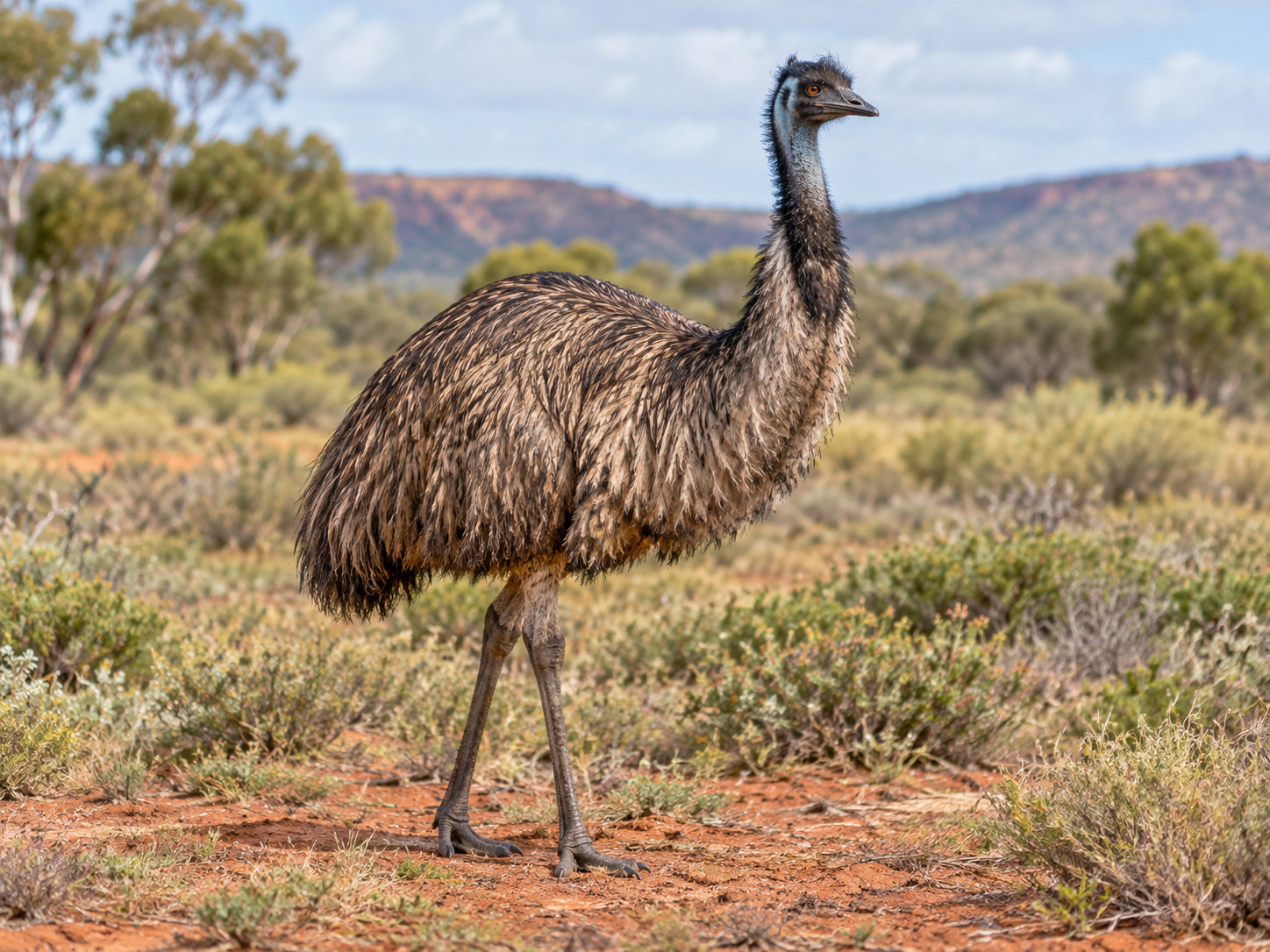
Emu
Desert
Deserts get very little rain, and some deserts are cold.
Habitat fact reference: NASA
-
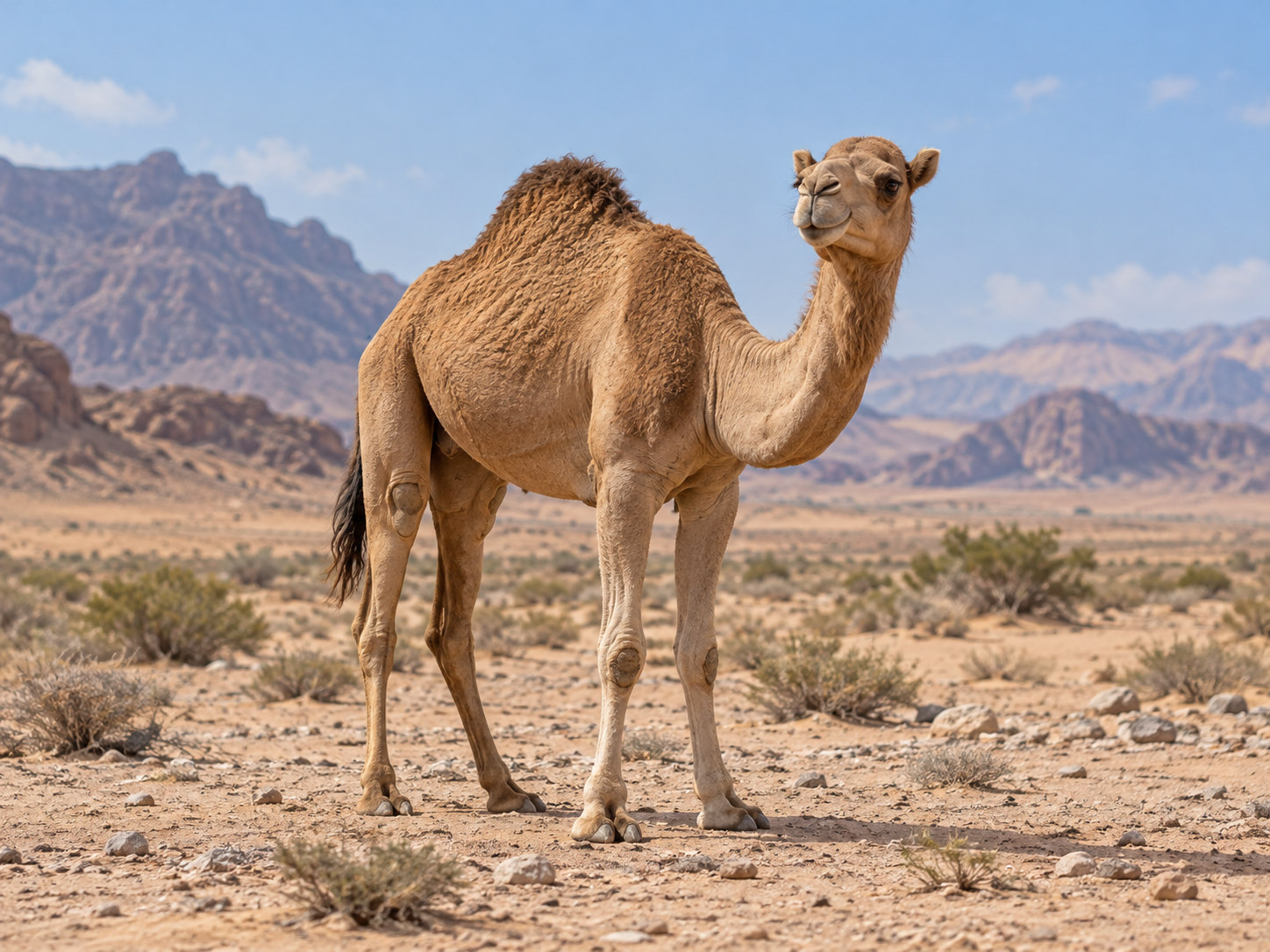
Camel
-
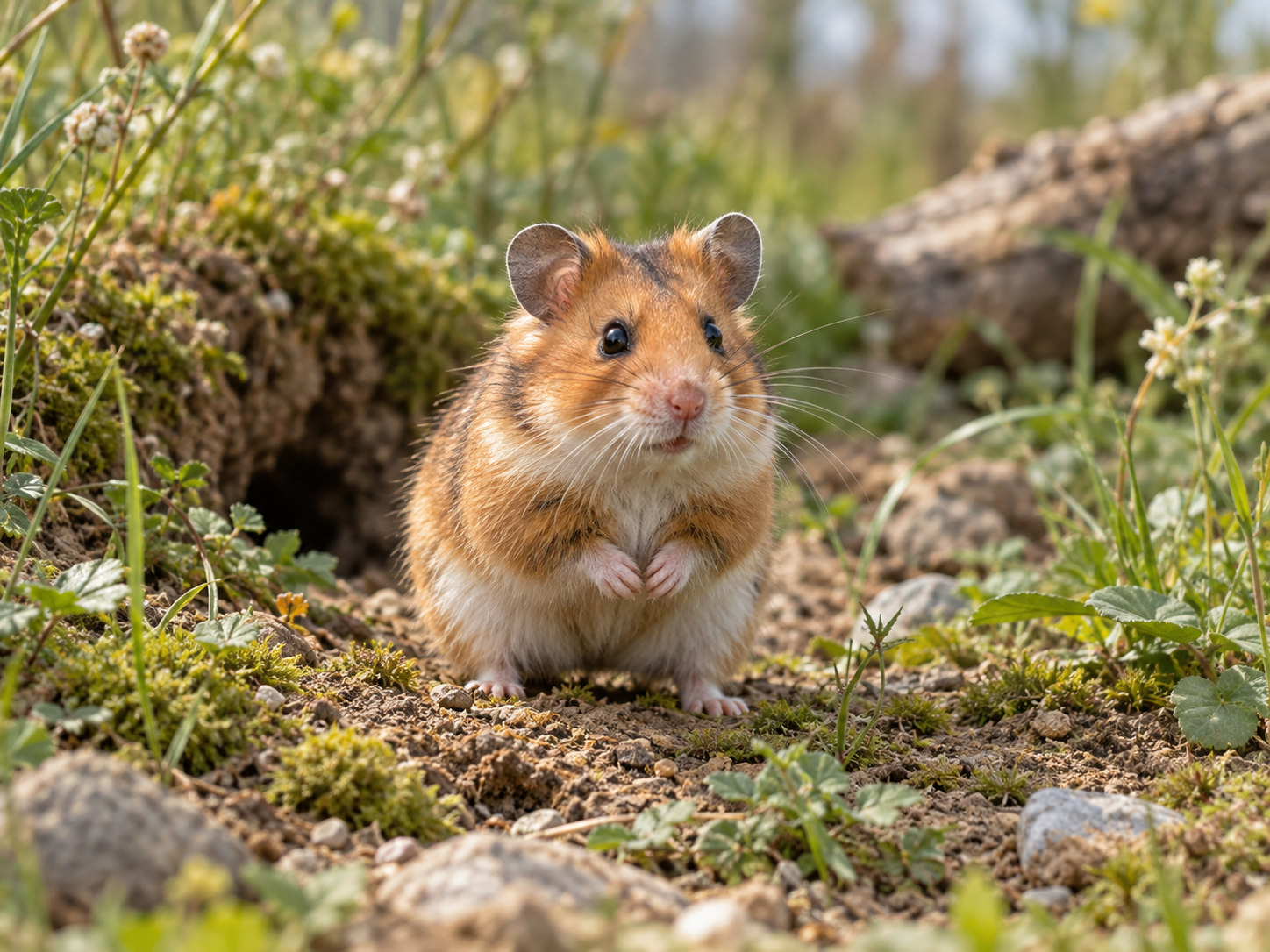
Hamster
-
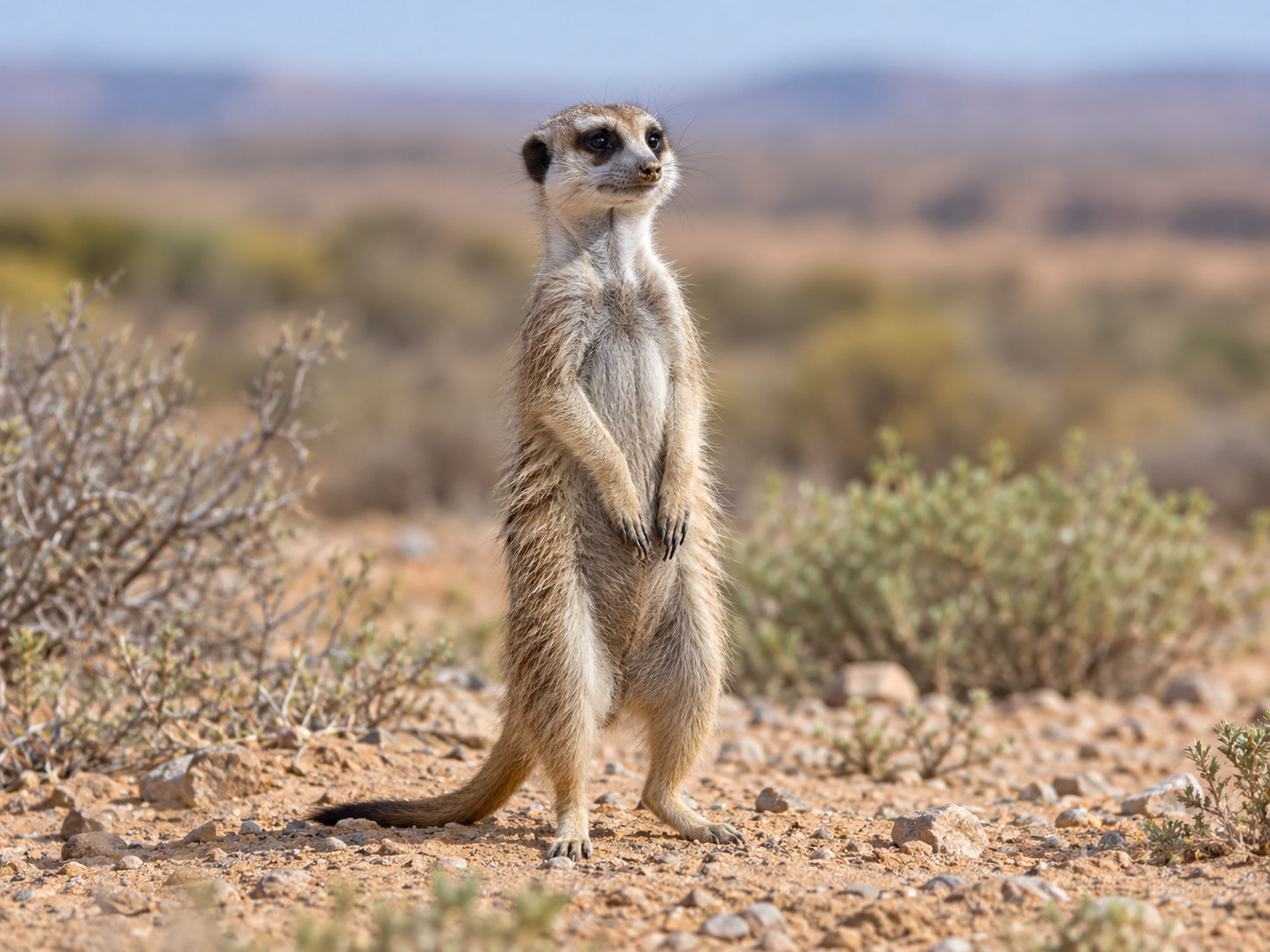
Meerkat
-
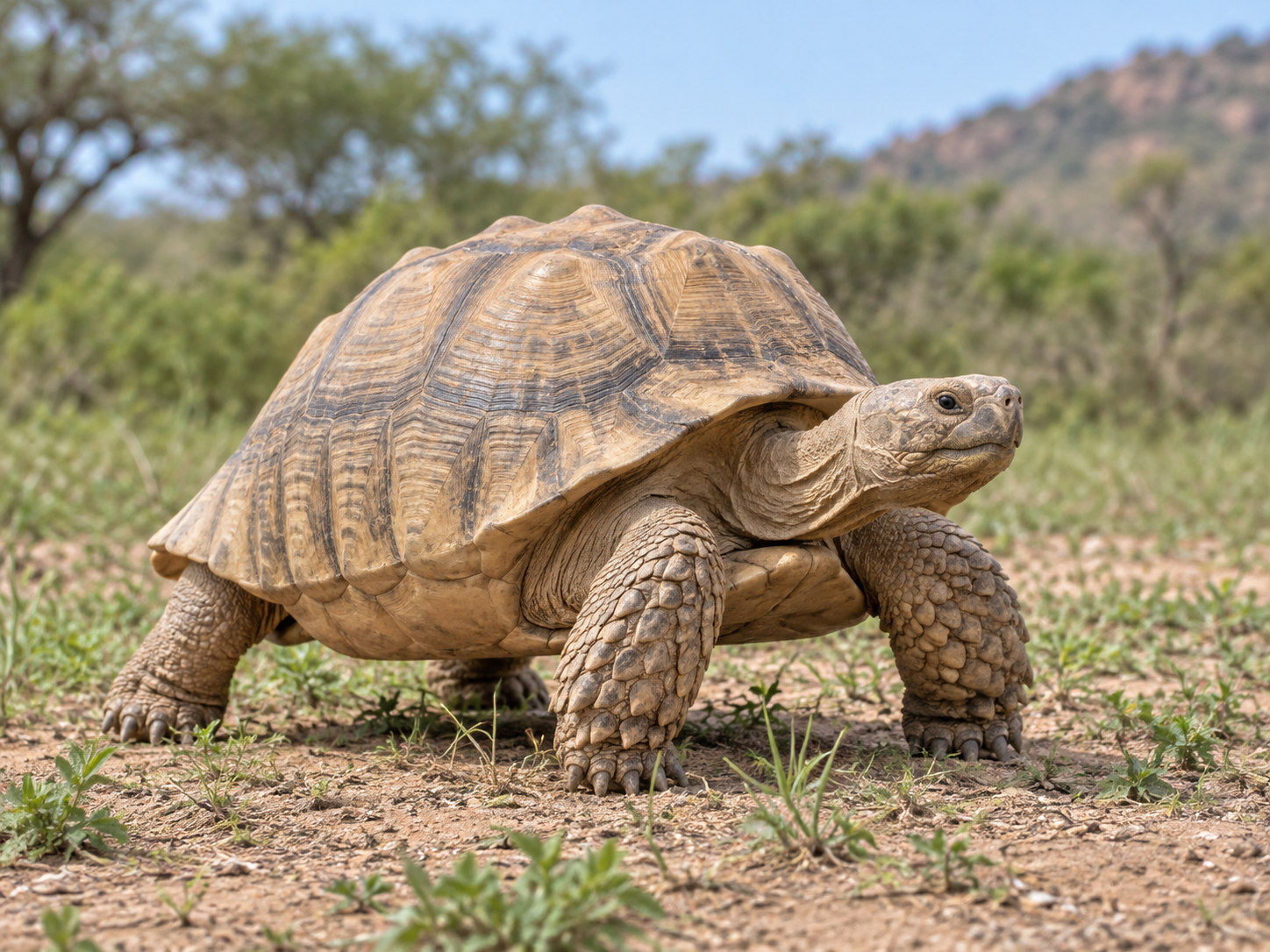
Tortoise
Mountains
As you climb a mountain, the air usually gets colder.
Habitat fact reference: National Park Service
-
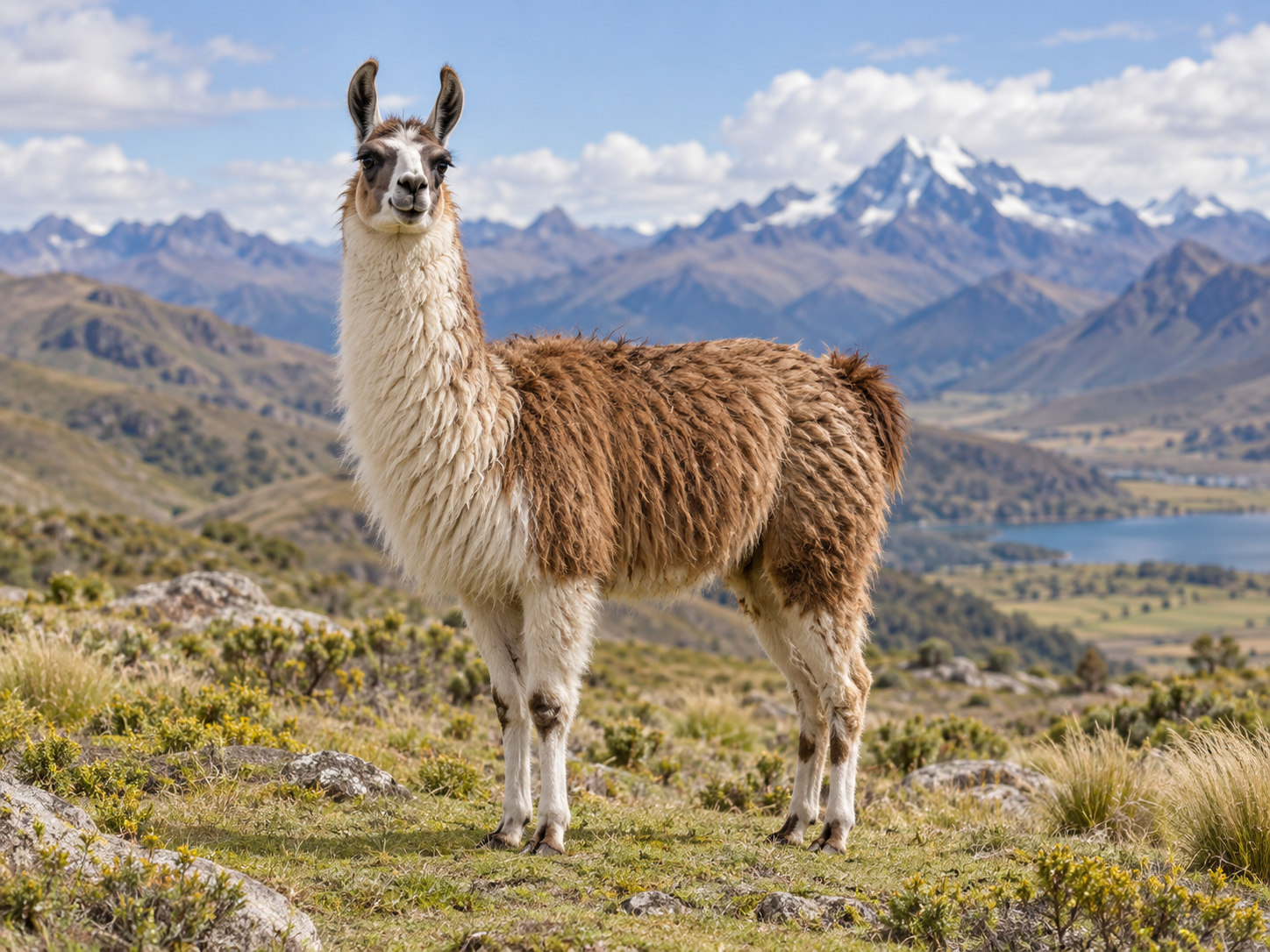
Llama
-
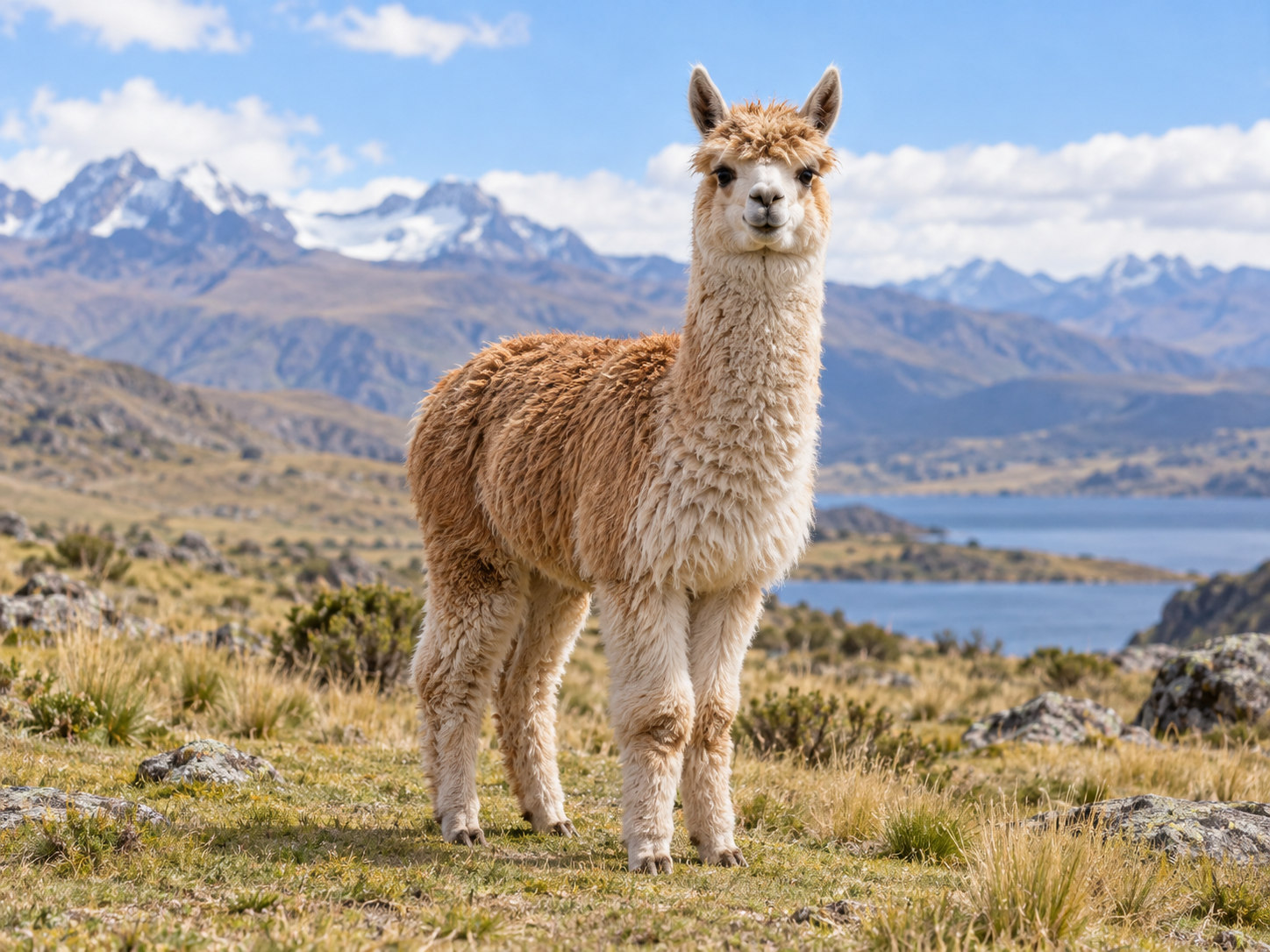
Alpaca
-
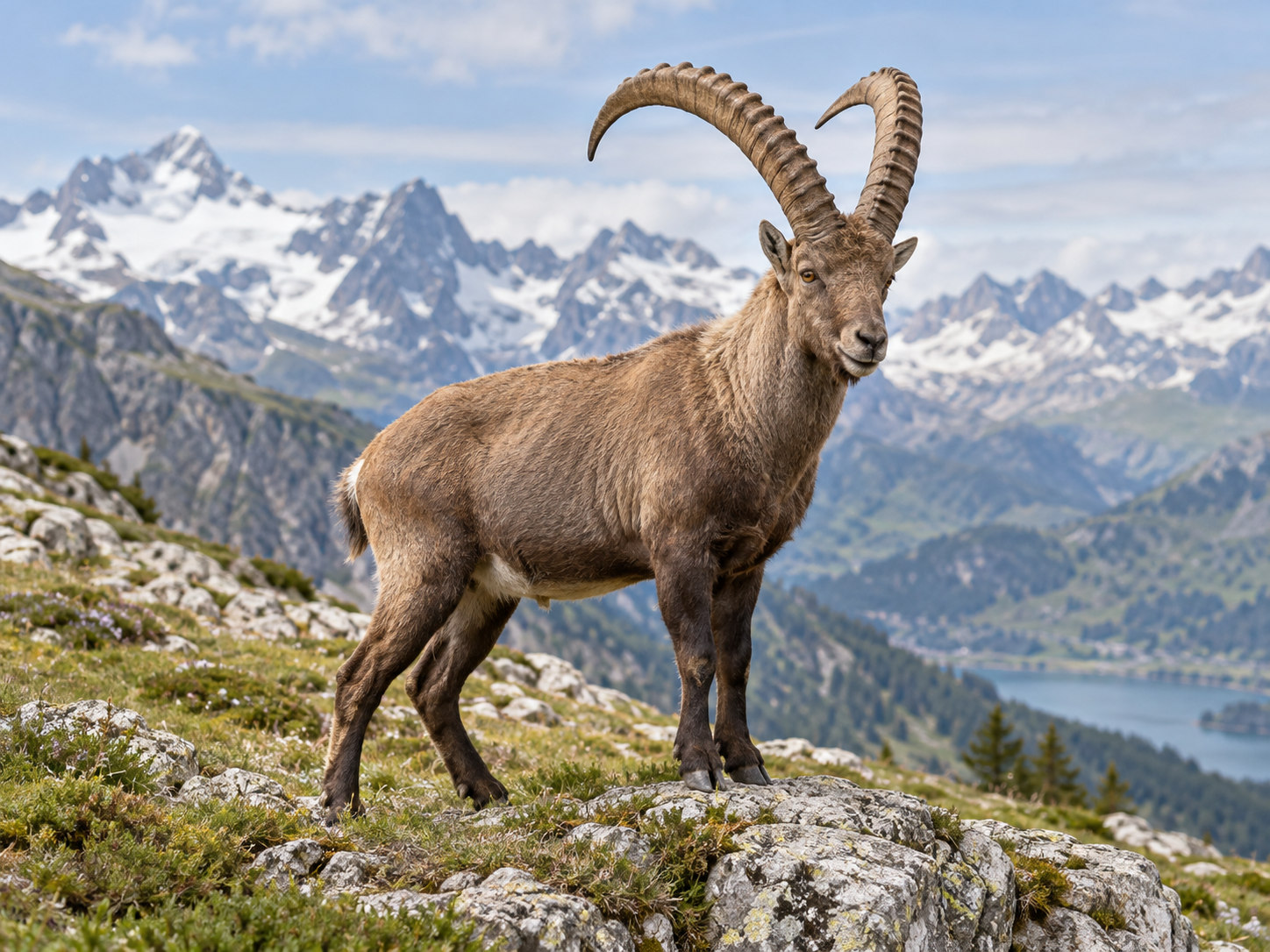
Ibex
Wetland
Wetlands have ground that stays wet for all or part of the year.
Habitat fact reference: U.S. Environmental Protection Agency
-
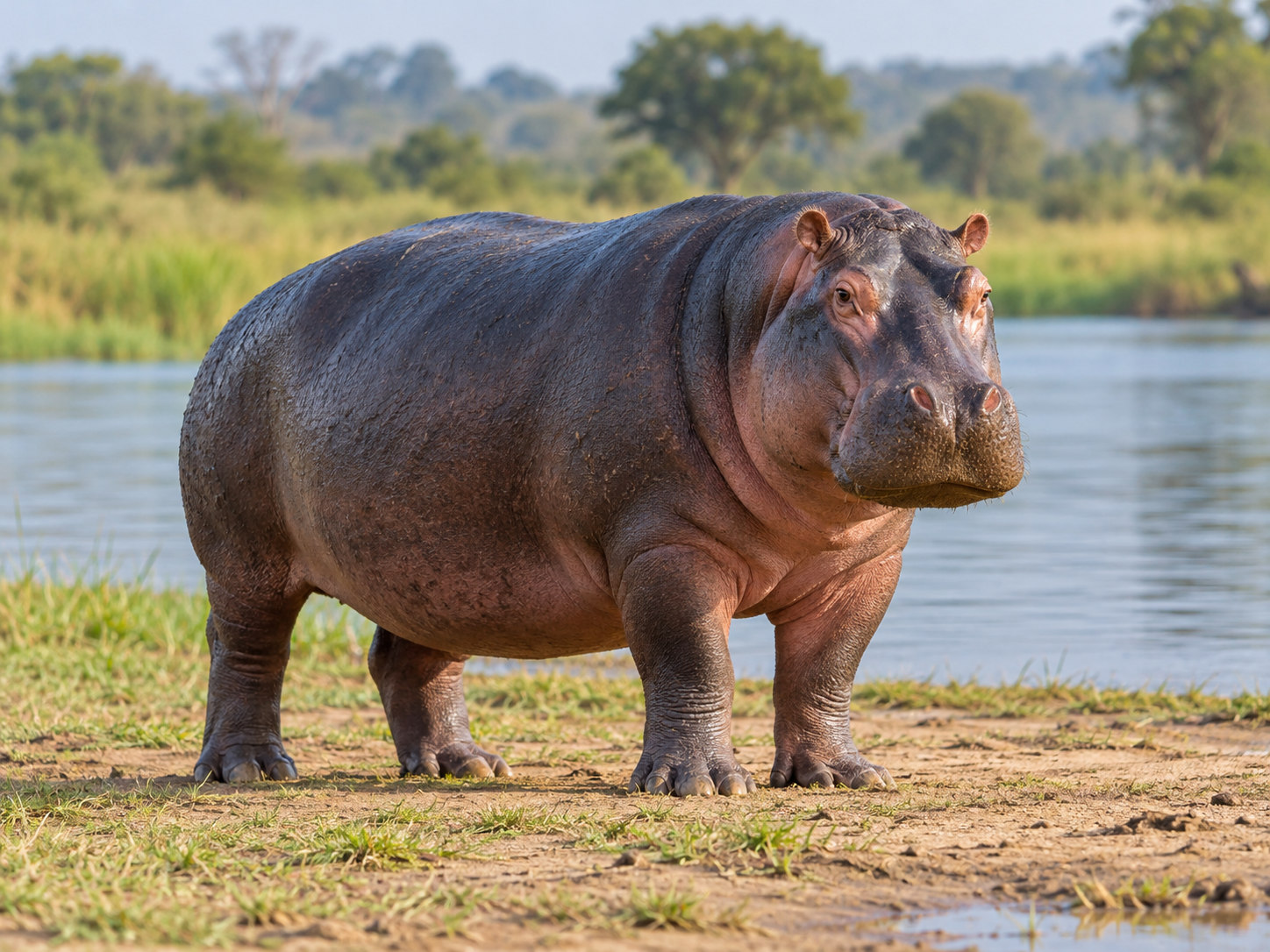
Hippopotamus
-
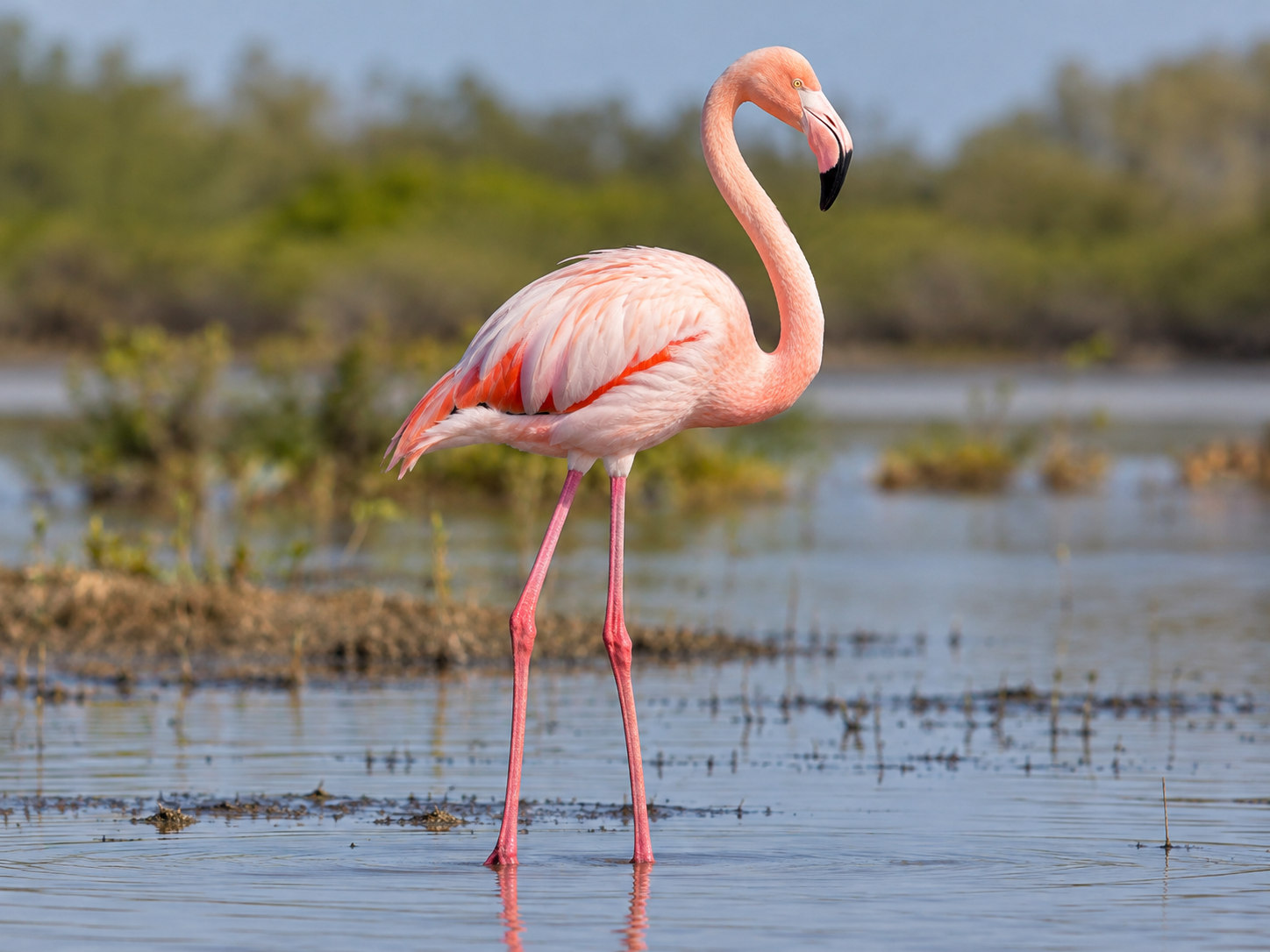
Flamingo
-
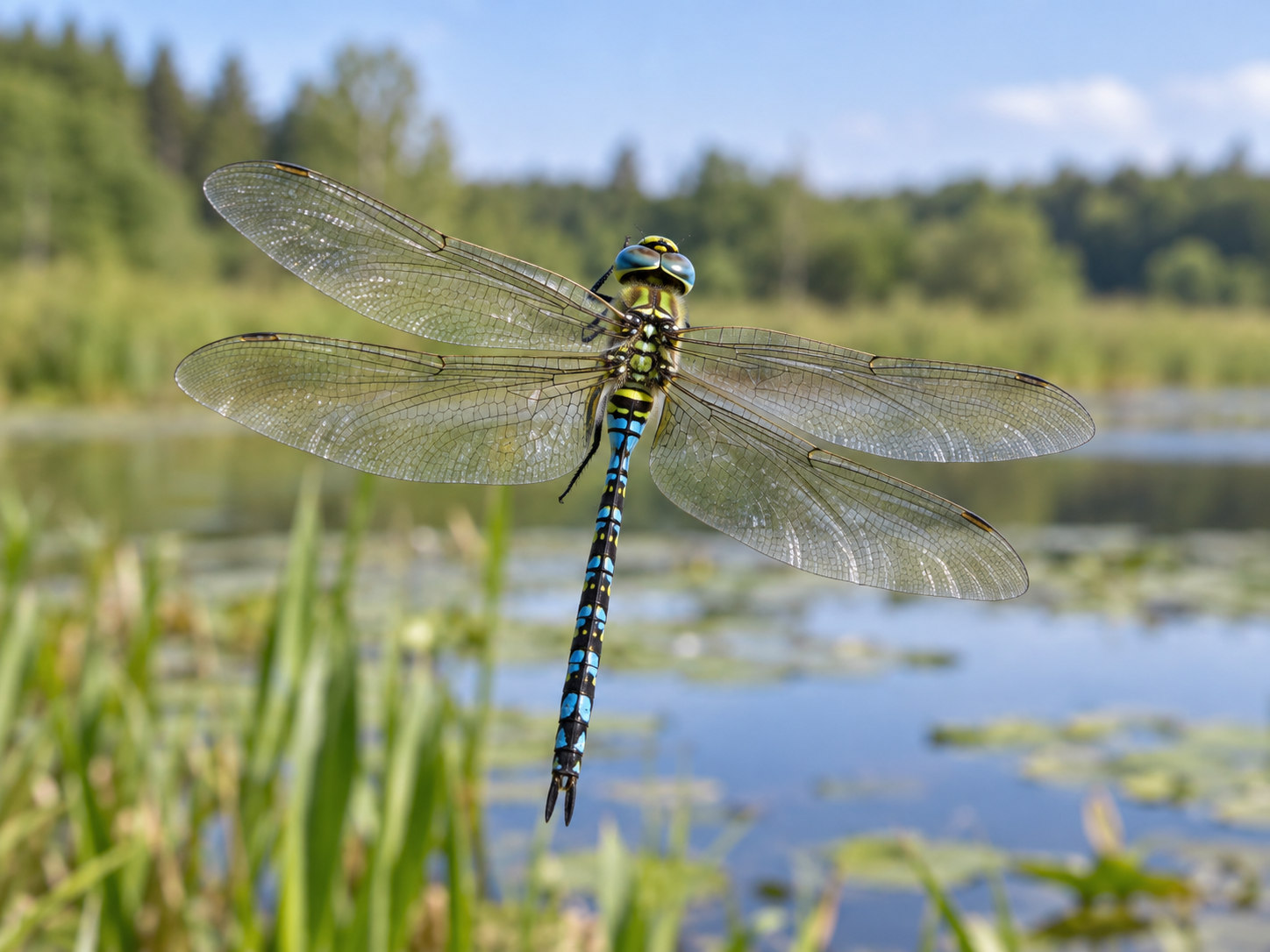
Dragonfly
-
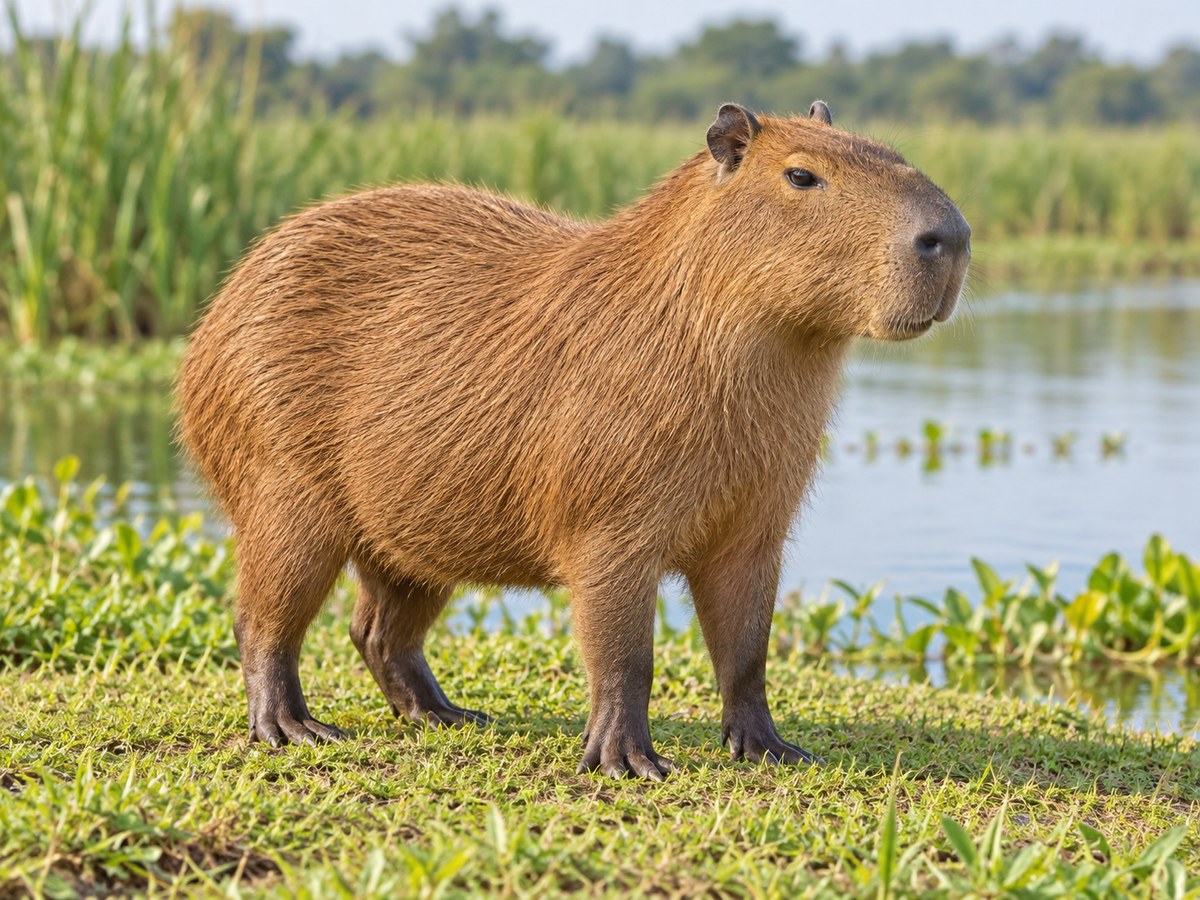
Capybara
Reef
Tiny coral animals build reefs that shelter many sea creatures.
Habitat fact reference: NOAA Ocean Service
-
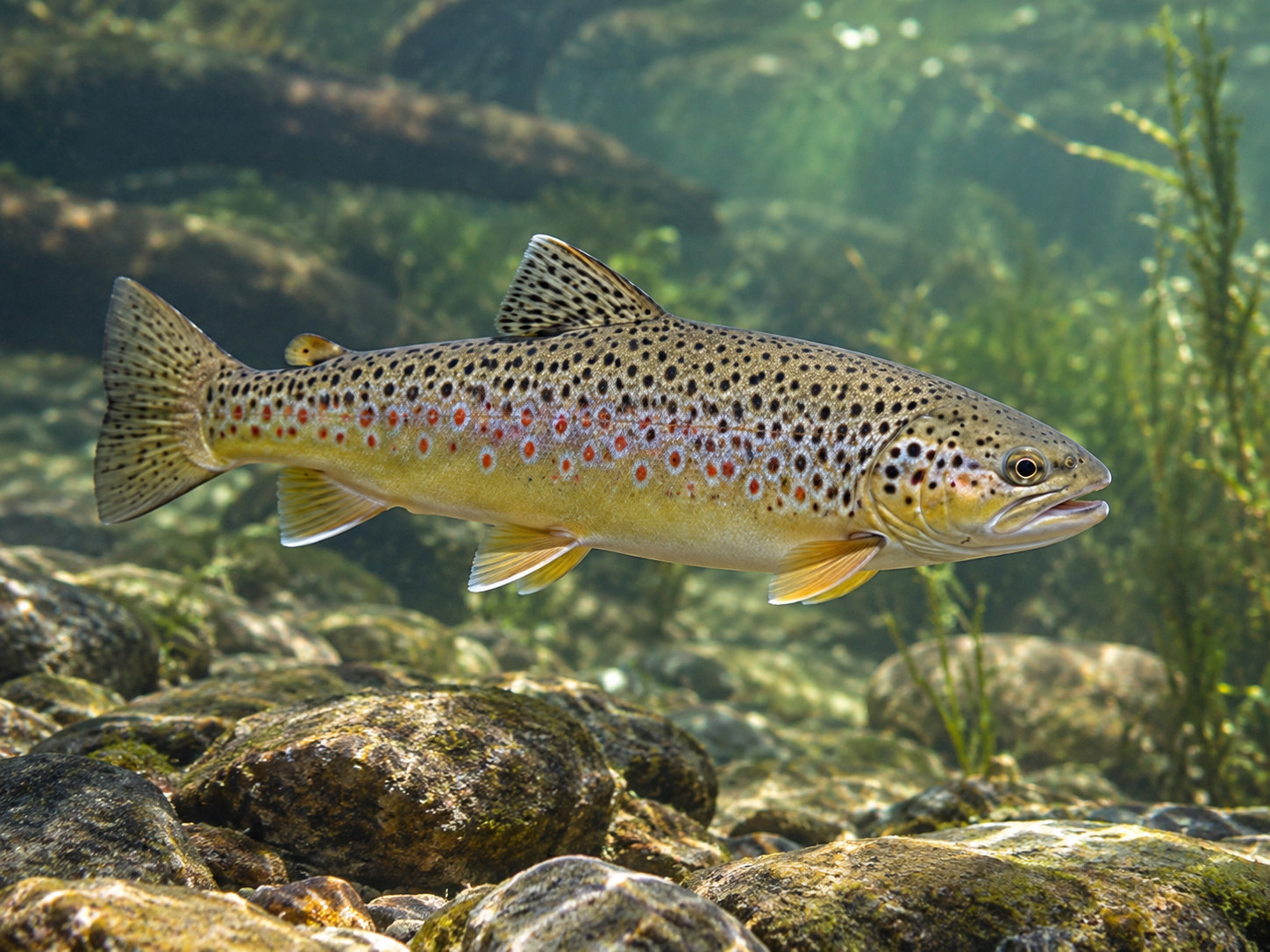
Fish
-
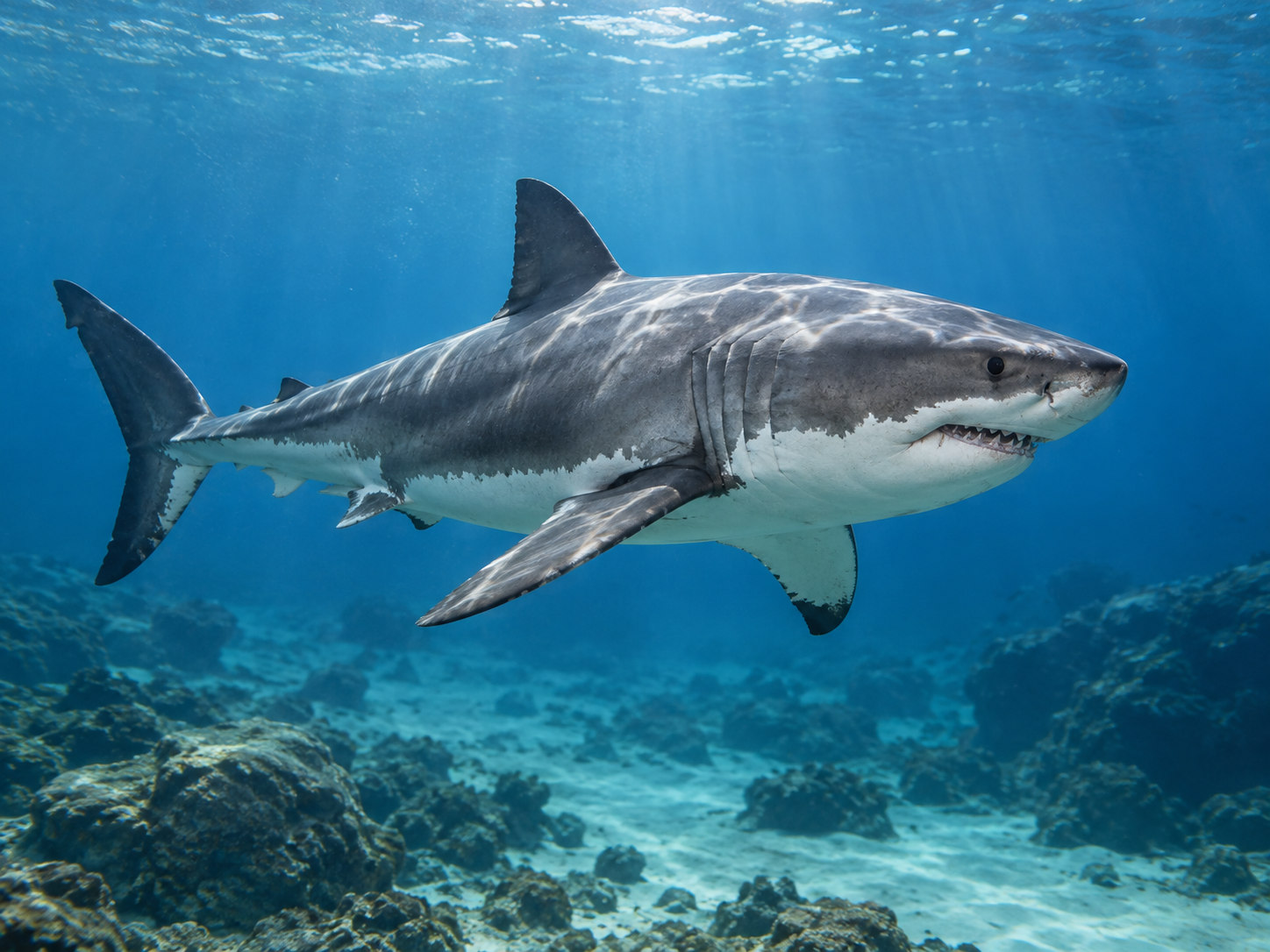
Shark
-
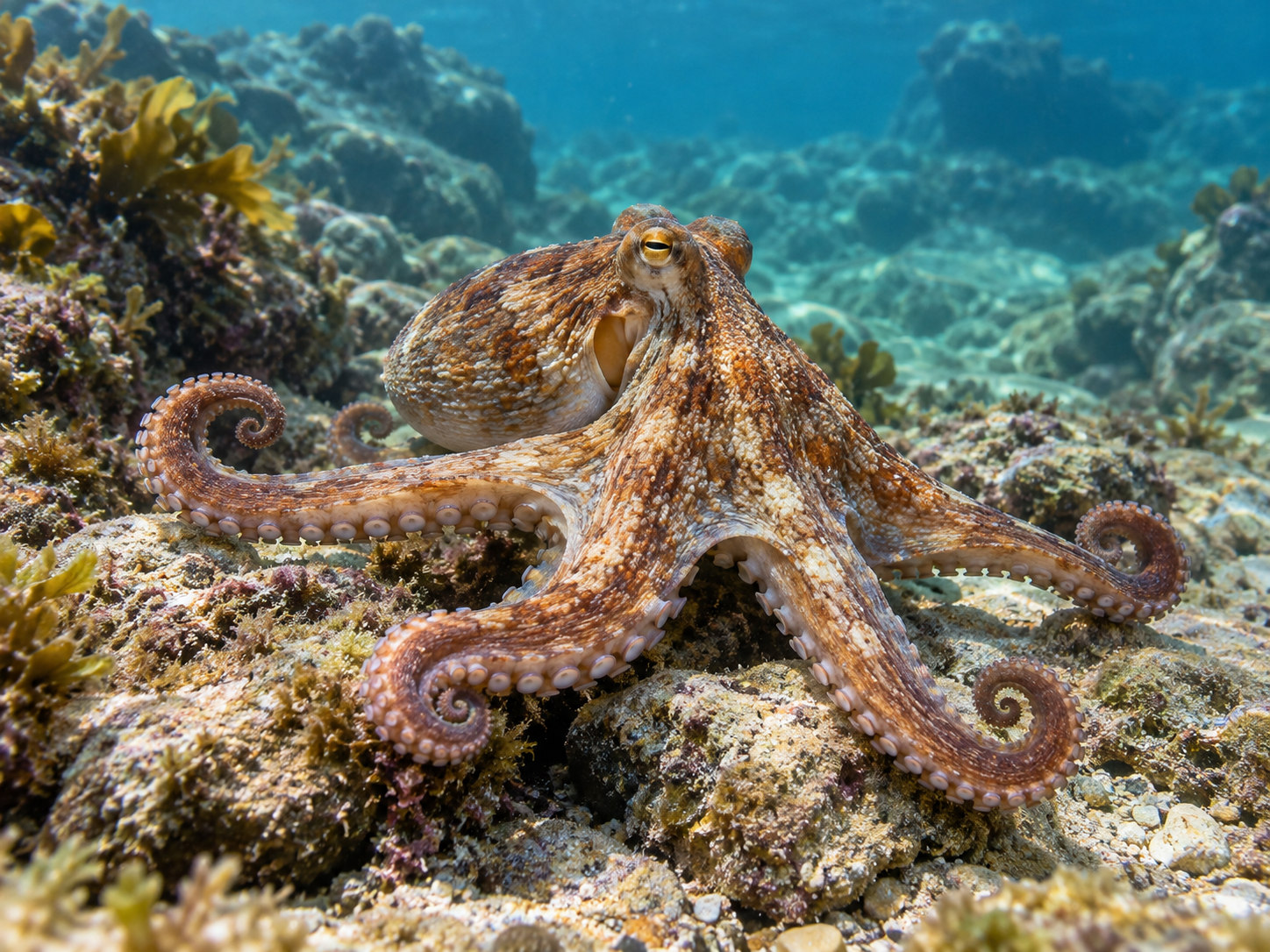
Octopus
Ocean
Ocean water is salty, and sunlight reaches only its upper layers.
Habitat fact reference: NOAA Ocean Service
-
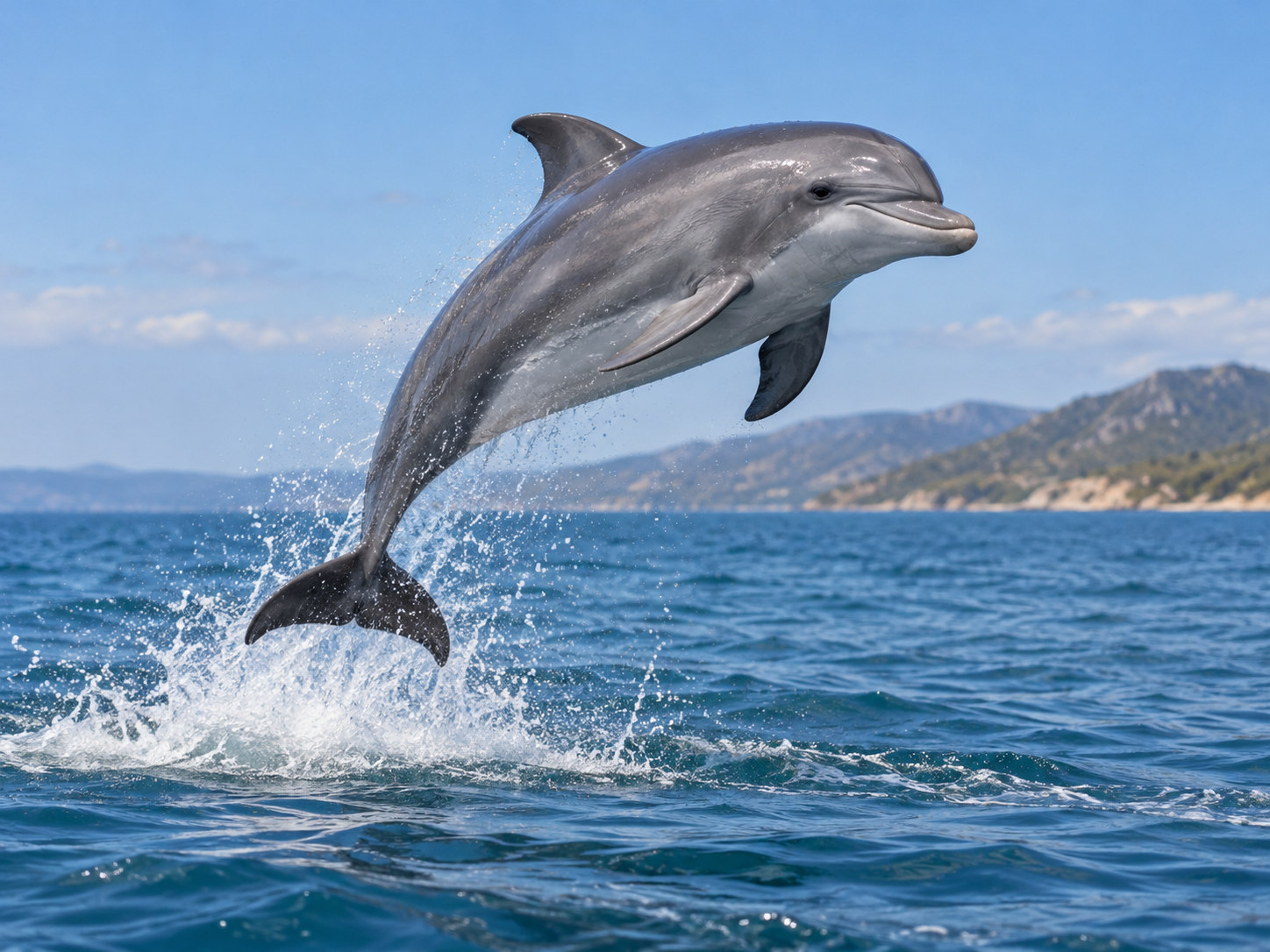
Dolphin
-
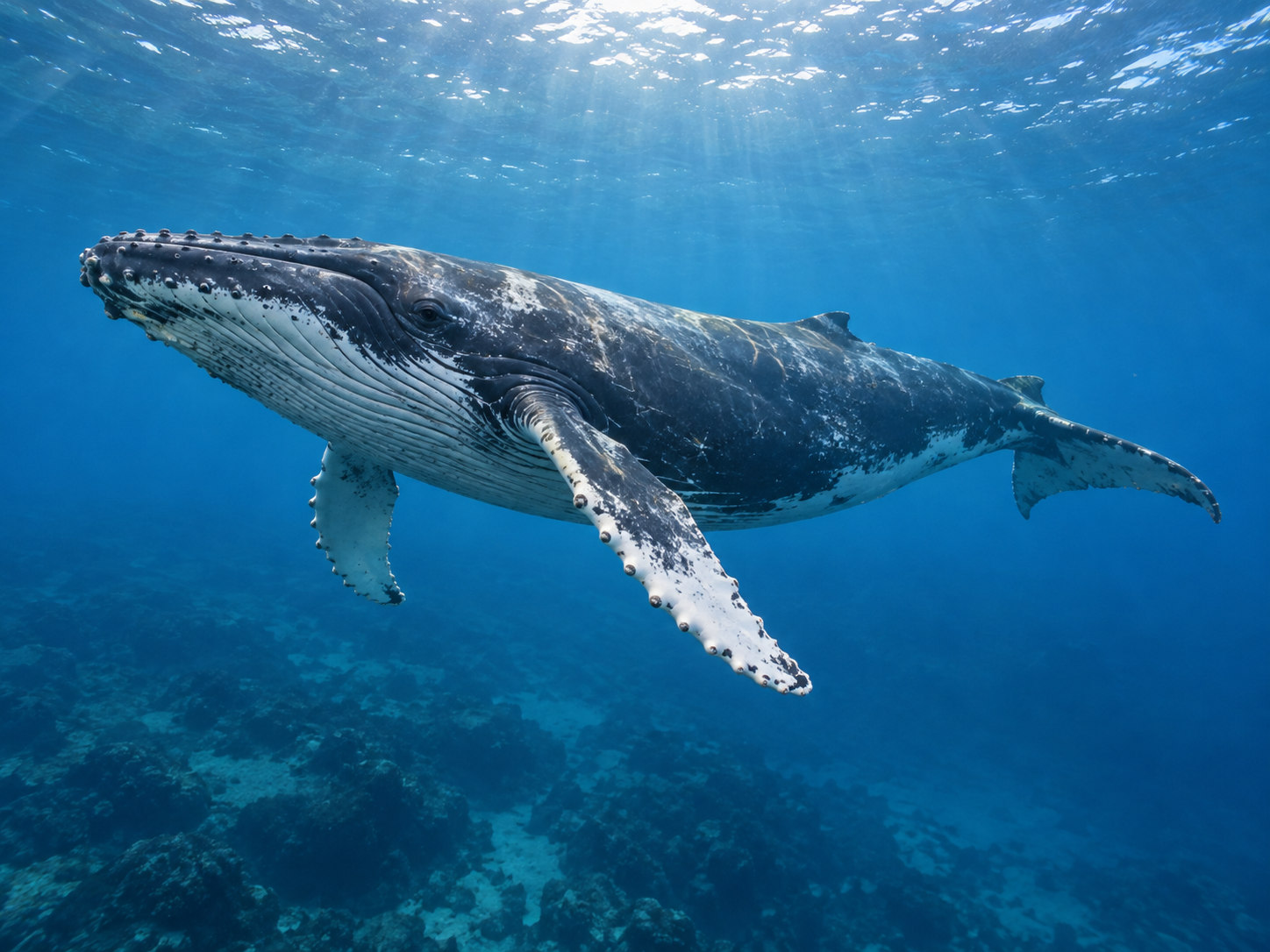
Whale
-
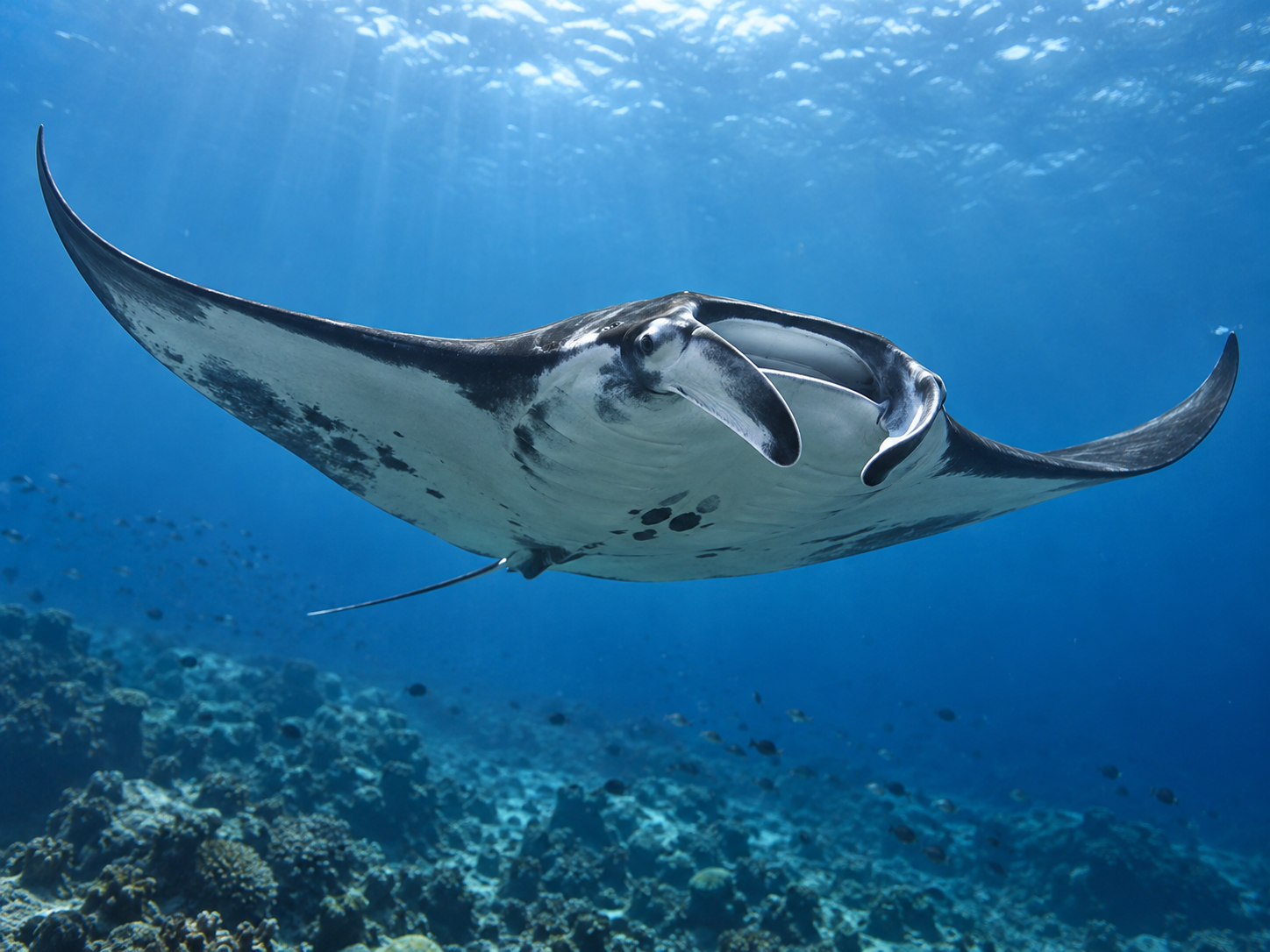
Manta ray
-
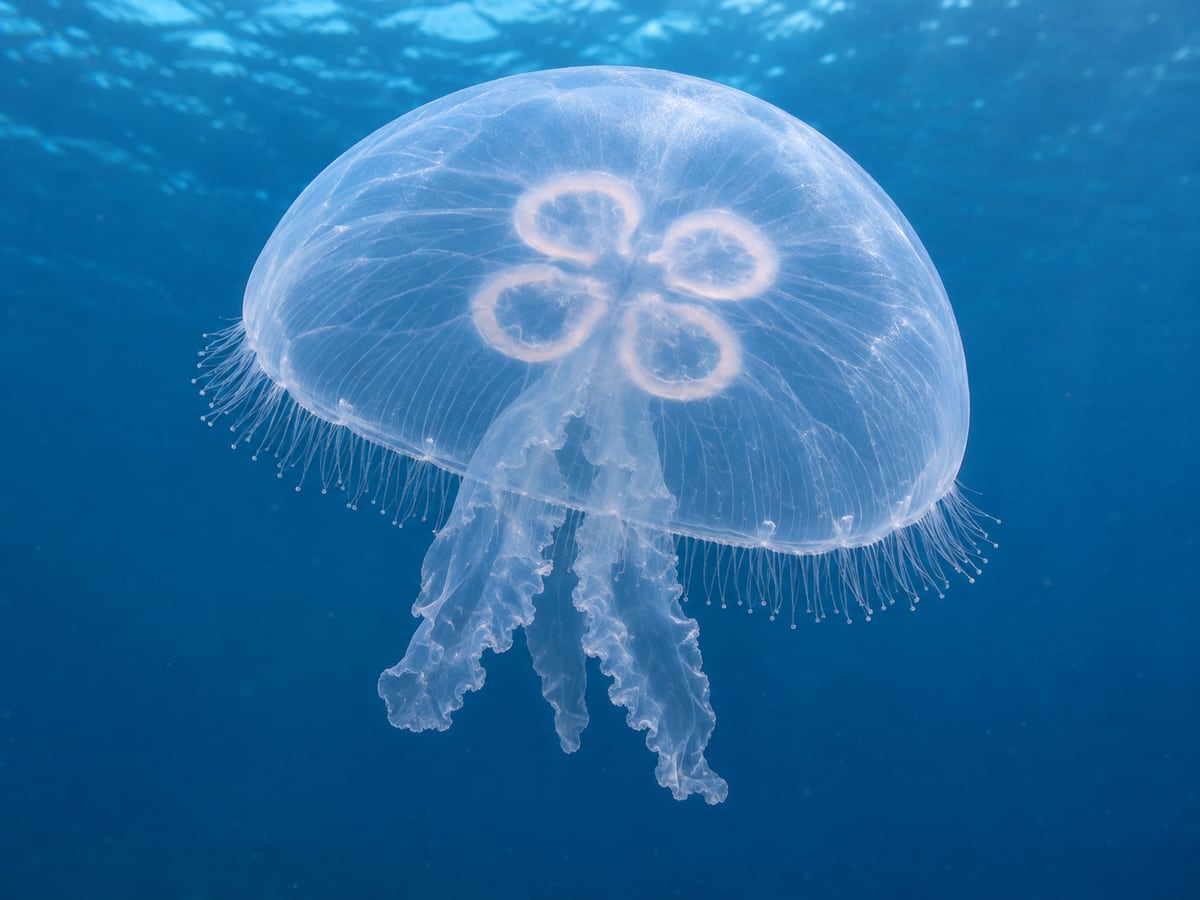
Jellyfish
Beach
Tides cover and uncover parts of the shore each day.
Habitat fact reference: NOAA Ocean Service
-
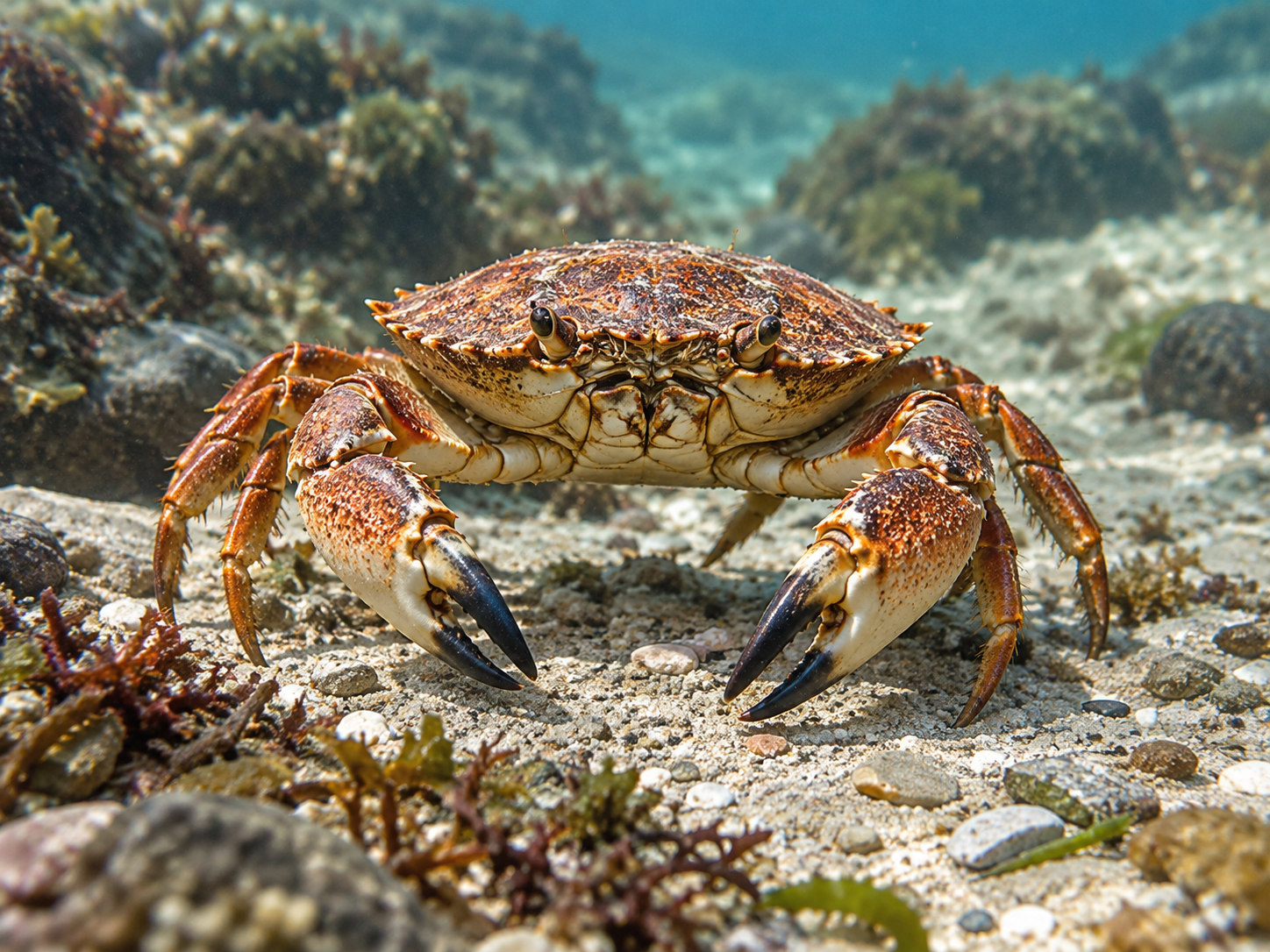
Crab
-
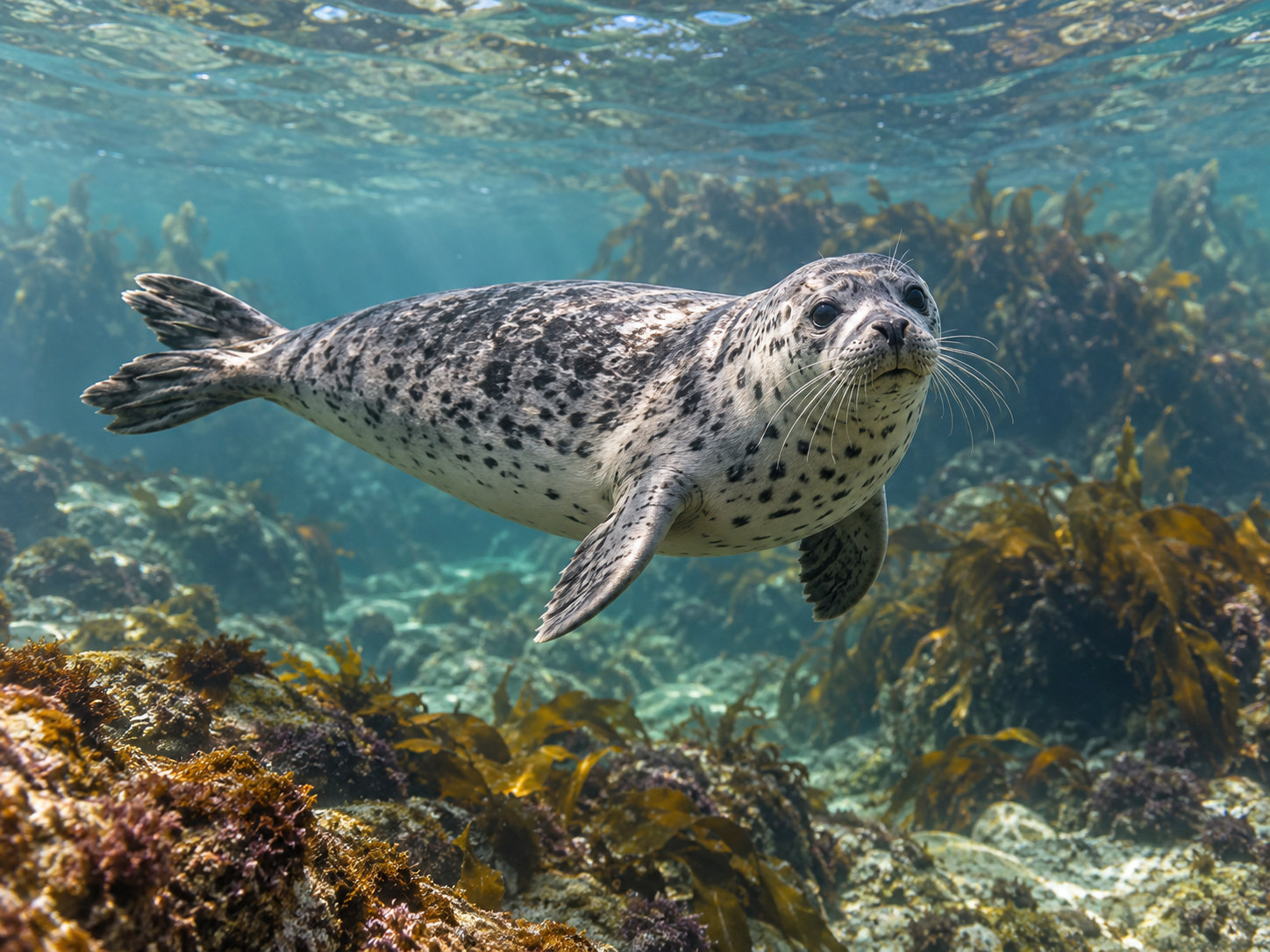
Seal
-
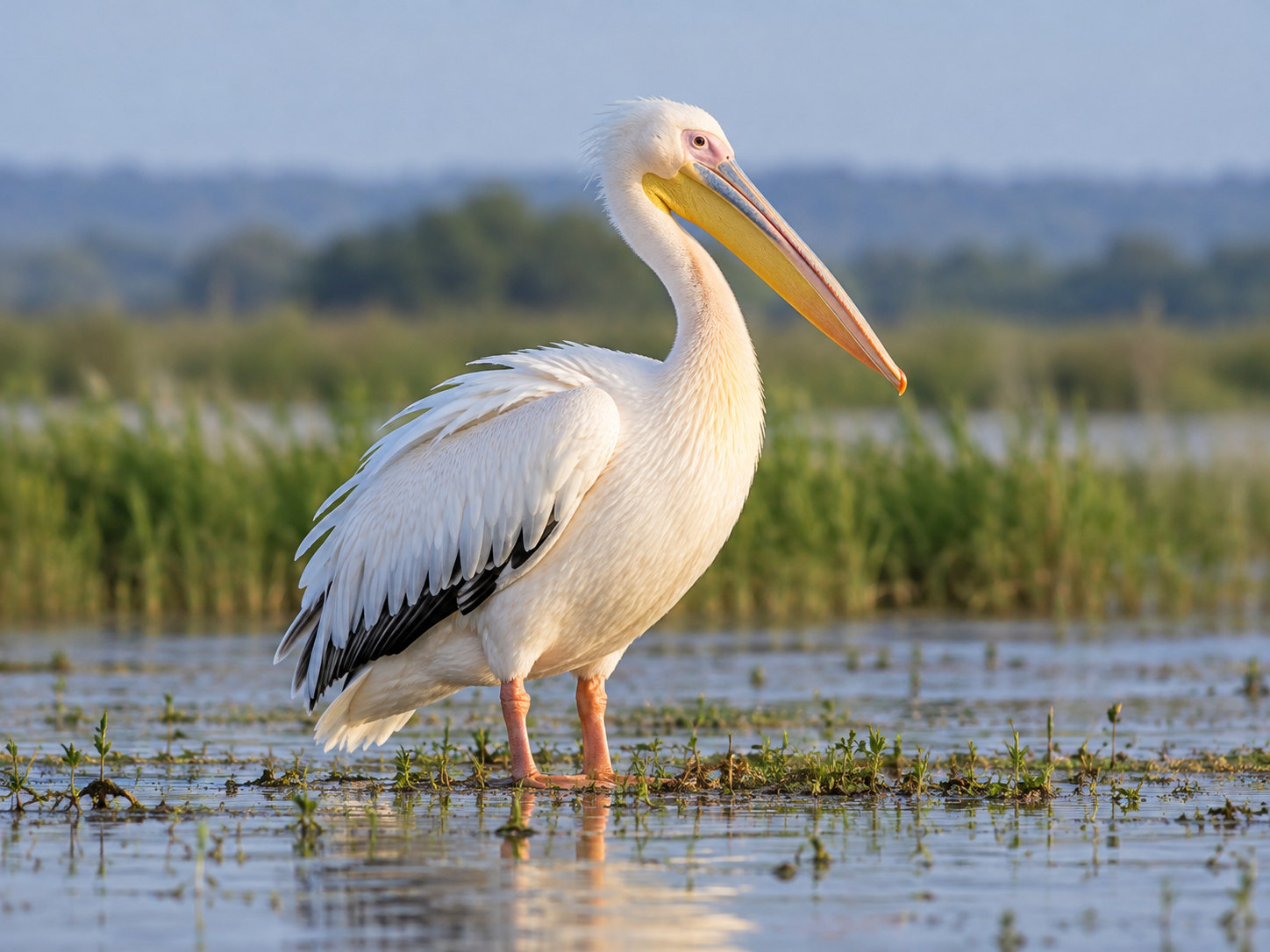
Pelican
Island
King penguins raise their chicks on islands in the cold southern seas.
Habitat fact reference: British Antarctic Survey
-
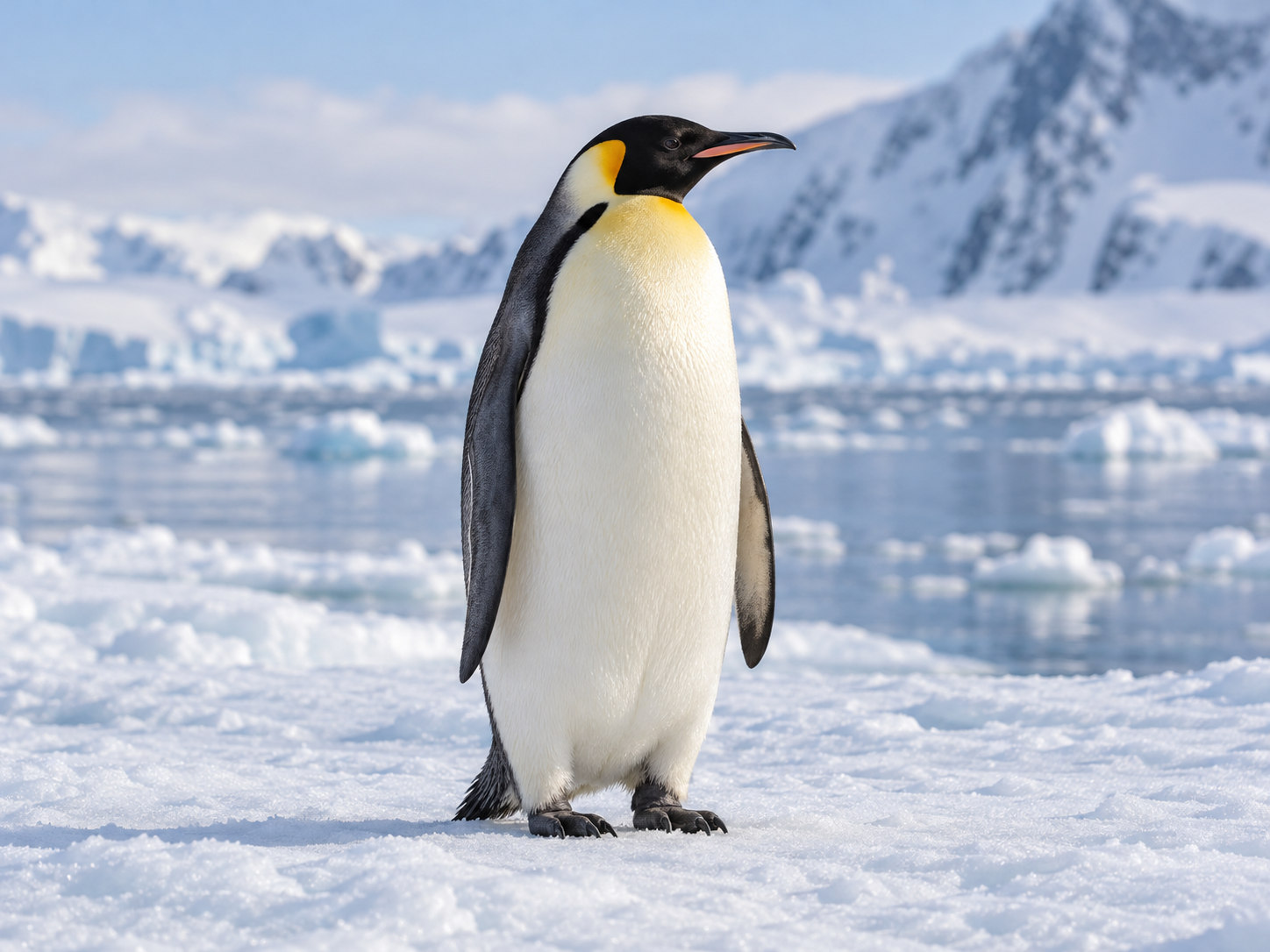
Penguin
Pine Forest
Many trees here have needles and keep them through winter.
Habitat fact reference: Minnesota Department of Natural Resources
-
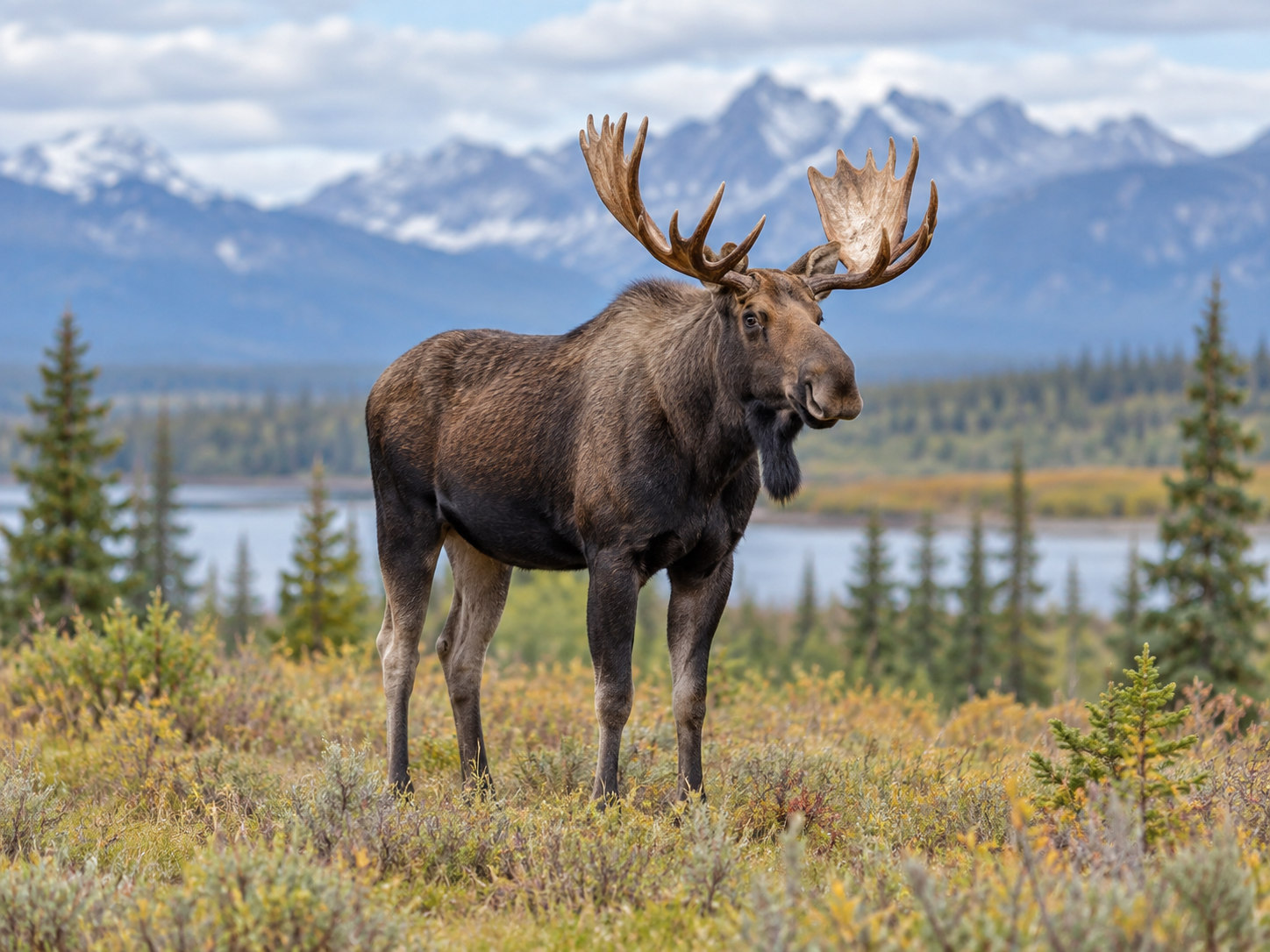
Moose
-
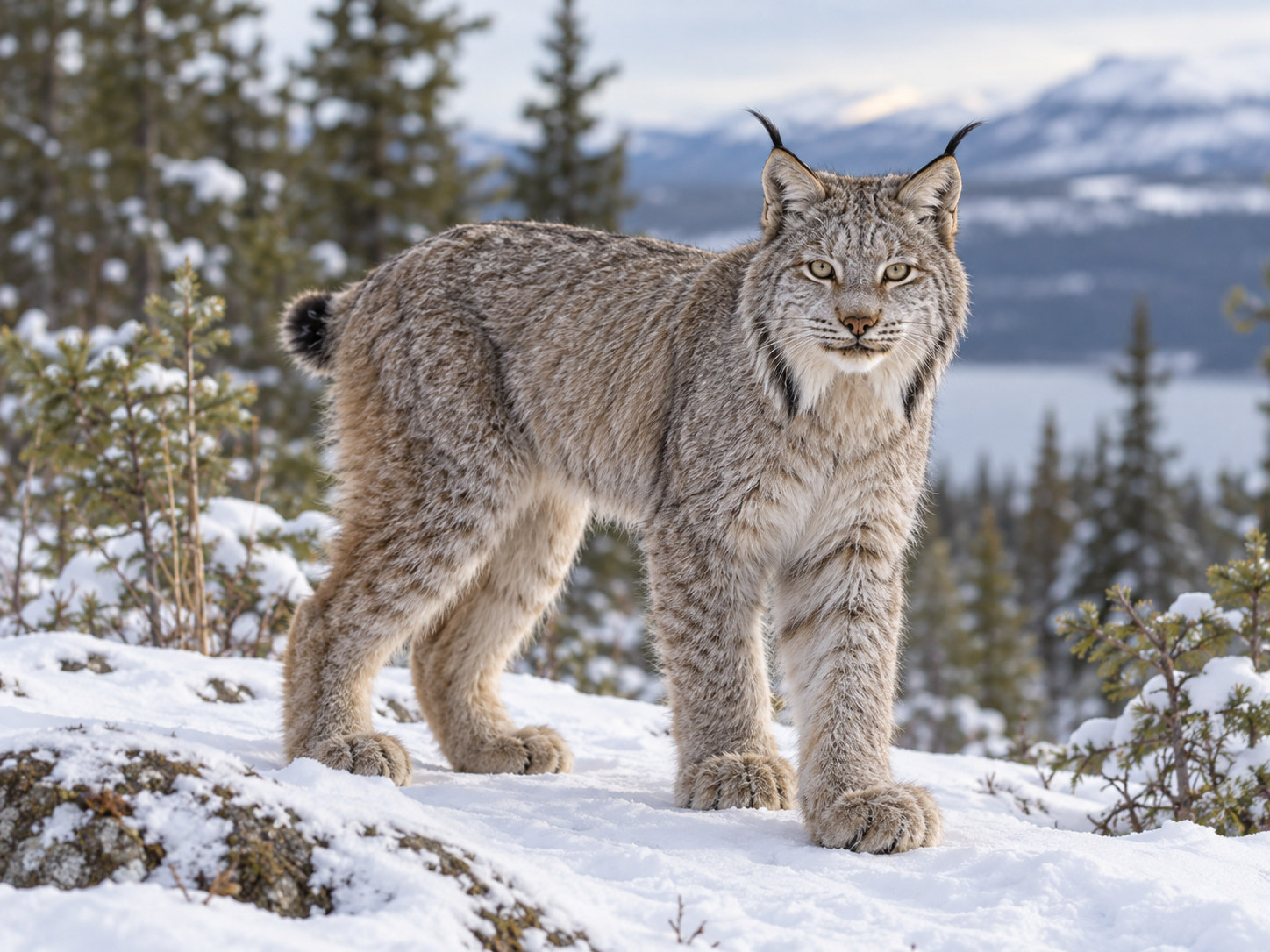
Lynx
-
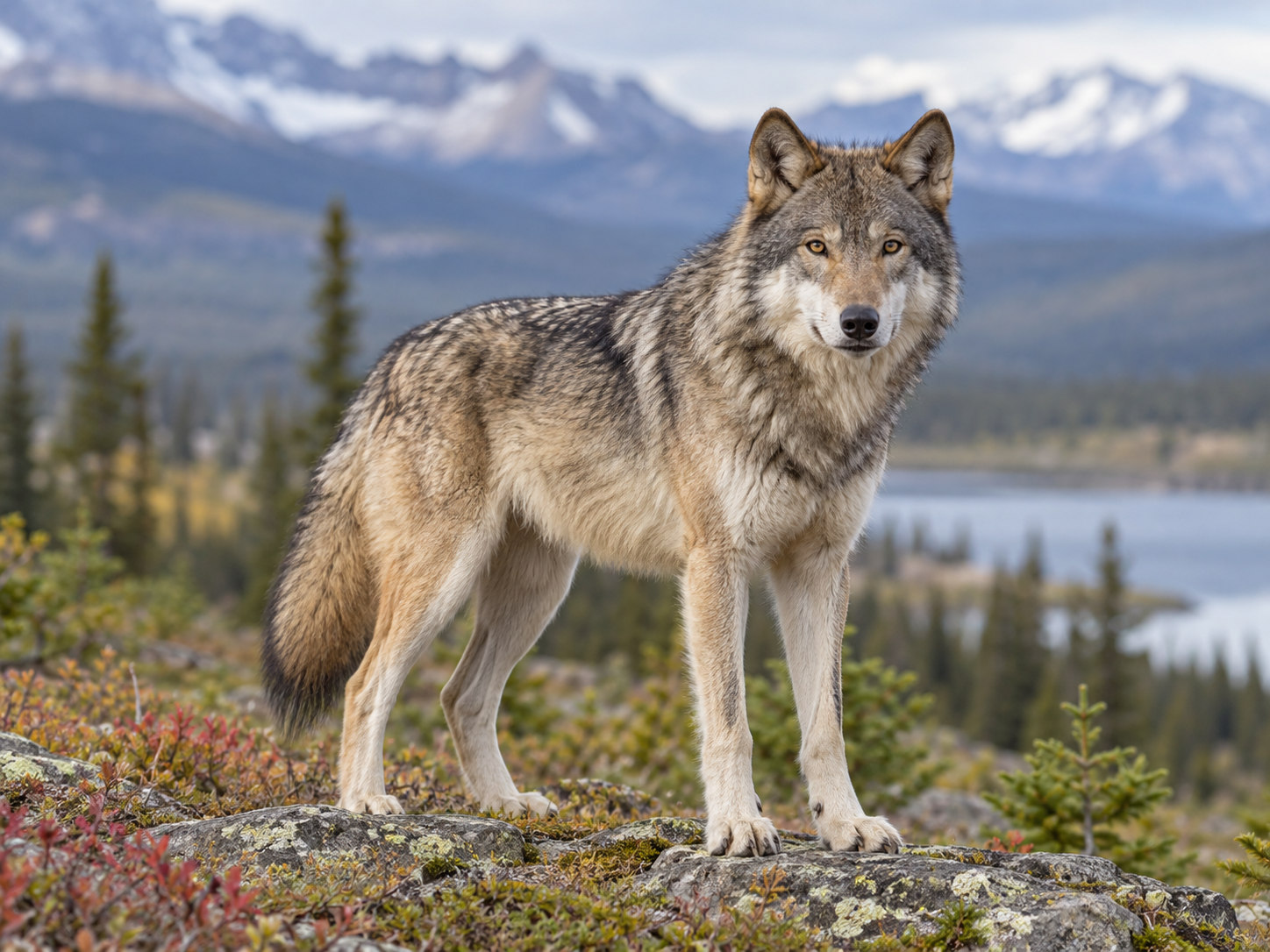
Wolf
Alpine Tundra
High above the trees, cold winds keep the plants small.
Habitat fact reference: National Park Service
-
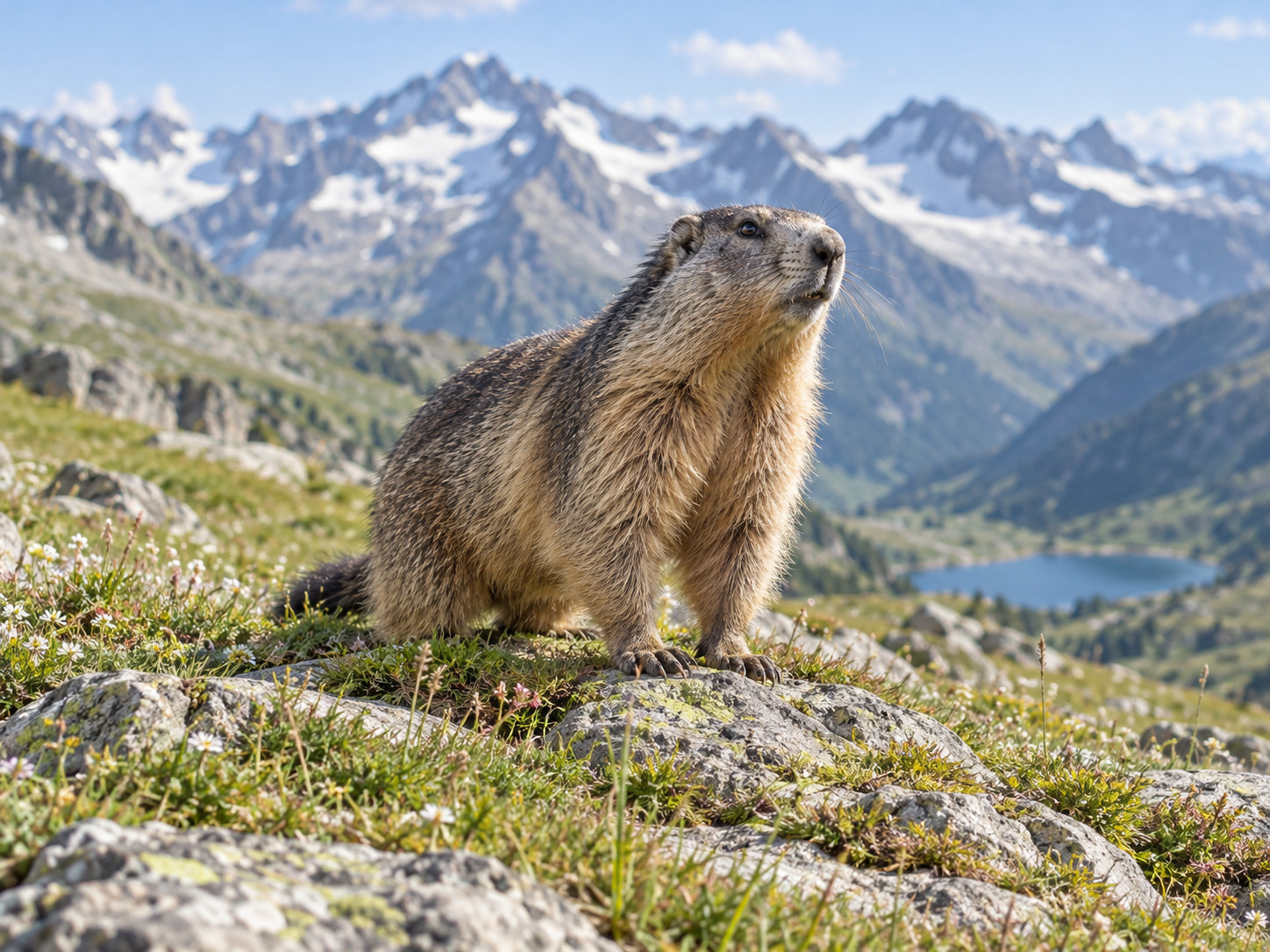
Marmot
-
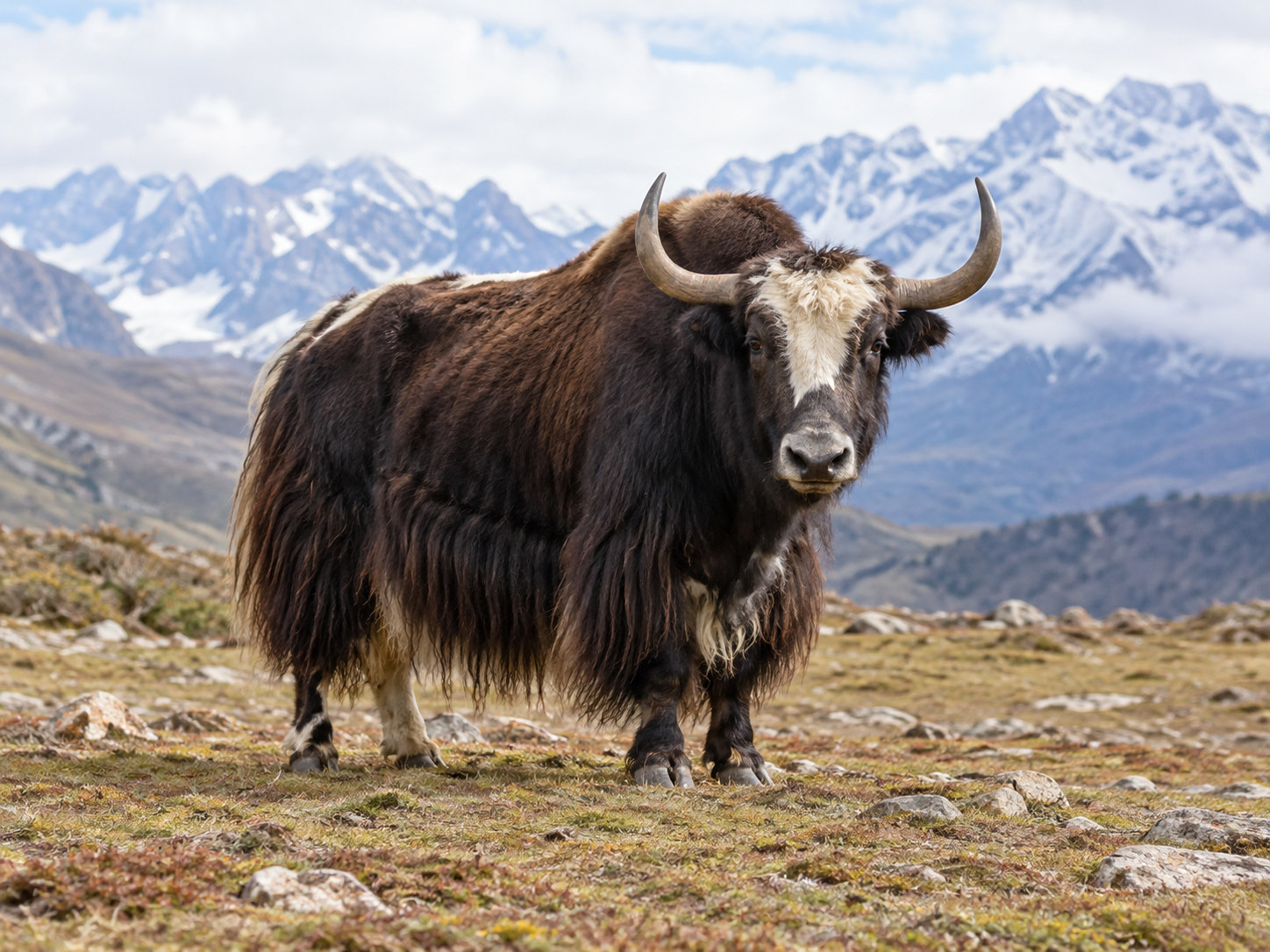
Yak
-
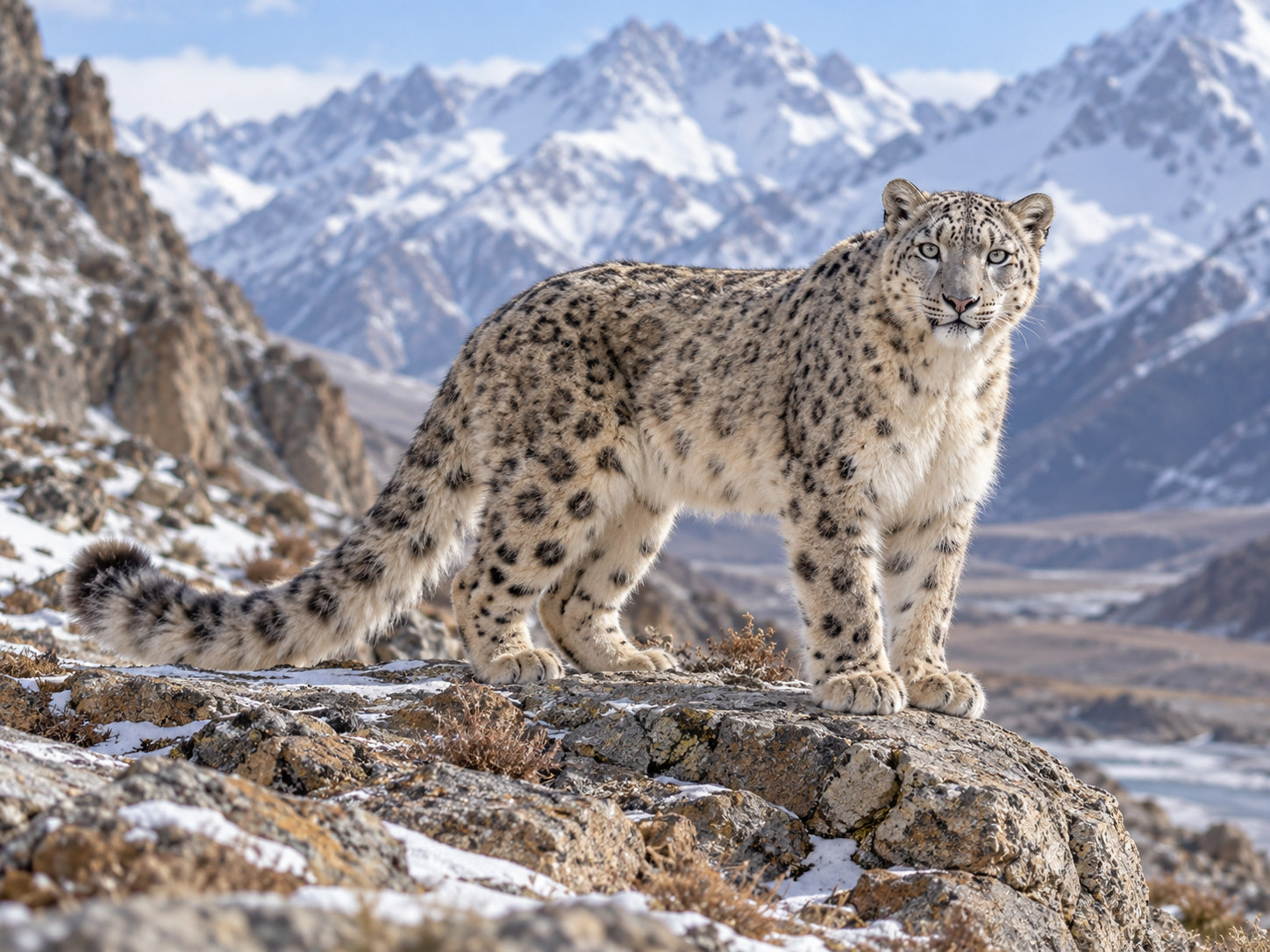
Snow leopard
Arctic Coast
Walruses rest on sea ice and cold shores beside the sea.
Habitat fact reference: Alaska Department of Fish and Game
-
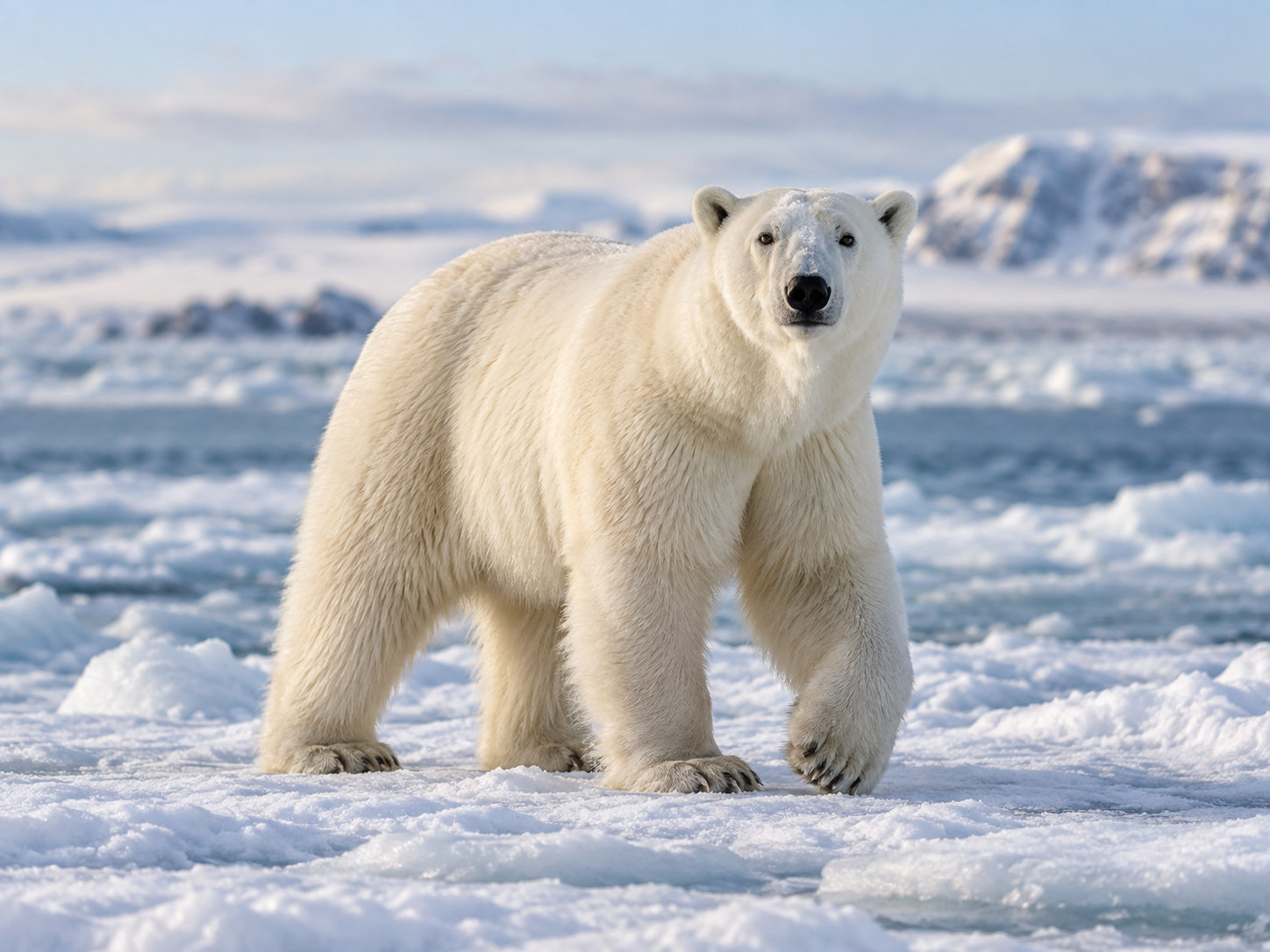
Polar bear
-
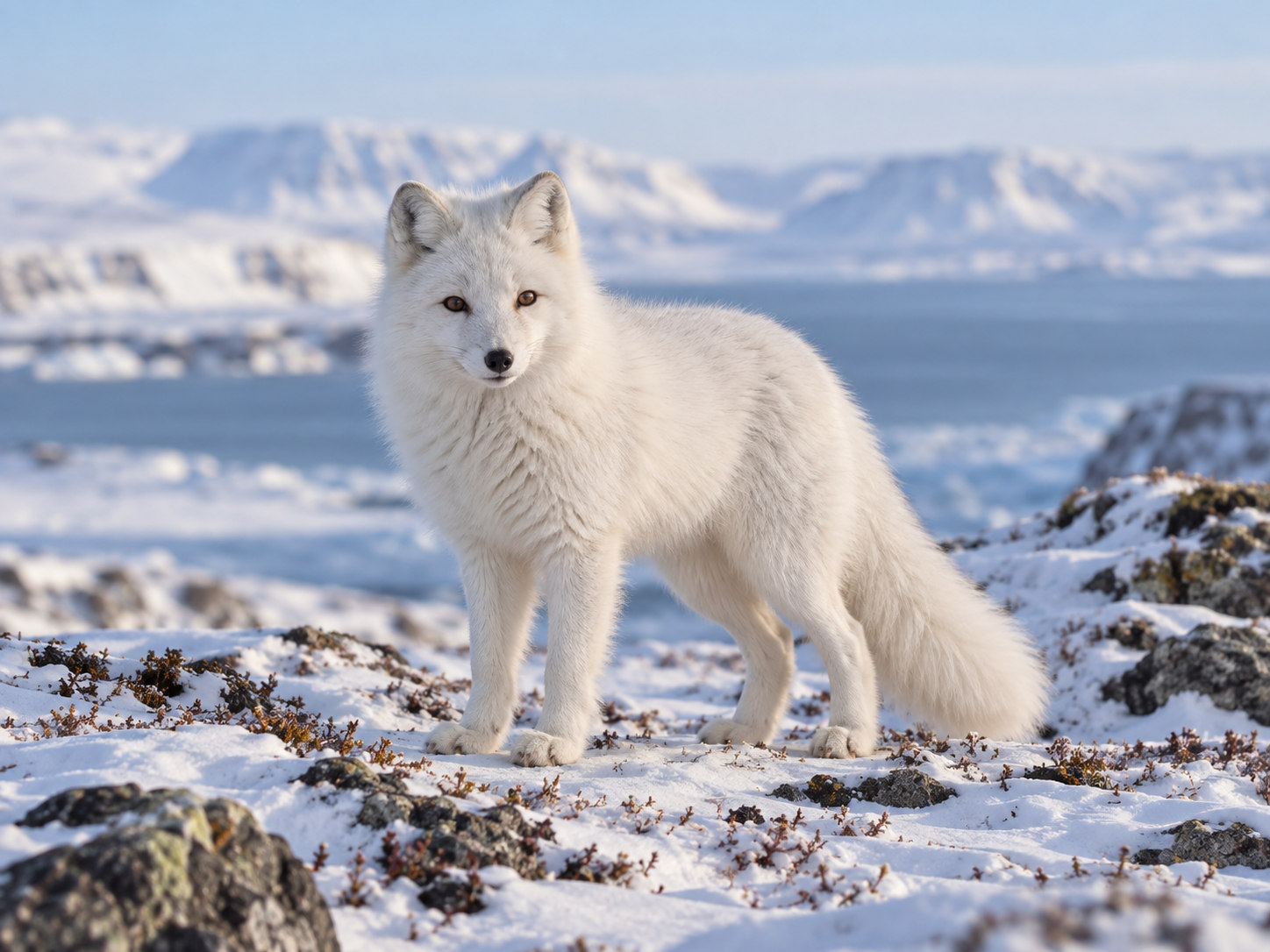
Arctic fox
-
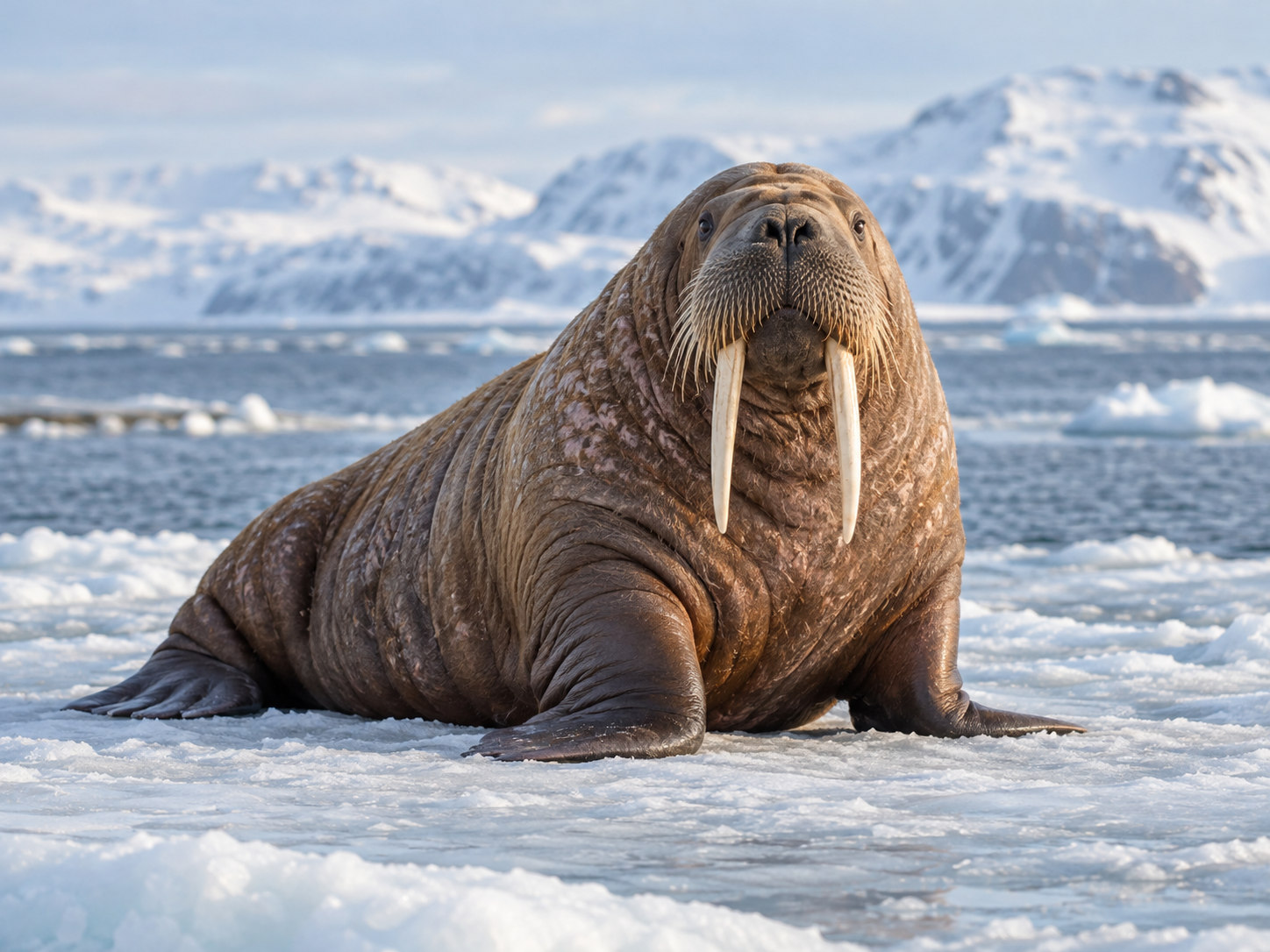
Walrus
Prairie
A prairie is a wide grassland with very few trees.
Habitat fact reference: National Park Service
-
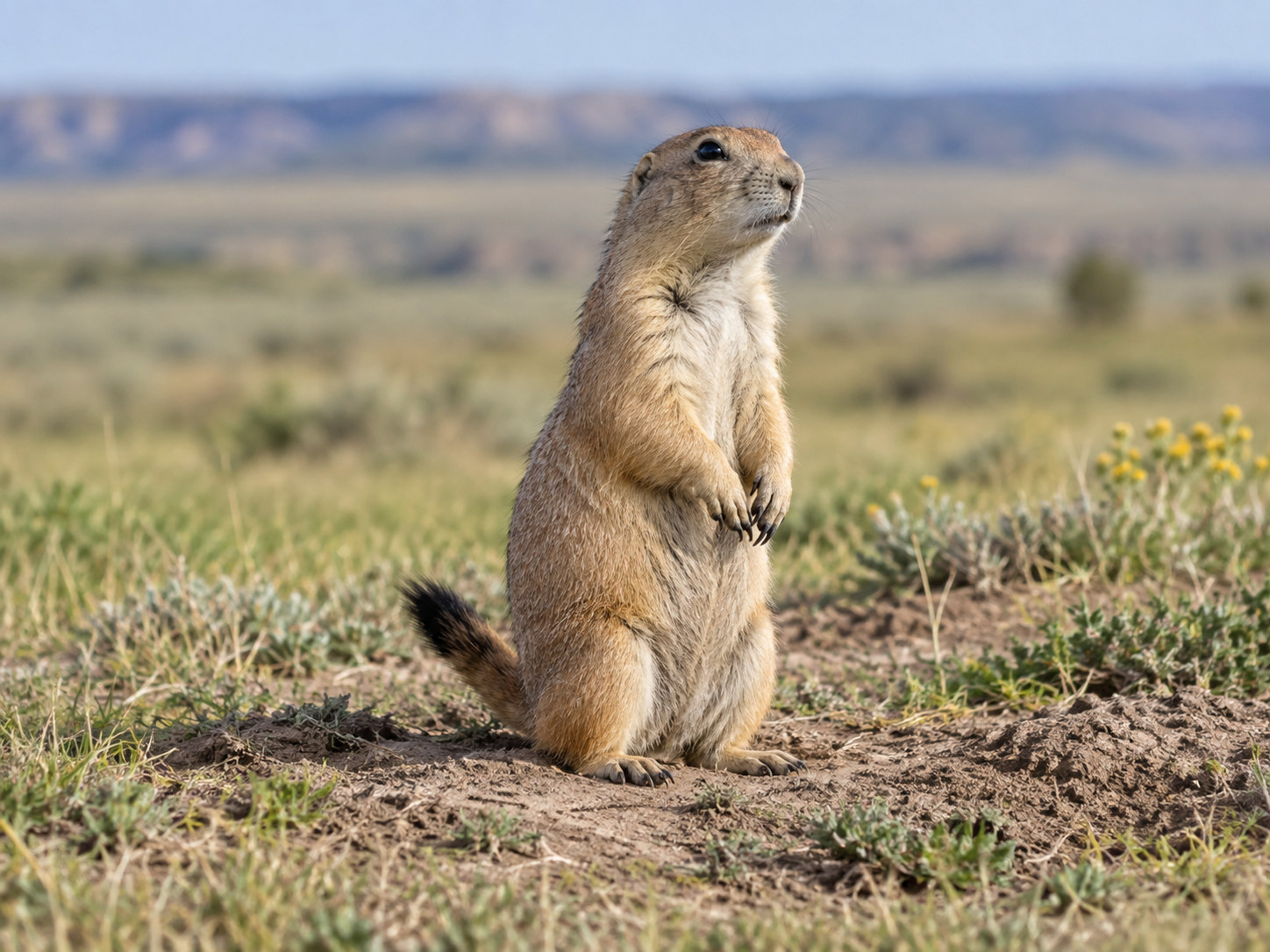
Prairie dog
-
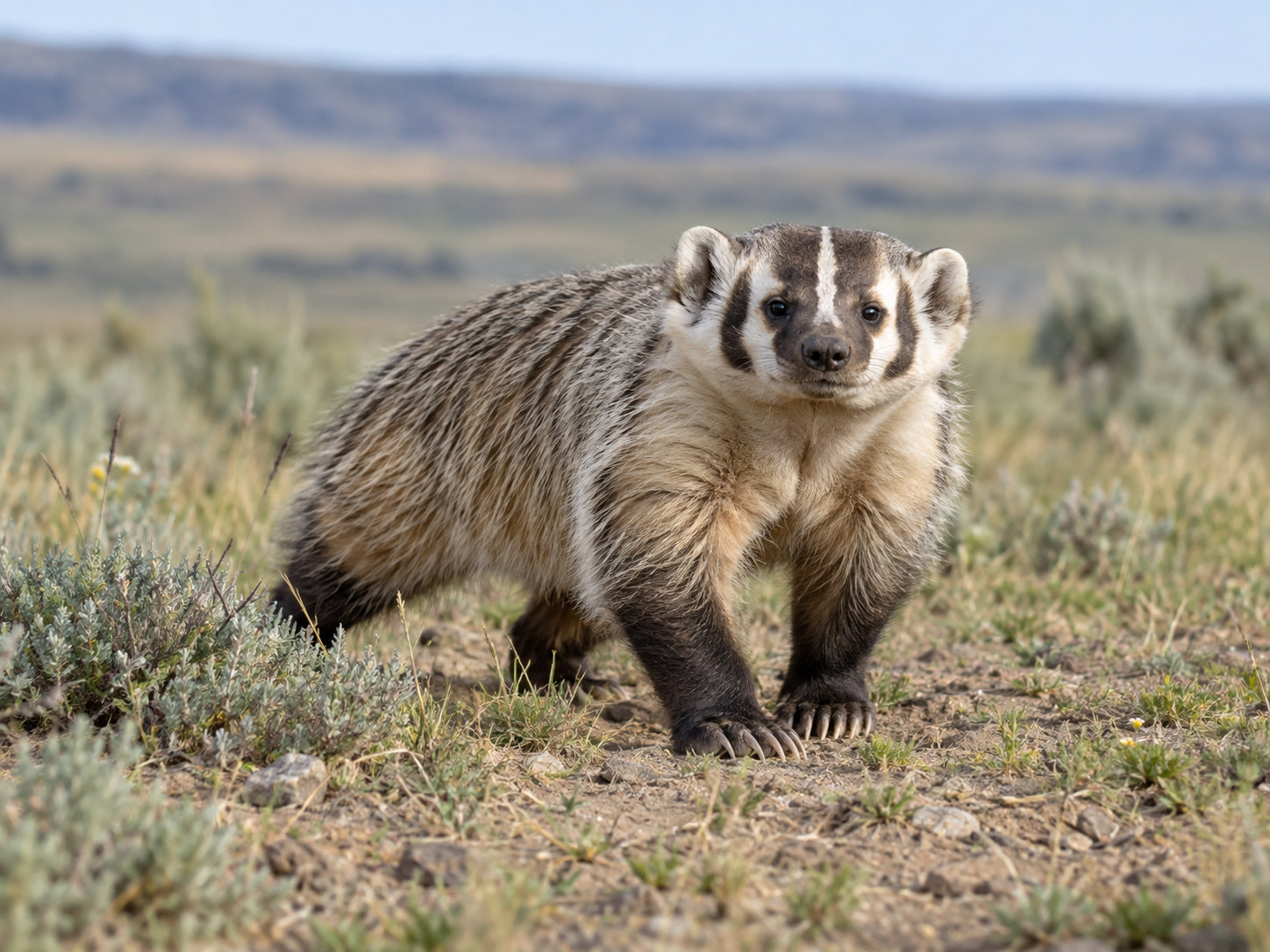
Badger
-
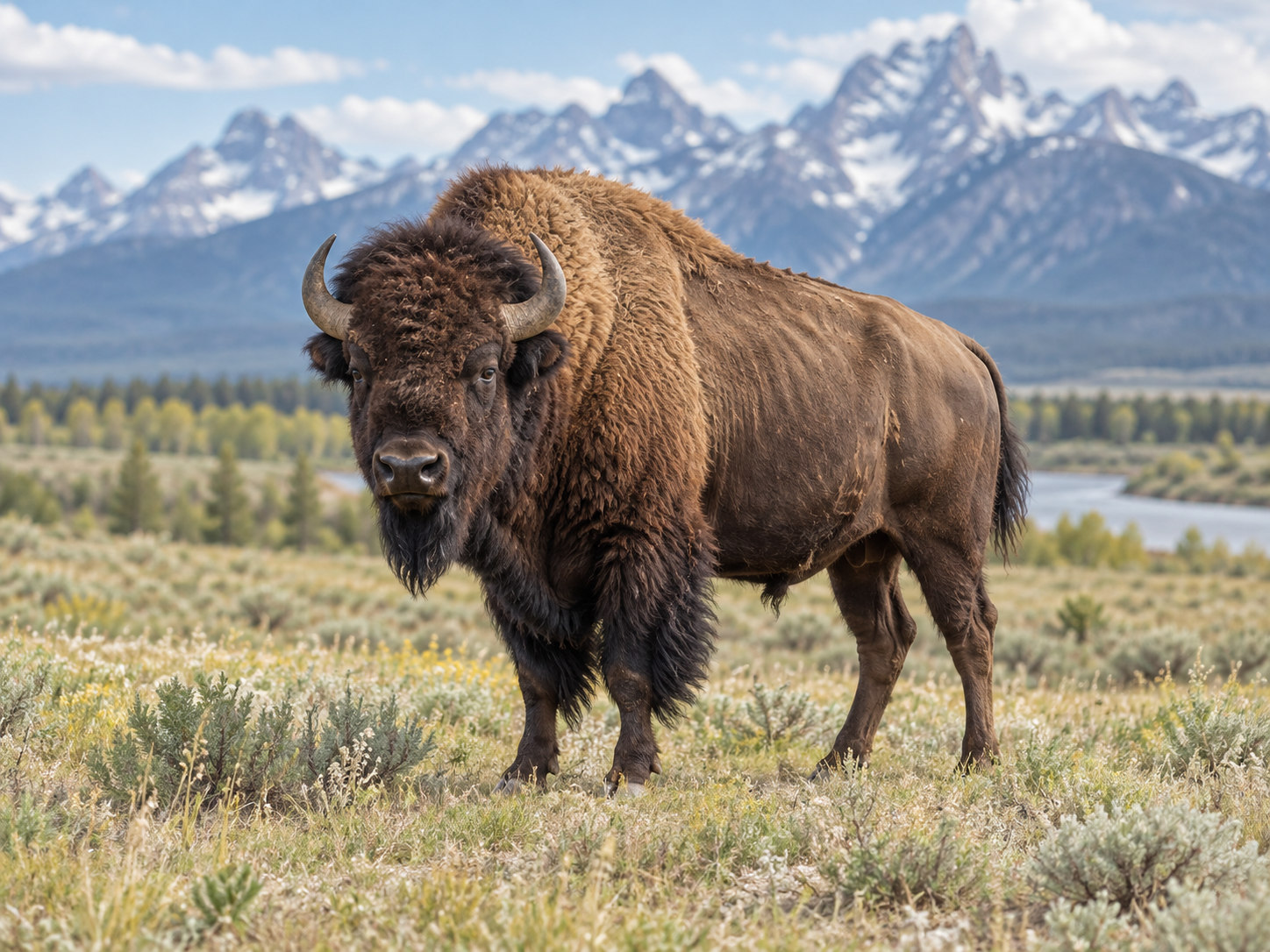
Bison
Shrubland
Low bushes and scattered trees grow in this dry landscape.
Habitat fact reference: Animal Diversity Web
-
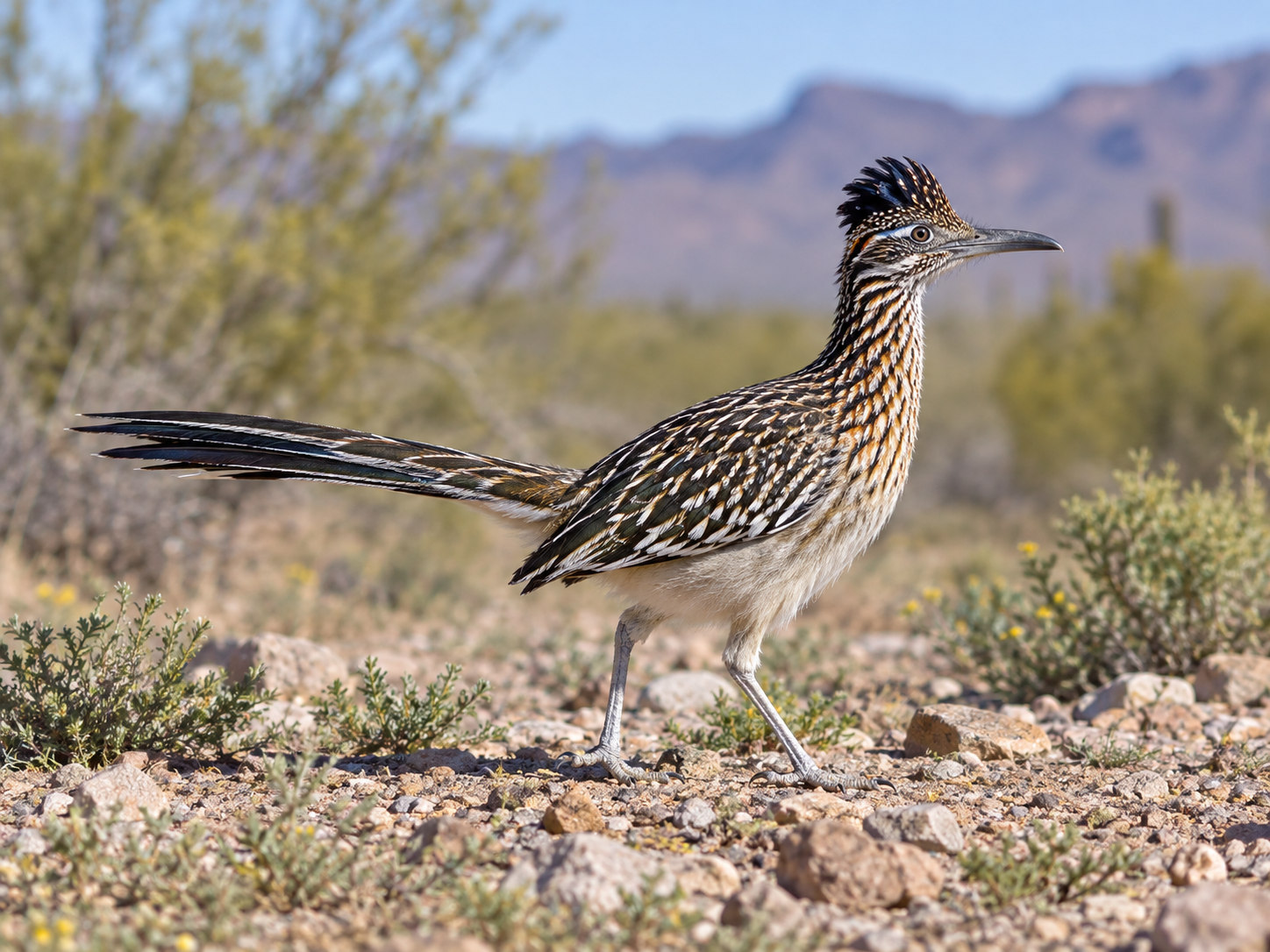
Roadrunner
-
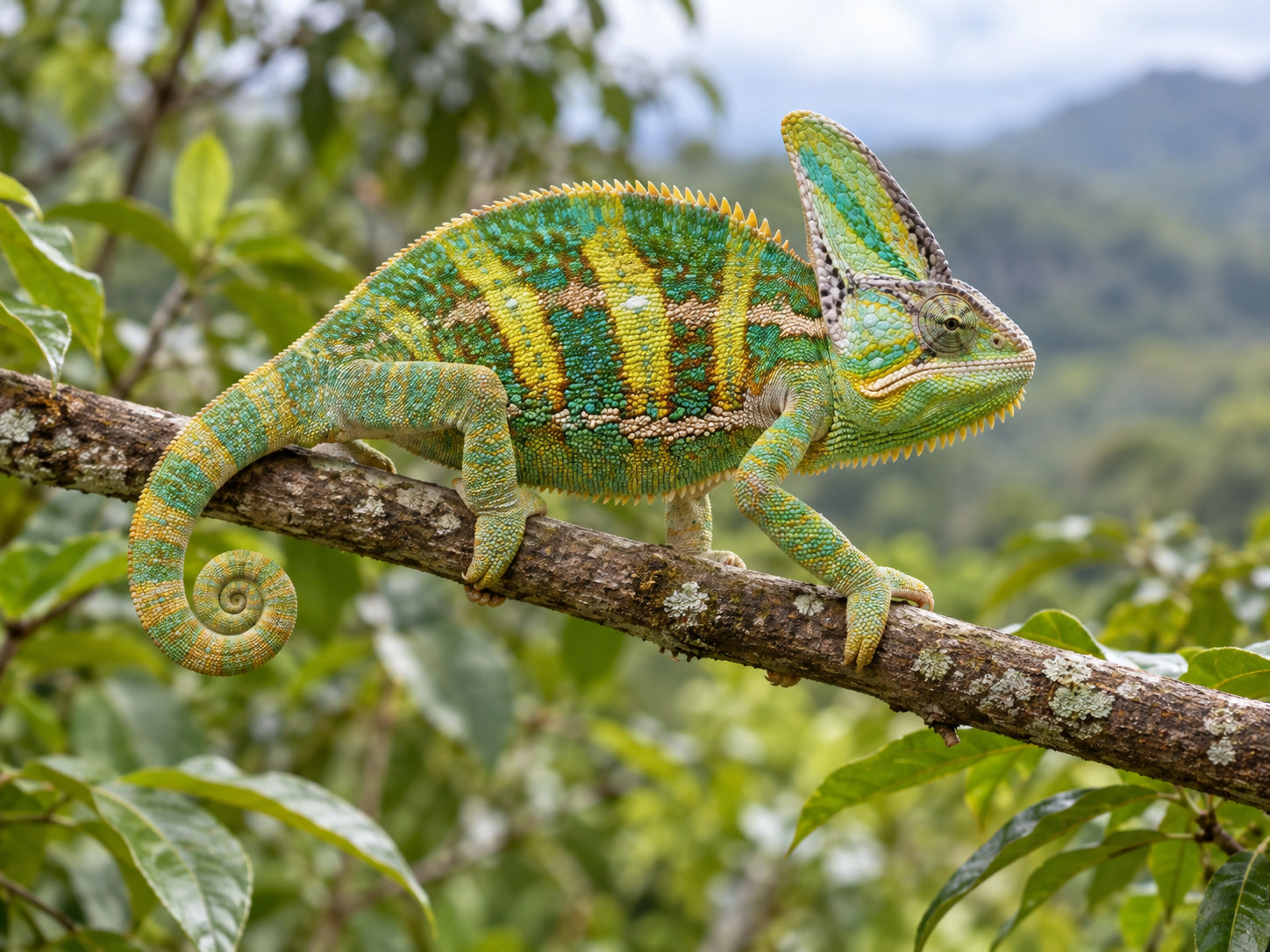
Chameleon
-
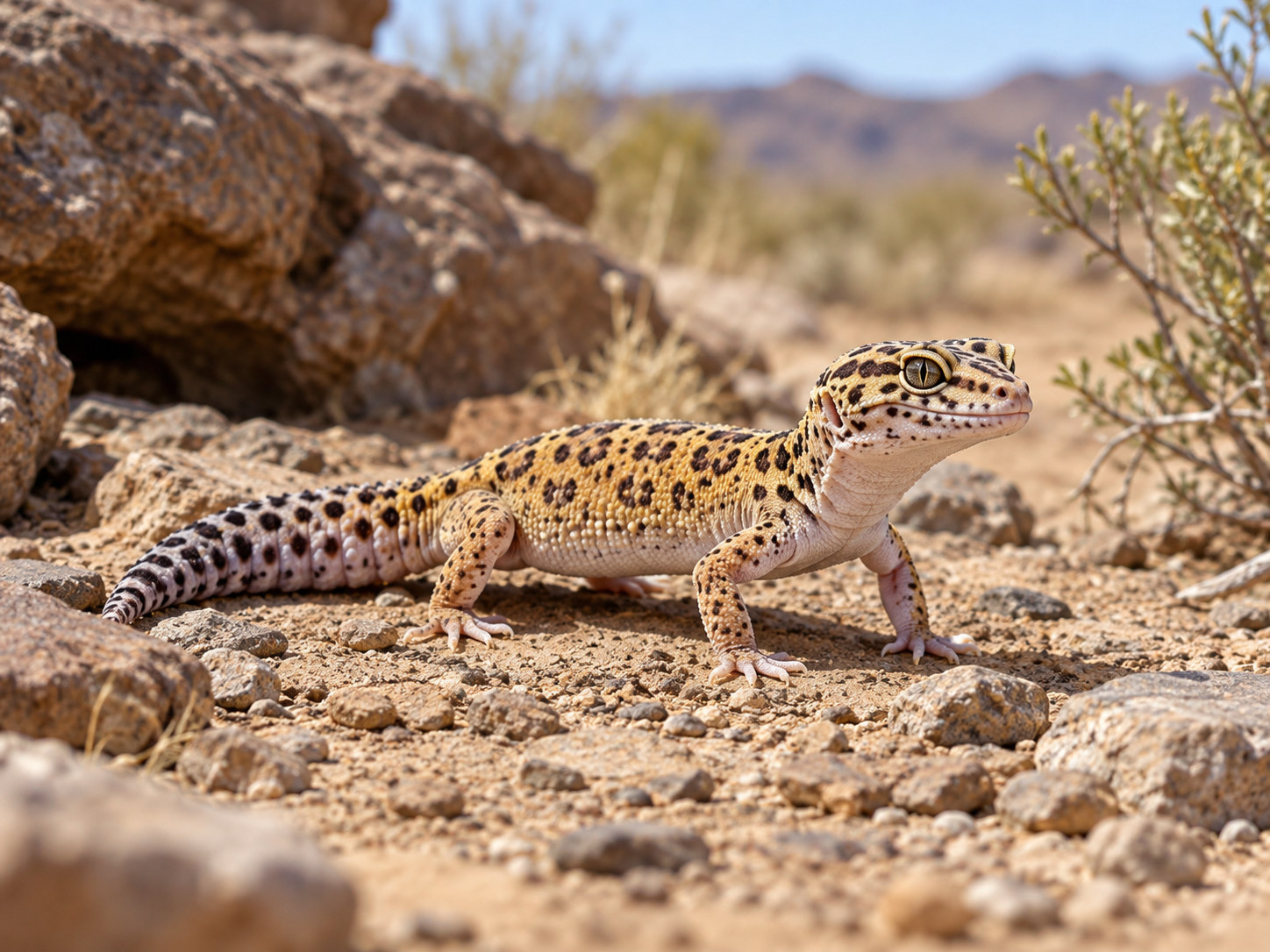
Gecko
Mangrove Forest
Mangrove trees grow on warm coasts, where their roots shelter young sea animals.
Habitat fact reference: Smithsonian Ocean
-
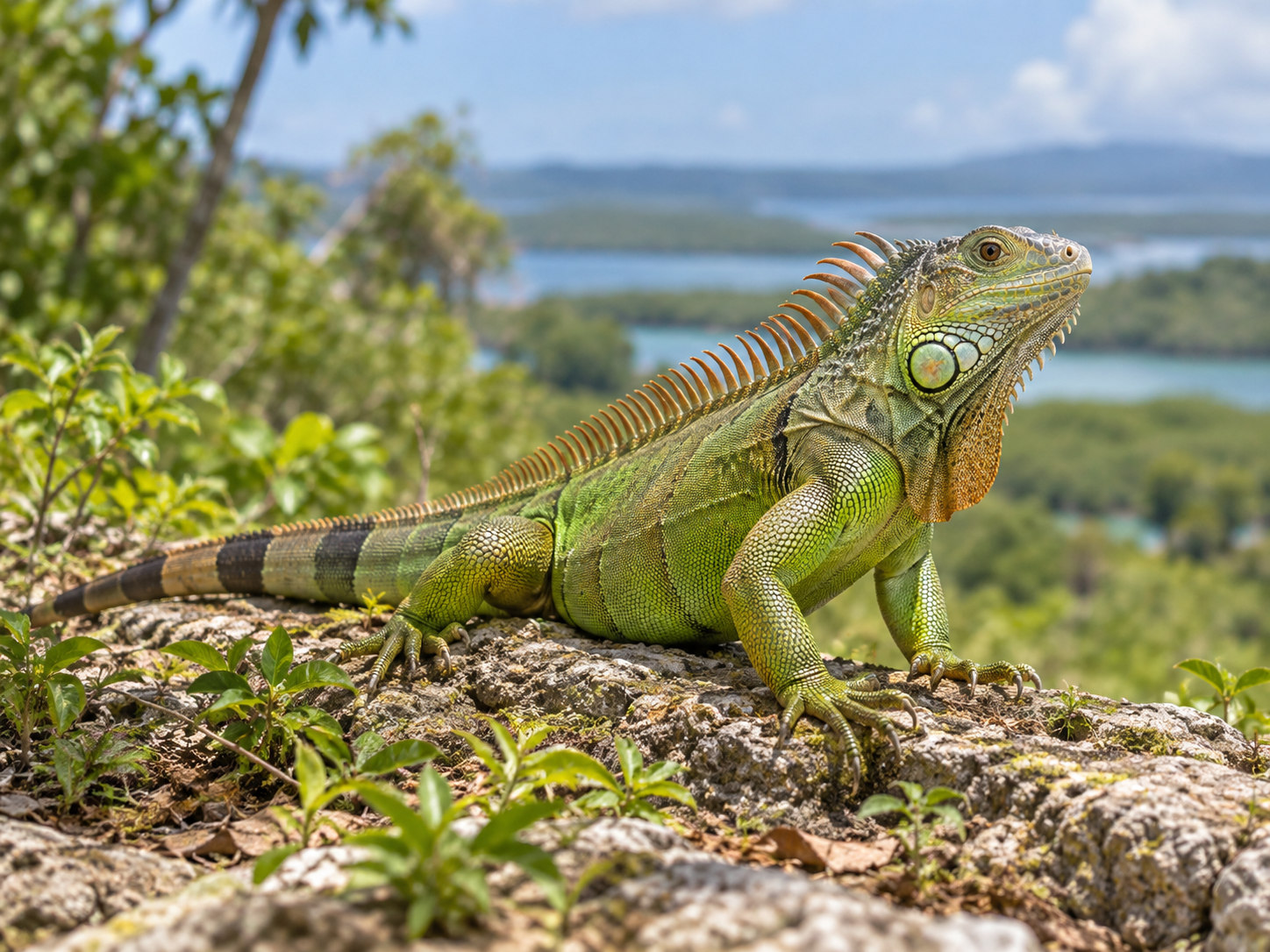
Iguana
-
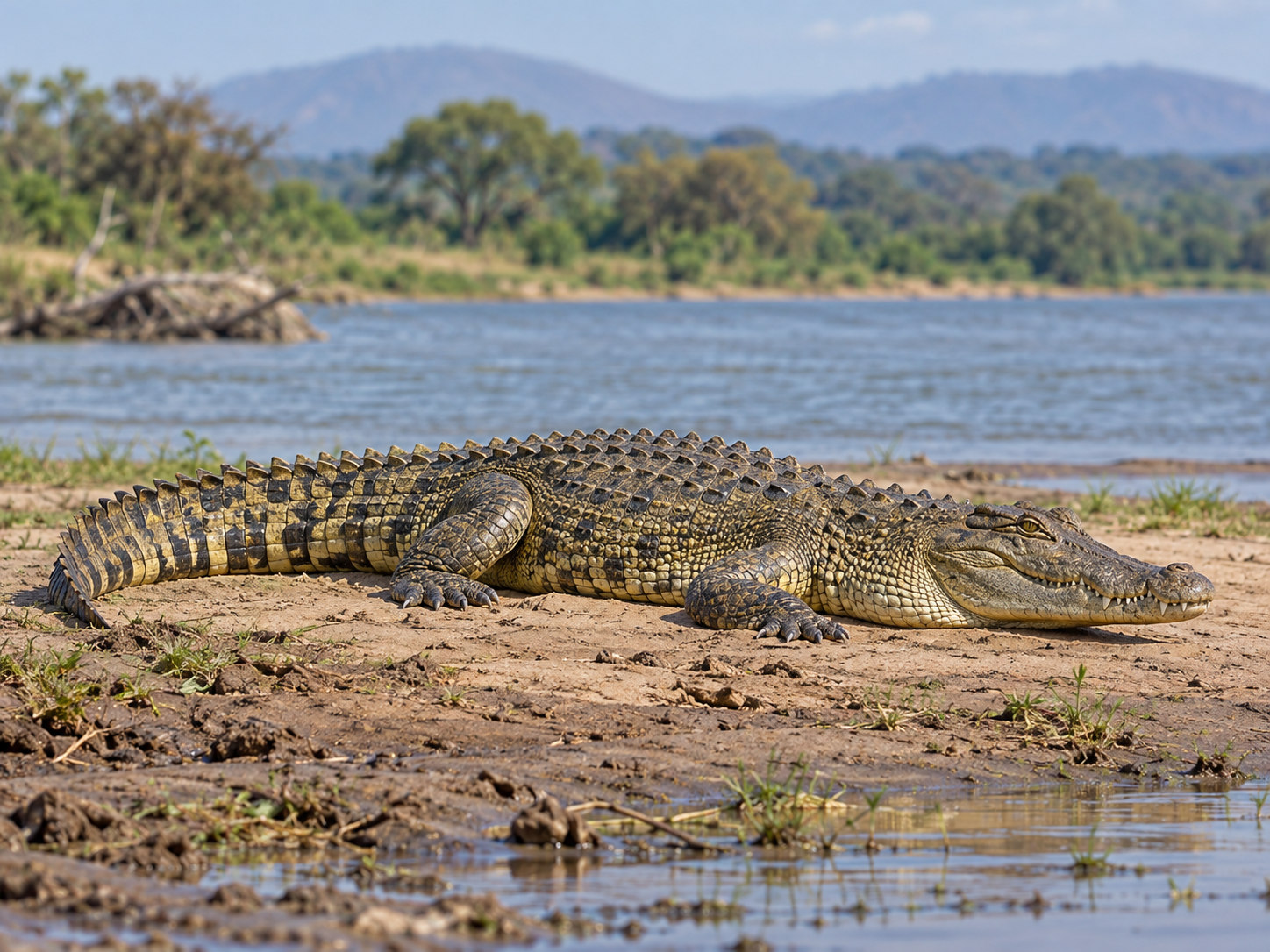
Crocodile
Kelp Forest
Kelp is a large seaweed that makes an underwater forest.
Habitat fact reference: NOAA Fisheries
-
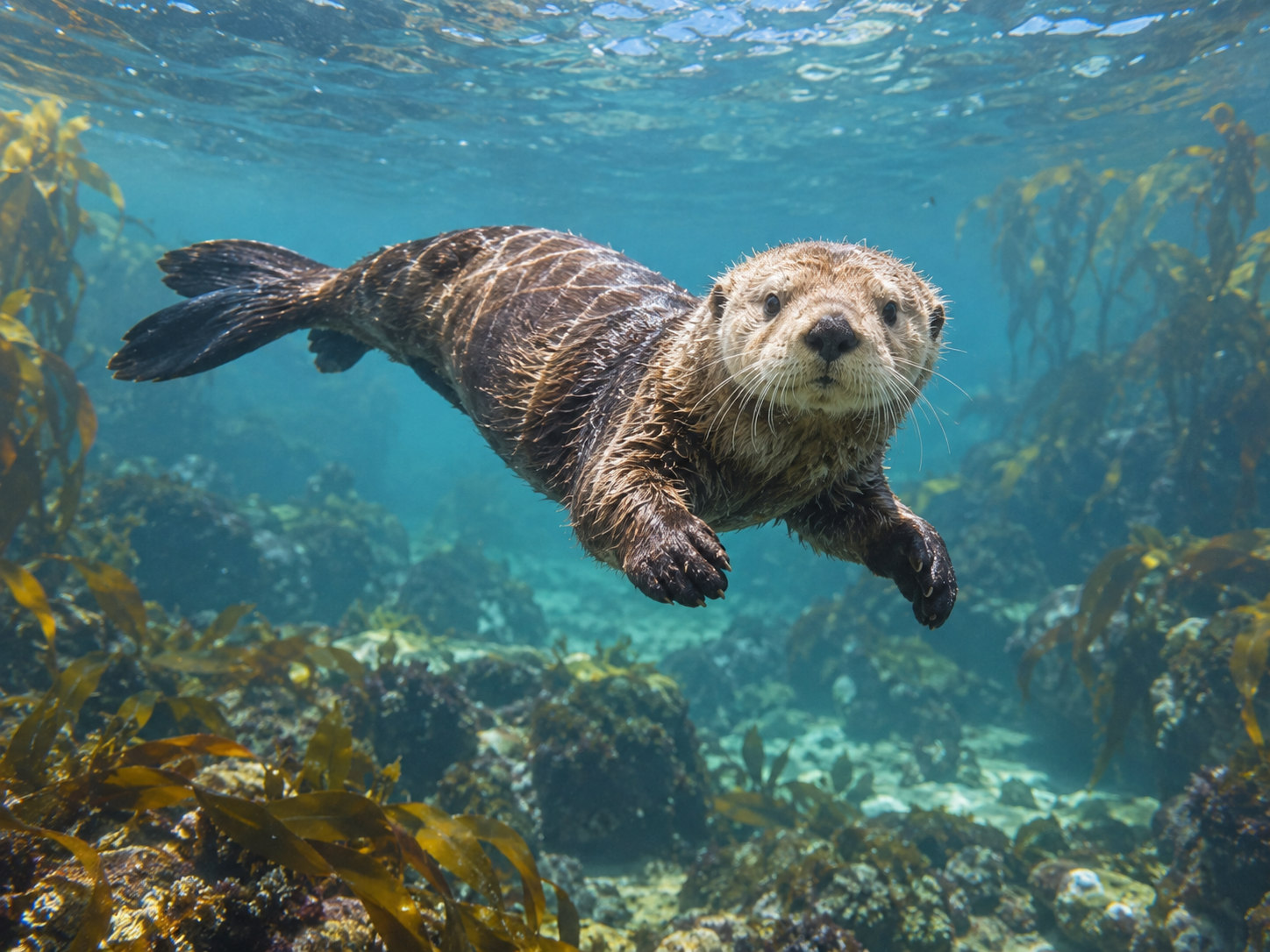
Sea otter
-
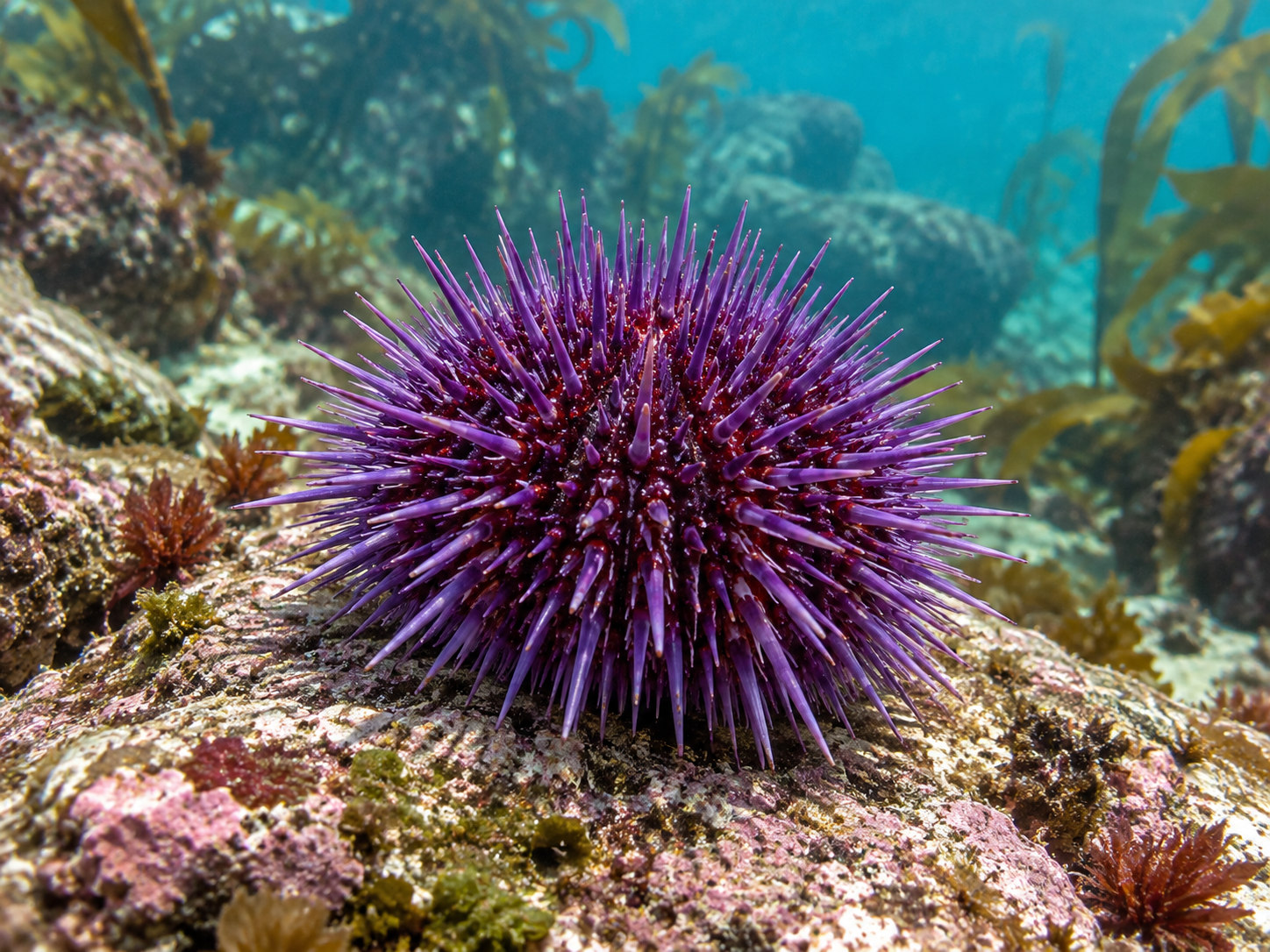
Sea urchin
-
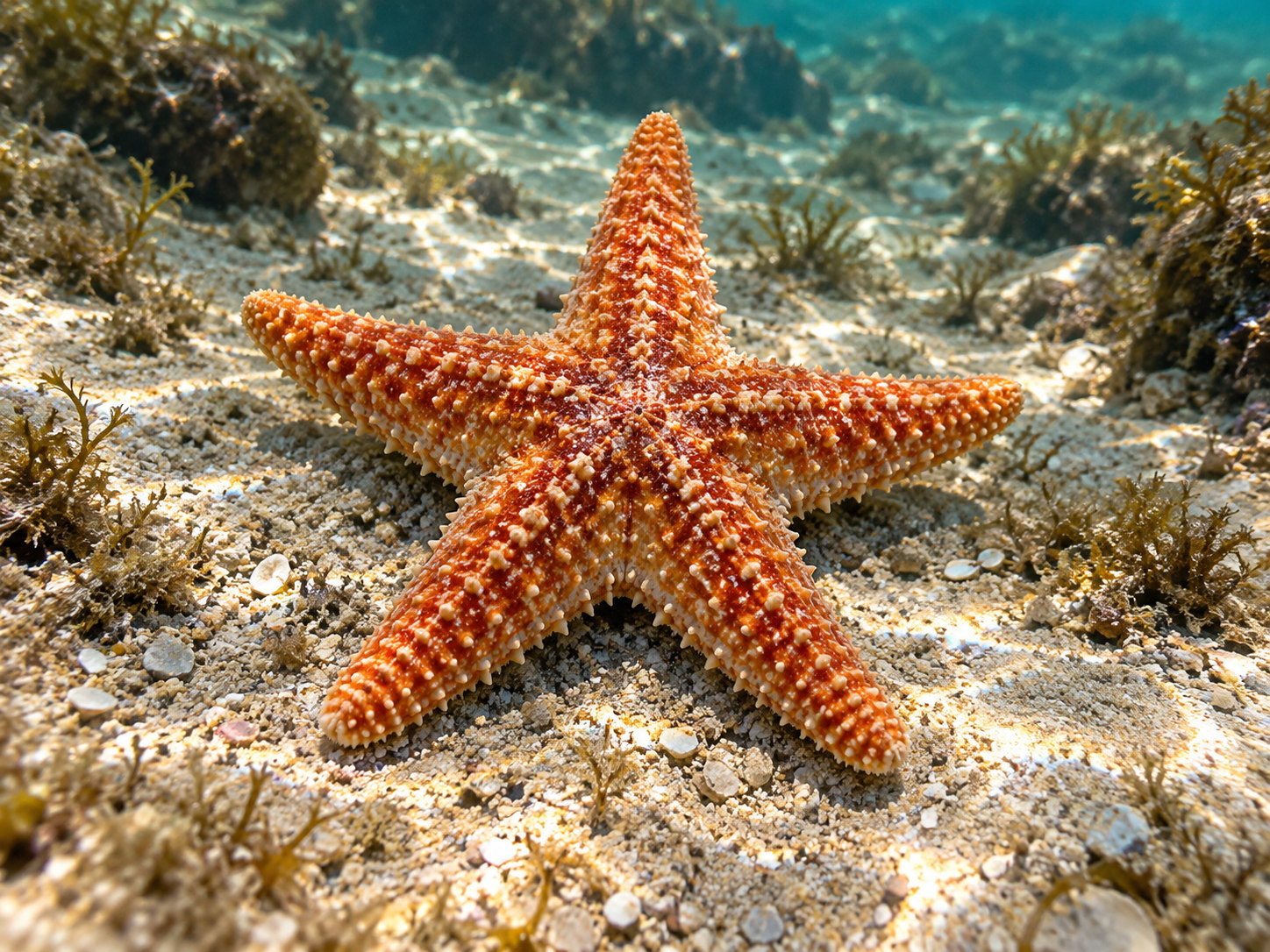
Starfish
Seagrass Meadow
Seagrasses are flowering plants that grow under shallow seawater.
Habitat fact reference: NOAA National Marine Sanctuaries
-
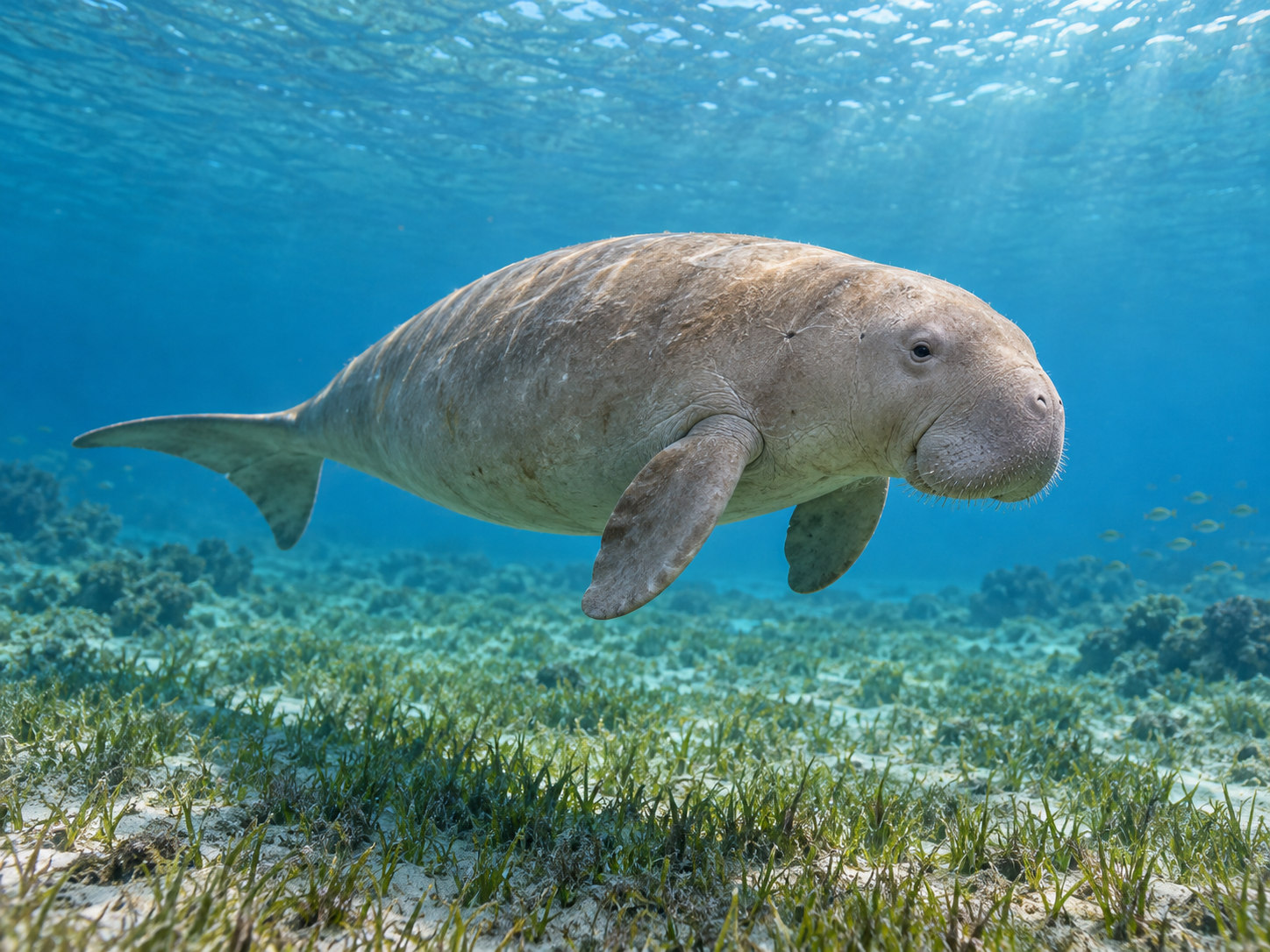
Dugong
-
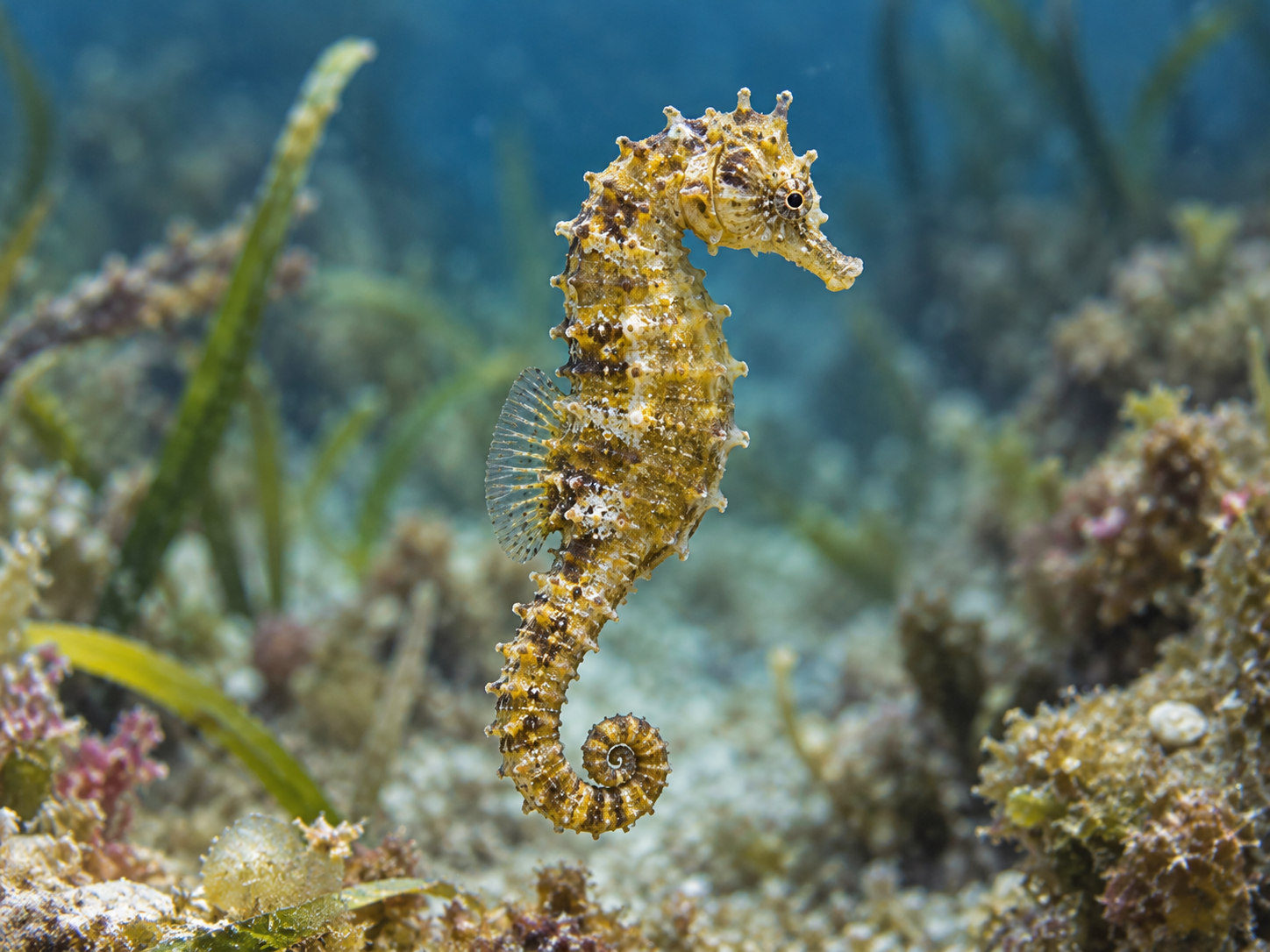
Seahorse
WHO WILL YOU FIND FIRST?
Take a little wander.
Explore Peekawild in your browser, with no account and no timer. Your next animal friend is waiting somewhere in the world.
Play Peekawild free